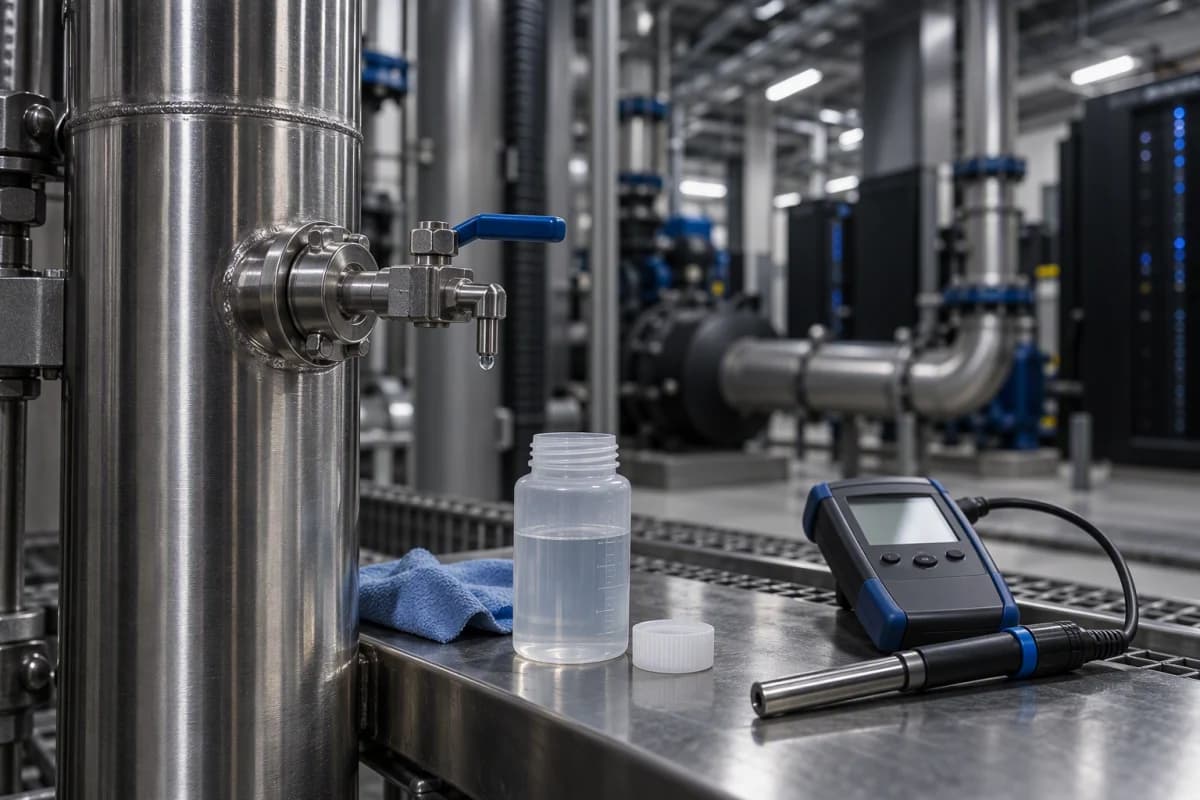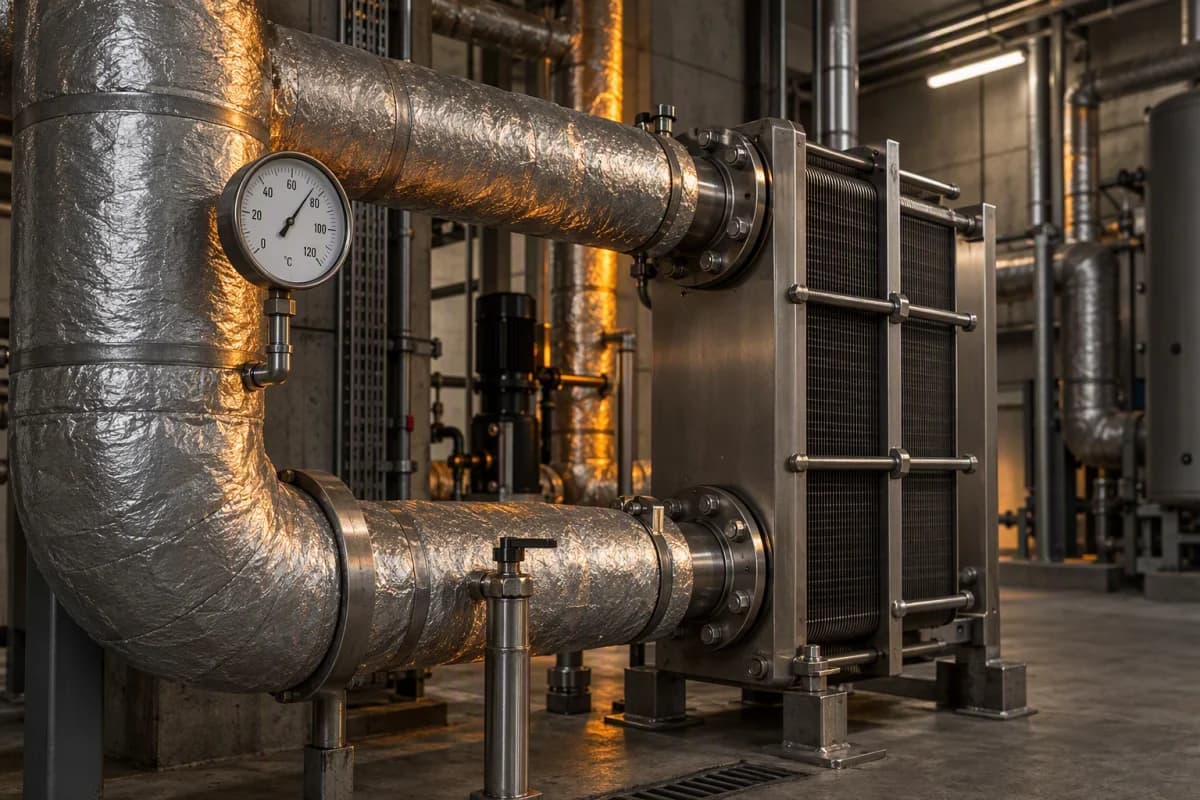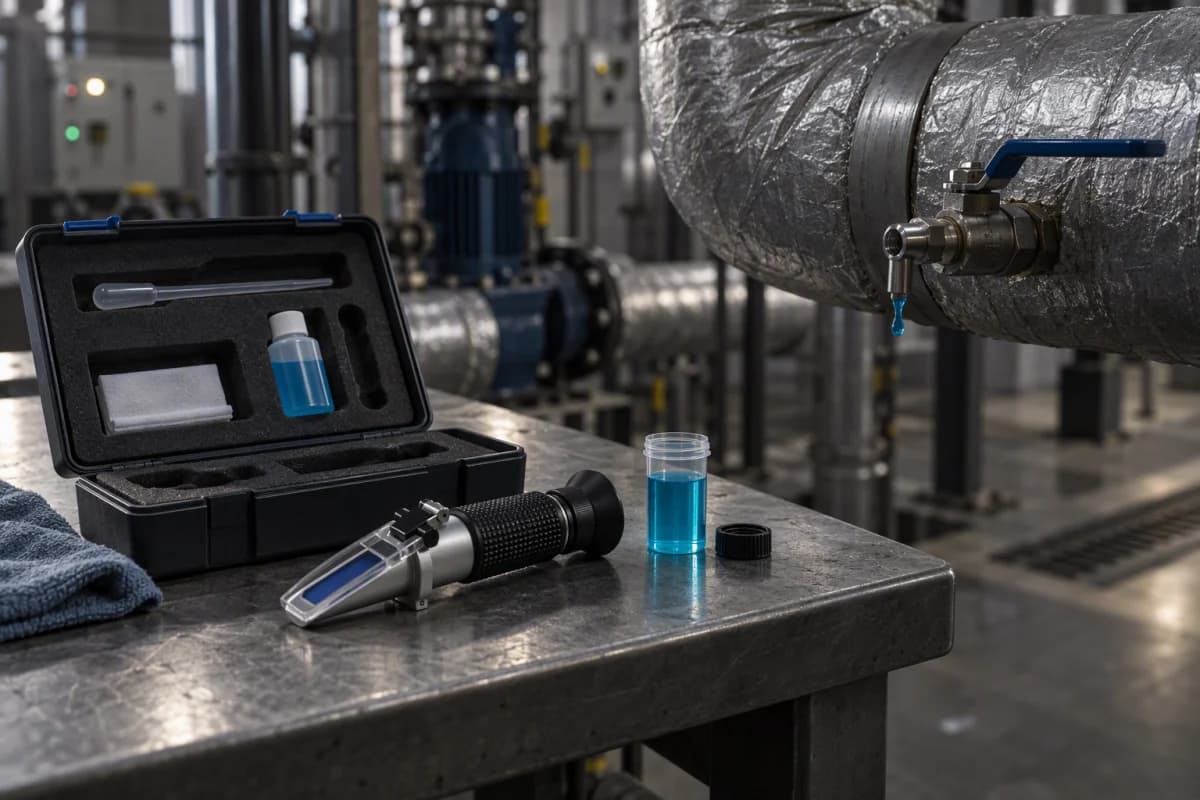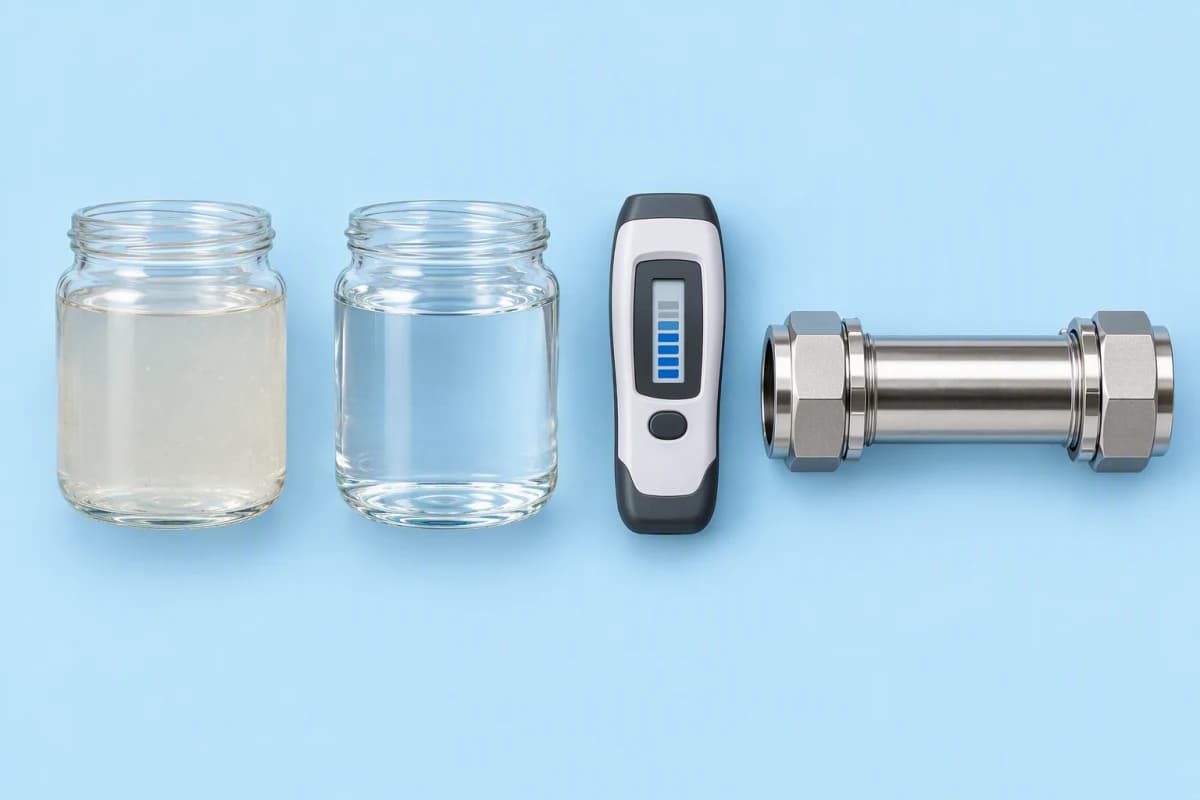
How to compare coolant quotes without comparing different products
A coolant quote is only comparable when the model, concentration, quantity, packaging, delivery basis and technical documents match. Use this checklist before choosing on price.
THE GLACIER JOURNAL
Ideas, explanations and practical questions for the people behind thermal systems.
FIELD NOTES / 01Understand primary refrigerants and secondary coolants, how their circuits differ, and what to check before specifying a Glacier heat transfer fluid.

A coolant quote is only comparable when the model, concentration, quantity, packaging, delivery basis and technical documents match. Use this checklist before choosing on price.

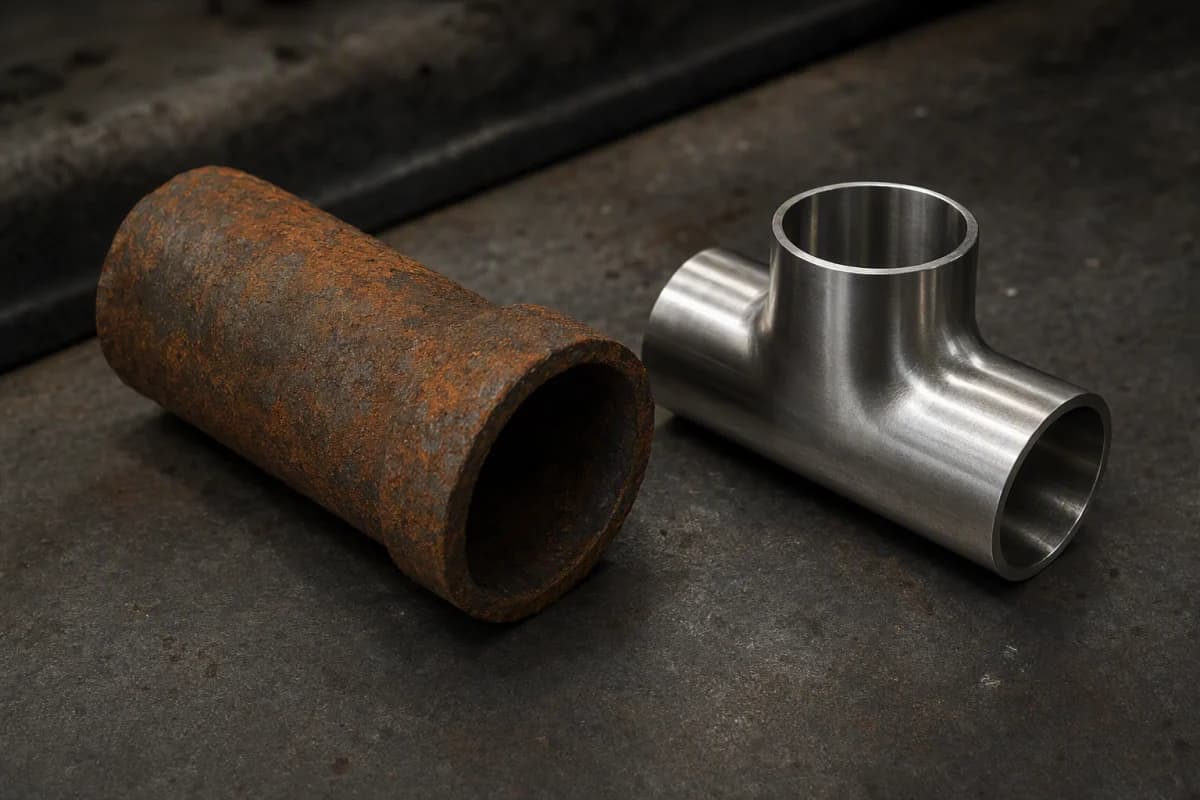
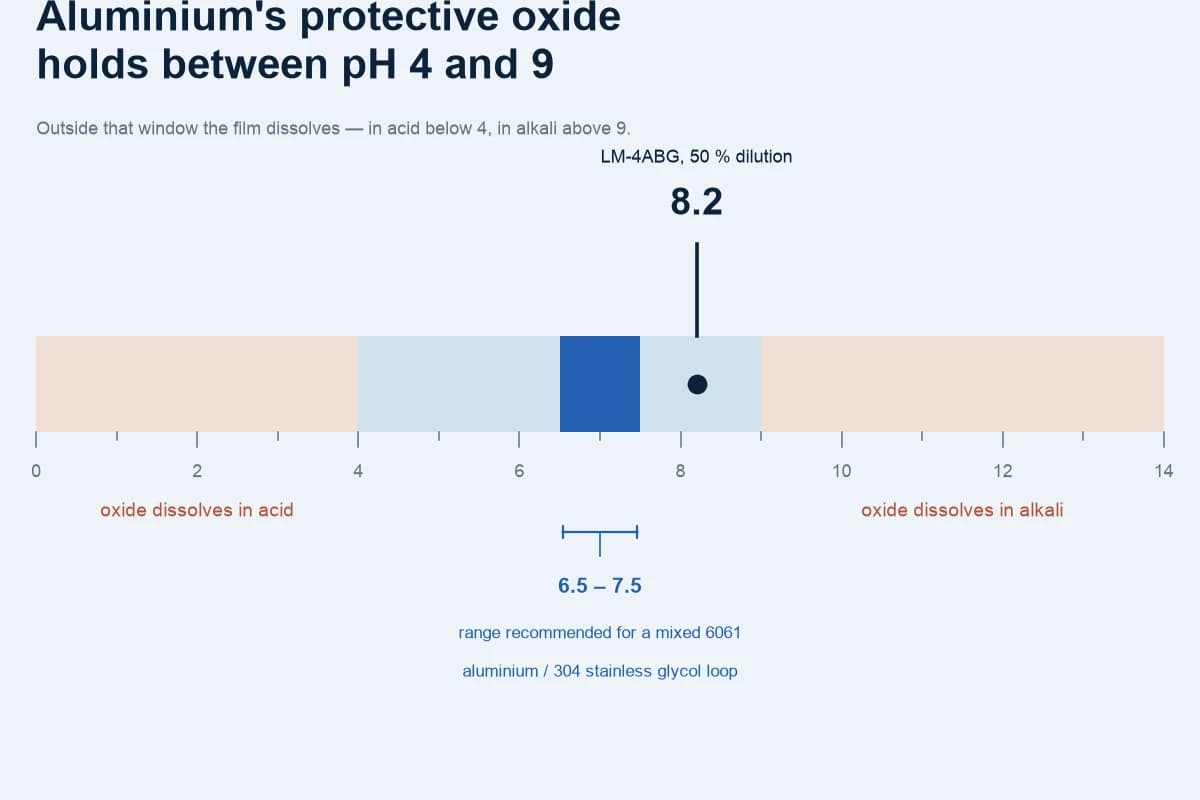
Aluminium's protective oxide is stable only between pH 4 and 9. What that means for choosing a secondary coolant, and why some model codes carry a trailing L.

Sizing a loop needs the cooling load, the fluid's specific heat and the temperature rise you allow. See how they relate, and why fluid choice barely moves it.

A data centre loop cannot be taken offline for a fluid check on a whim. See which parameters to trend, why conductivity leads, and what belongs in the plan.

Warm liquid cooling produces heat at a temperature worth recovering. See what that asks of the fluid, the loop architecture and the storage medium.

A retrofit is bounded by pipework, pumps and shutdown windows that already exist. See which constraint usually decides the outcome, and what to survey first.

A worked analysis of concentration, freezing point and viscosity in a glycol loop, with the pumping-energy penalty of over-concentrating expressed as a range.

In the Gulf the binding constraint on cooling is water, not air temperature. See why the three water routes cost what they do, and where a closed loop fits.

Moving rack power to 800 V DC changes more than the busbar. See why a higher system voltage tightens the fluid's conductivity requirement, and by how much.

Phase-change material is sized from the energy it must hold, divided by its latent heat. See how the arithmetic runs, and where the usable capacity is lost.

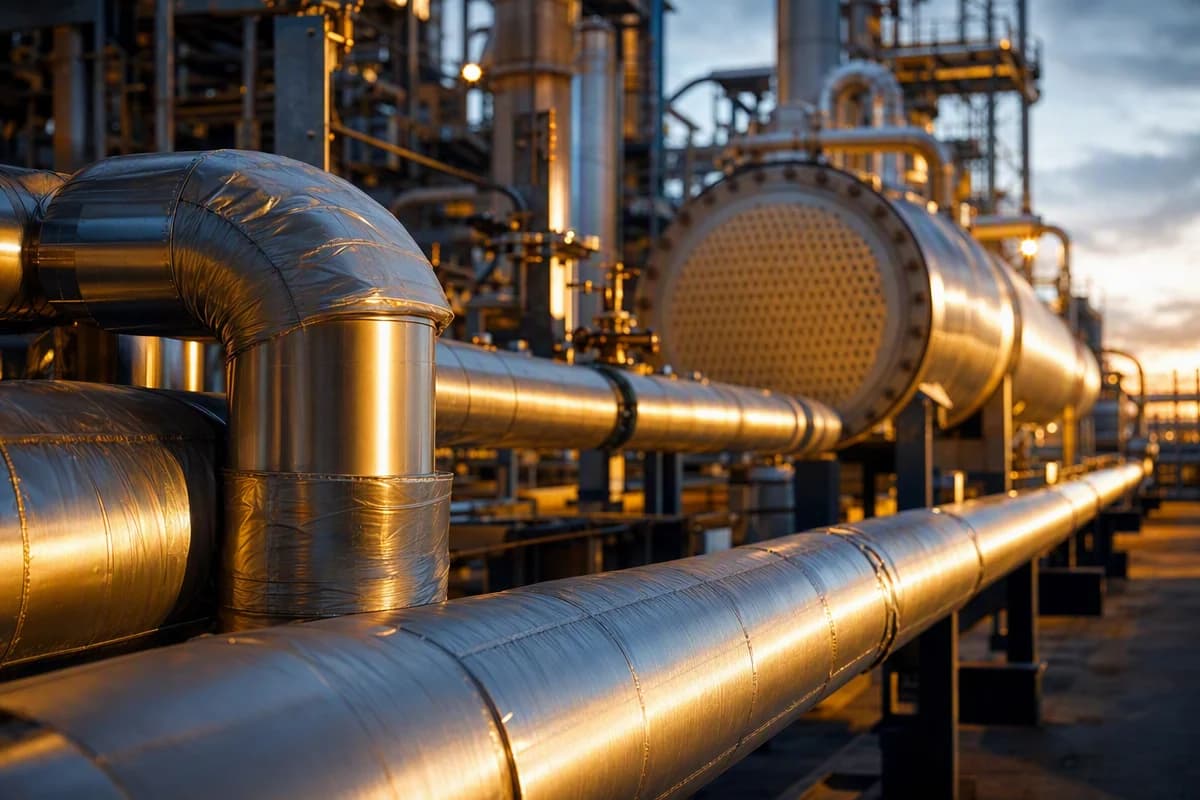
As HFC quotas shrink, plants move to ammonia, CO2 and flammable refrigerants. Those gases stay in the plant room, so a secondary coolant carries cooling out.

Warm-water cooling lets a facility reject heat without mechanical chillers. See what that shift does to the fluid, the loop and the materials in it.

Calcium chloride brine is efficient and severely corrosive. Compare it with modern secondary coolants at the same freezing point, and see how inhibitor programmes work.

Water becomes most of a diluted coolant charge. See what chloride, hardness and conductivity do to a loop, and how to specify make-up water before you fill.

Mixing is prohibited across most Glacier families for a reason. See what blending does to inhibitor packages and what a correct top-up looks like.

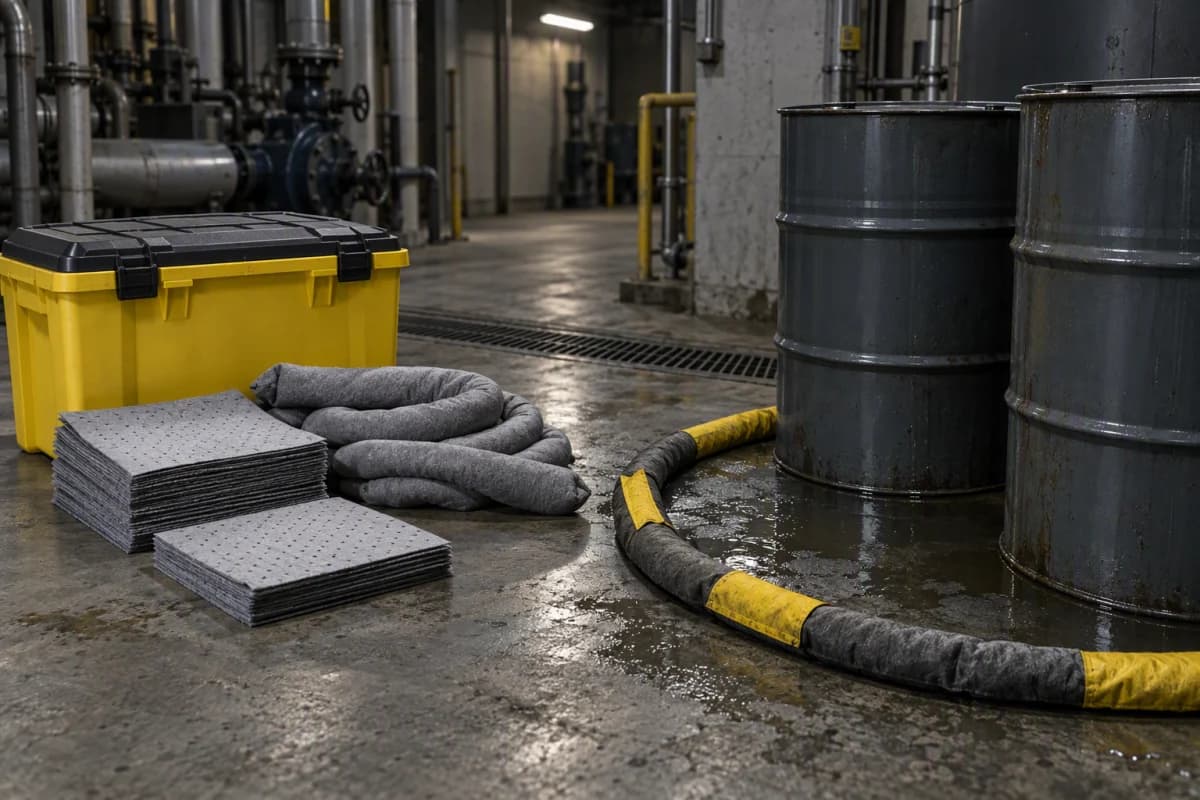
Not every heat transfer fluid responds to a spill the same way. See why one group is diluted with water and the other needs detergent, and what to check first.

Food-industry duty and food-contact approval are separate questions. See which coolant families suit food and agricultural duty, and what to confirm first.

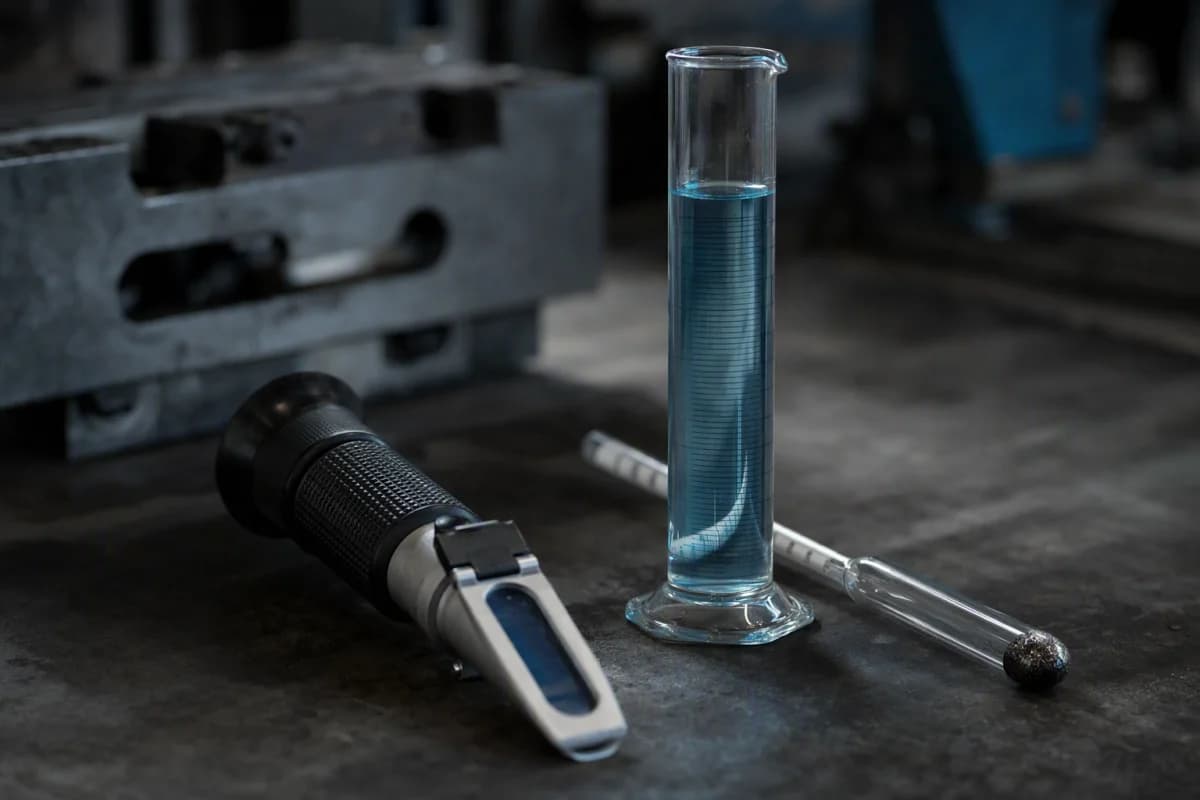
Adding water or concentrate without a target concentration is how loops drift out of protection. See how to set a target, read the curve, and correct a charge.

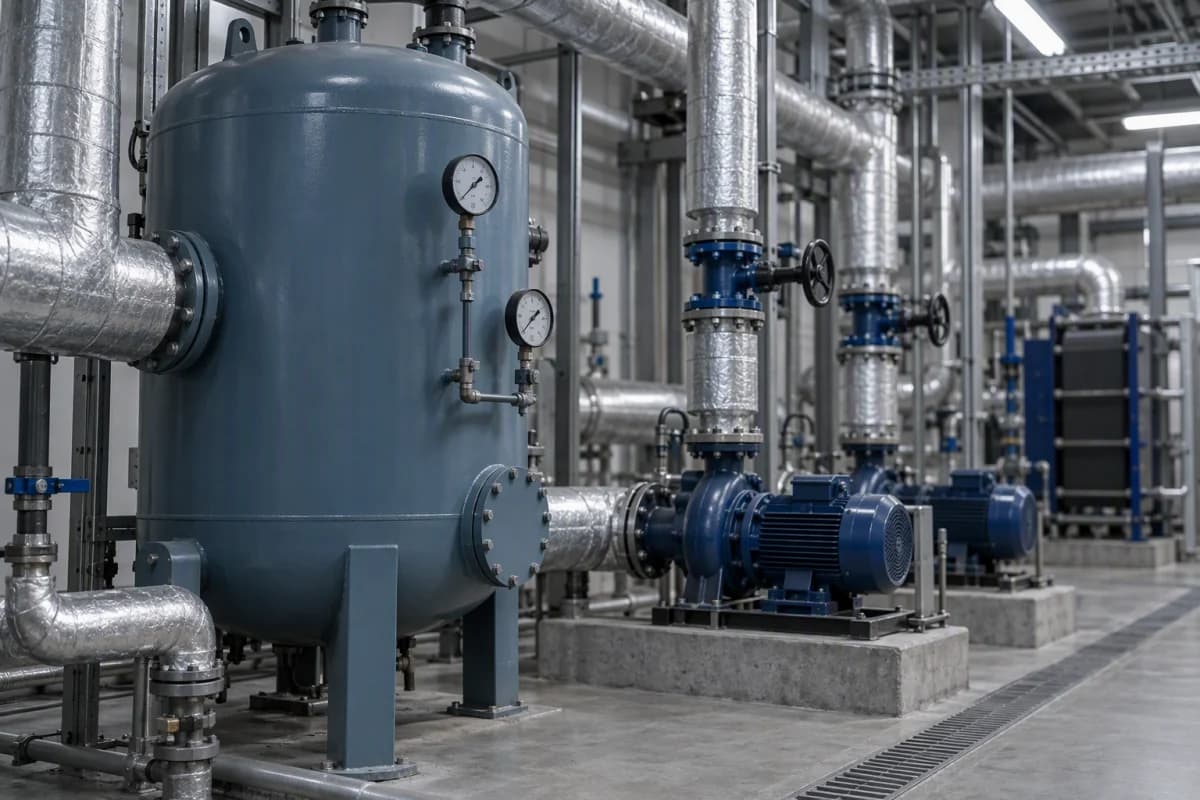
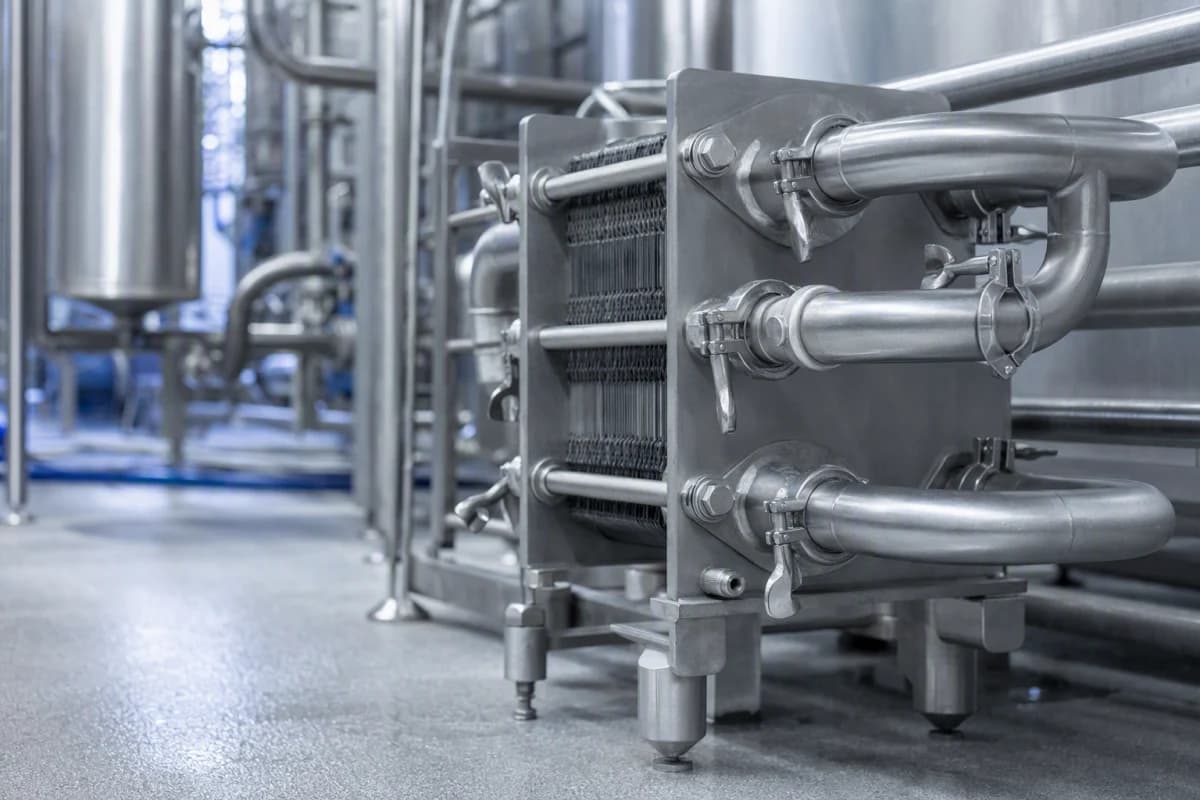
Cold storage loops are built around indirect secondary cooling. See how fluid choice, concentration and temperature drive pump sizing, materials and running cost.

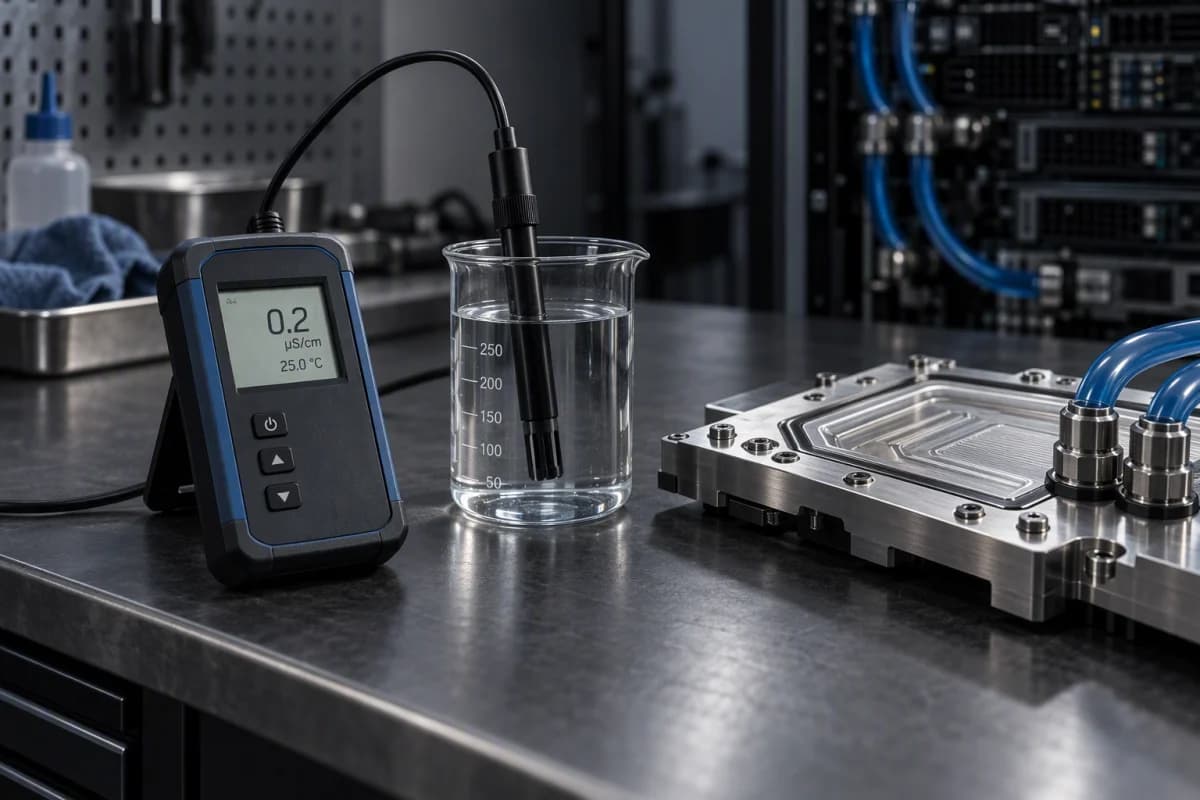
Conductivity in a data-centre loop is set by the additive package and the dilution water. See how a sub-1 µS/cm fluid is built and how to hold it there.

Anhydrous coolant families need a dry, closed loop, nitrogen protection and no mixing. What those three instructions mean — and what they do not specify.

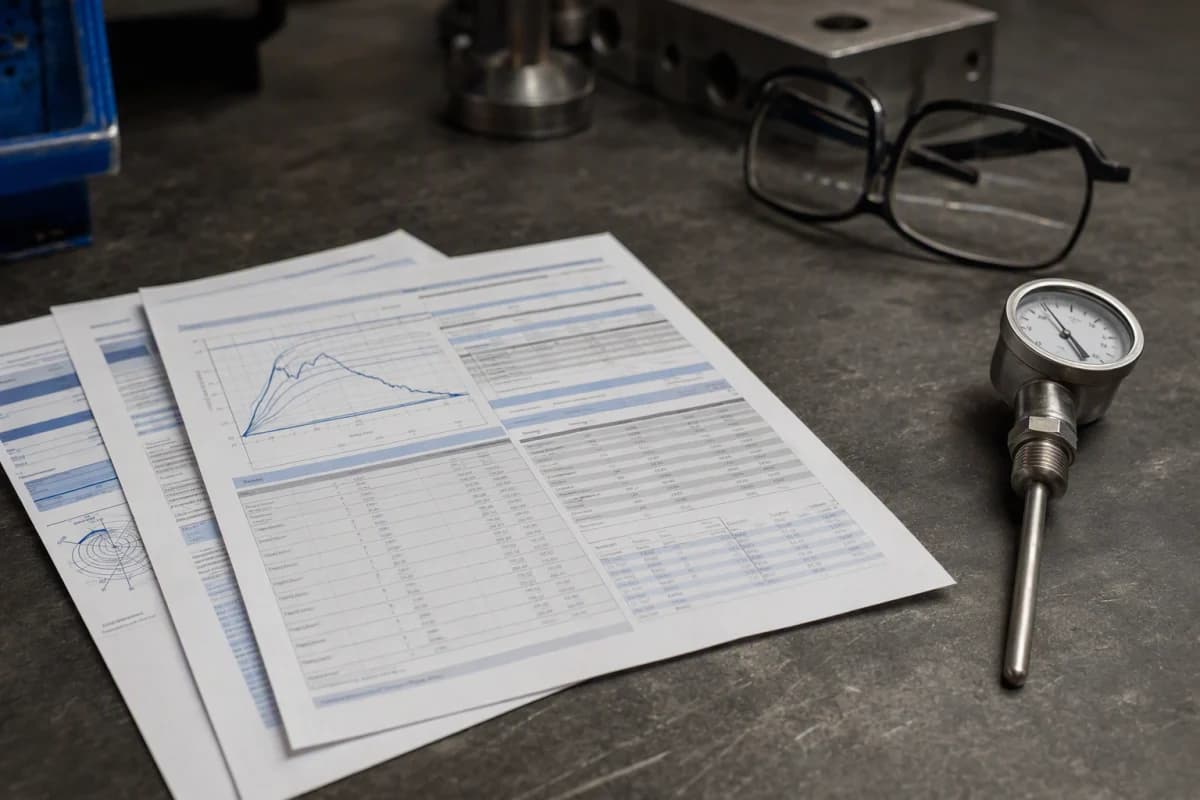
Measured weight-loss data from the Institute of Metals shows how these fluids perform against glycol. See what it covers and how to specify with it.

A single viscosity or heat-capacity figure rarely describes your system. Learn what reference values mean, how concentration and temperature move them, and what to request instead.

Industrial heat pumps are commercialised to about 200 °C. For processes above that, thermal oils and silicone fluids are still the default heat transfer route.

Changing a secondary coolant or thermal fluid is more than draining and refilling. Confirm compatibility, the cleaning method and the first monitoring window.

Published condemning limits for heat transfer fluids contradict each other. Learn how to read the trend, not the threshold, before deciding to change a charge.

Brine inhibitors, cooling-water treatment and alcohol-coolant additives follow different schedules. See what applies to each and what to confirm first.

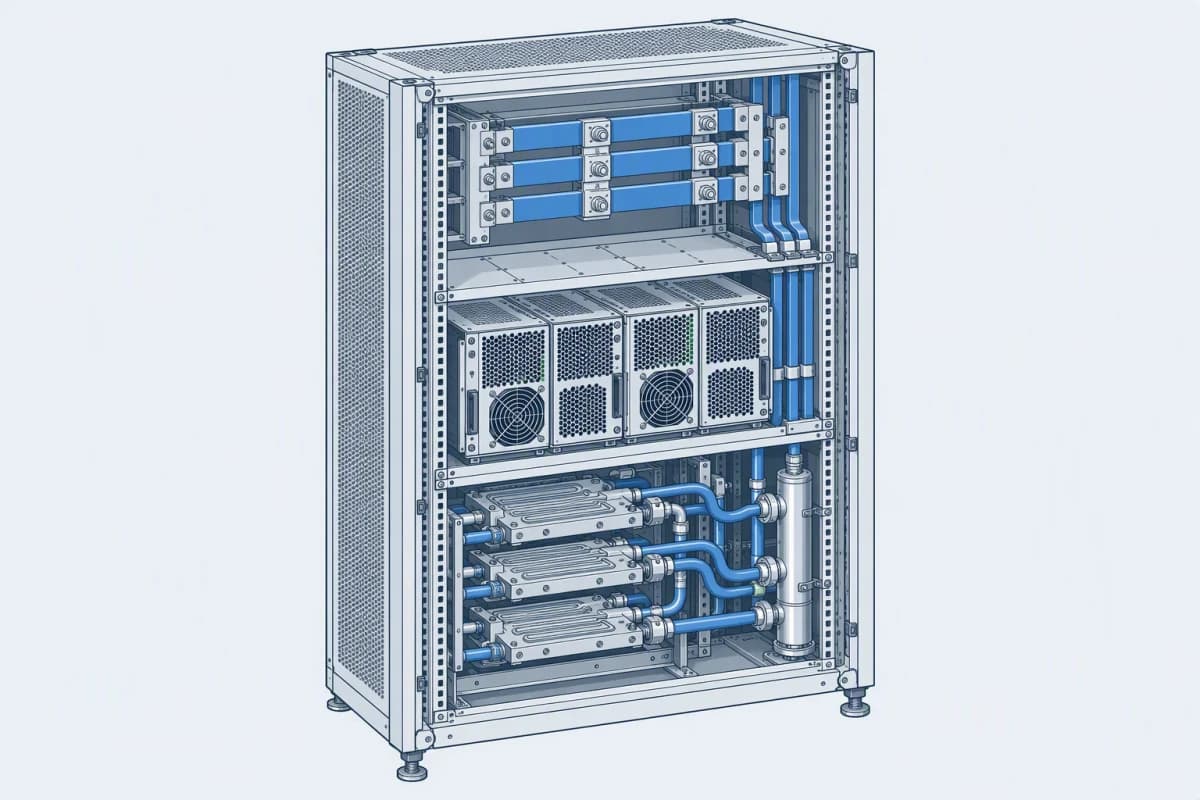
Direct-to-chip liquid cooling puts conductivity, materials and monitoring into the fluid specification. See which checks decide a data-centre coolant.

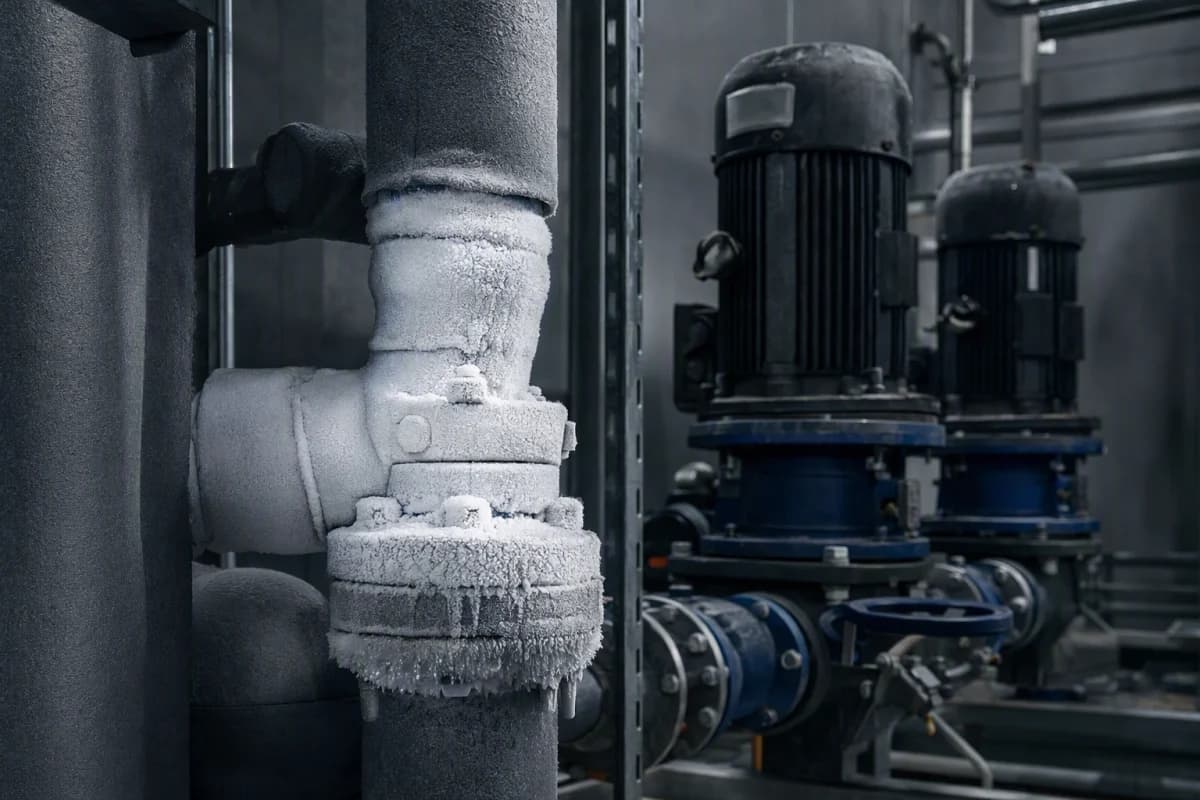
Freeze protection and burst protection require different glycol concentrations. Learn the difference, and what to check before a cold weekend arrives.

A dielectric fluid's datasheet leads with breakdown voltage, but pour point, viscosity, flash point and material compatibility are the properties that decide whether it works.

Separate indirect-loop, fluorinated and immersion fluid requirements for electronics cooling. Learn what to confirm before shortlisting LM-4, LM-14 or LM-17.

The EU PFAS restriction sets out specific provisions for heat transfer fluids. See the timeline, the named uses, and what to verify before specifying a coolant.

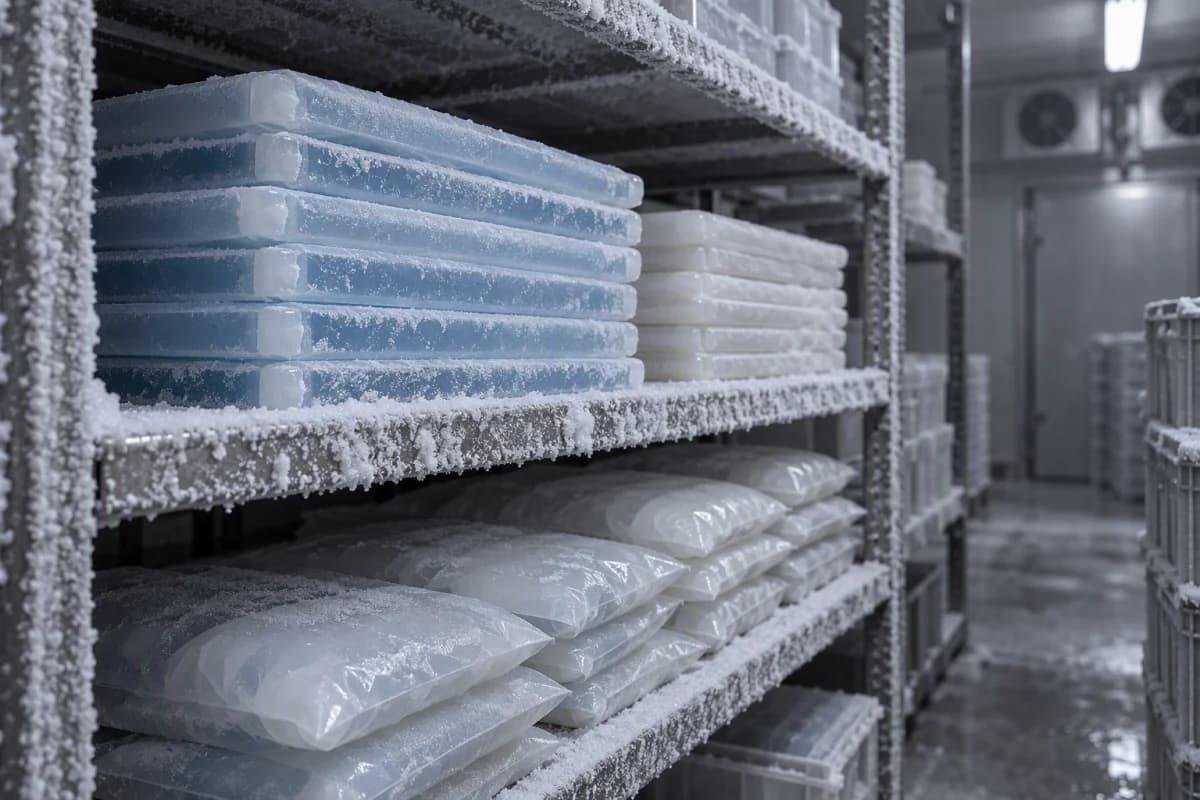
Learn how to specify cold-chain phase-change materials using temperature targets, freezing and melting behaviour, containment and model-specific evidence.

Phase-change materials are specified by a transition temperature, not a working setpoint. See how the grades differ and what to verify first.

Low-temperature secondary coolants differ only slightly in volumetric heat capacity, yet their pumping demand can differ by an order of magnitude.

Understand primary refrigerants and secondary coolants, how their circuits differ, and what to check before specifying a Glacier heat transfer fluid.

Compare Glacier LM-4 and LM-8 coolant families by chemistry, model selection, materials and documentation—not generic performance or safety assumptions.