Secondary coolant vs refrigerant: know which circuit you are specifying
Understand primary refrigerants and secondary coolants, how their circuits differ, and what to check before specifying a Glacier heat transfer fluid.
THE SHORT ANSWER
What you need to know.
A secondary coolant carries heat through a separate circulation loop; it is not automatically a substitute for the refrigerant in a compressor circuit. In an indirect-cooling arrangement, the two fluids exchange heat without being interchangeable products.
- Identify the circuit and system architecture before selecting a chemical family.
- An operating-temperature range is specific to a model, concentration and approved system.
- Ask for a current TDS and SDS rather than relying on the word refrigerant in a product description.
Start with the circuit, not the product name
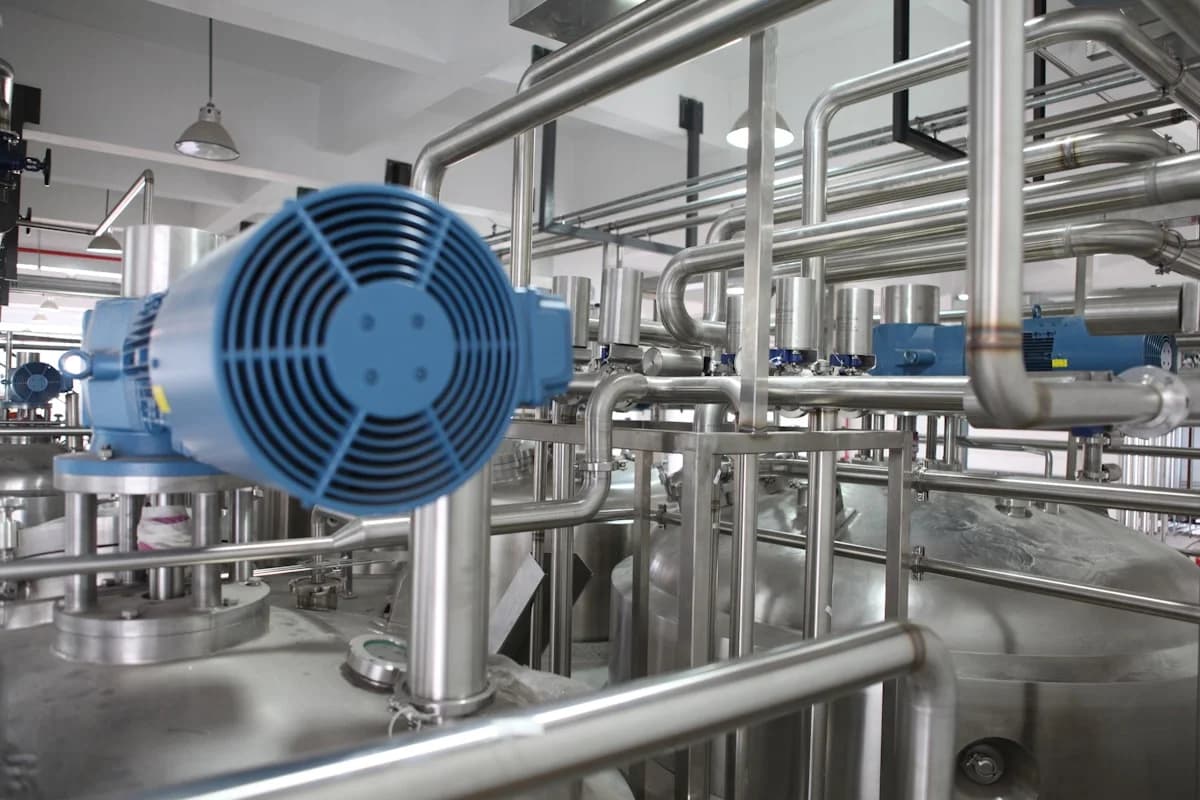
The words coolant, refrigerant and heat transfer fluid can appear close together in purchasing conversations. Ask where the fluid will go and what it must do there. The product range covers secondary refrigeration and heat transfer, alongside specialised electronic coolants, additives and phase-change materials.
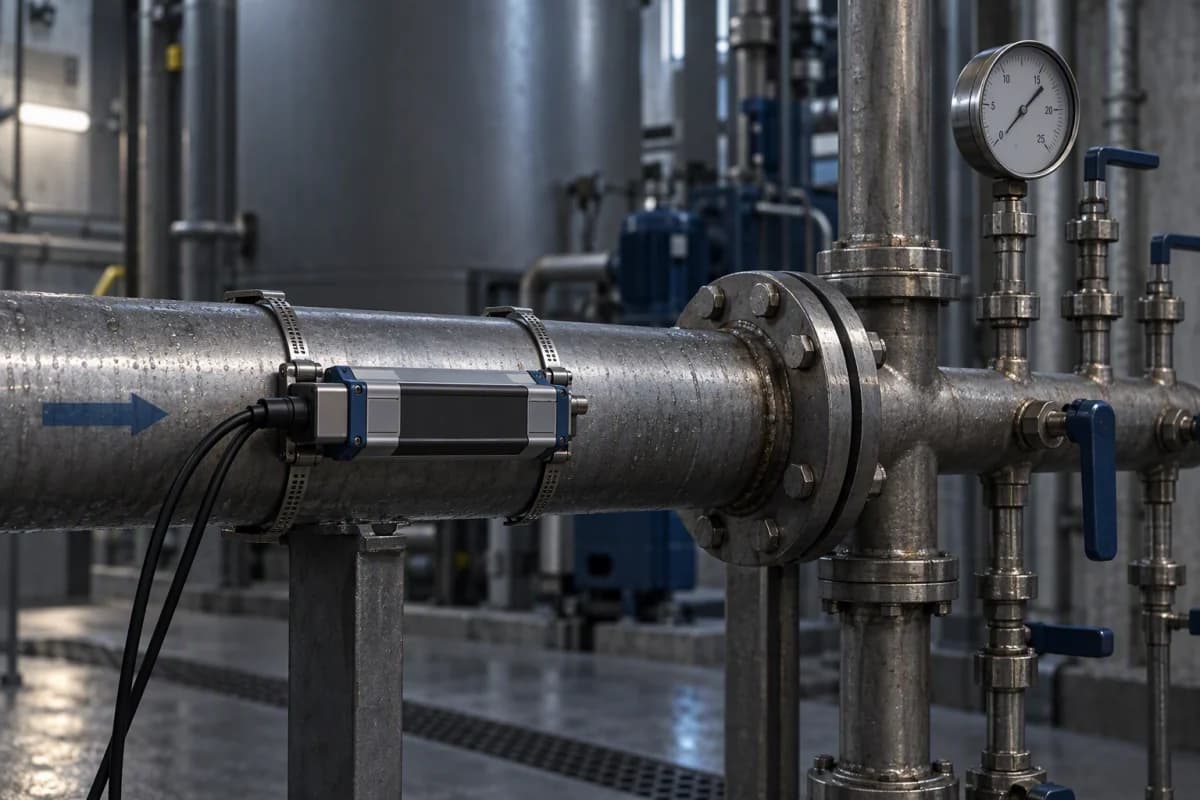
In an indirect-cooling arrangement, the primary refrigeration system removes heat from a separate secondary loop through a heat exchanger. That secondary loop circulates to the process or equipment being cooled. The fluid selected for this circulation duty must be assessed against the conditions in that loop, not merely against the name of the refrigeration equipment.
For a practical starting point, share a system diagram with the supplier. Mark the process side, the heat exchanger, the circulating loop and any direct contact with electronics or product. This prevents a discussion about chemical composition from getting ahead of the application.
What should the specification describe?
| Question | Why it matters to selection |
|---|---|
| Which circuit will contain the fluid? | Distinguishes secondary circulation from the primary refrigerant circuit. |
| What are the startup and normal operating temperatures? | Helps identify an appropriate model rather than a family-wide envelope. |
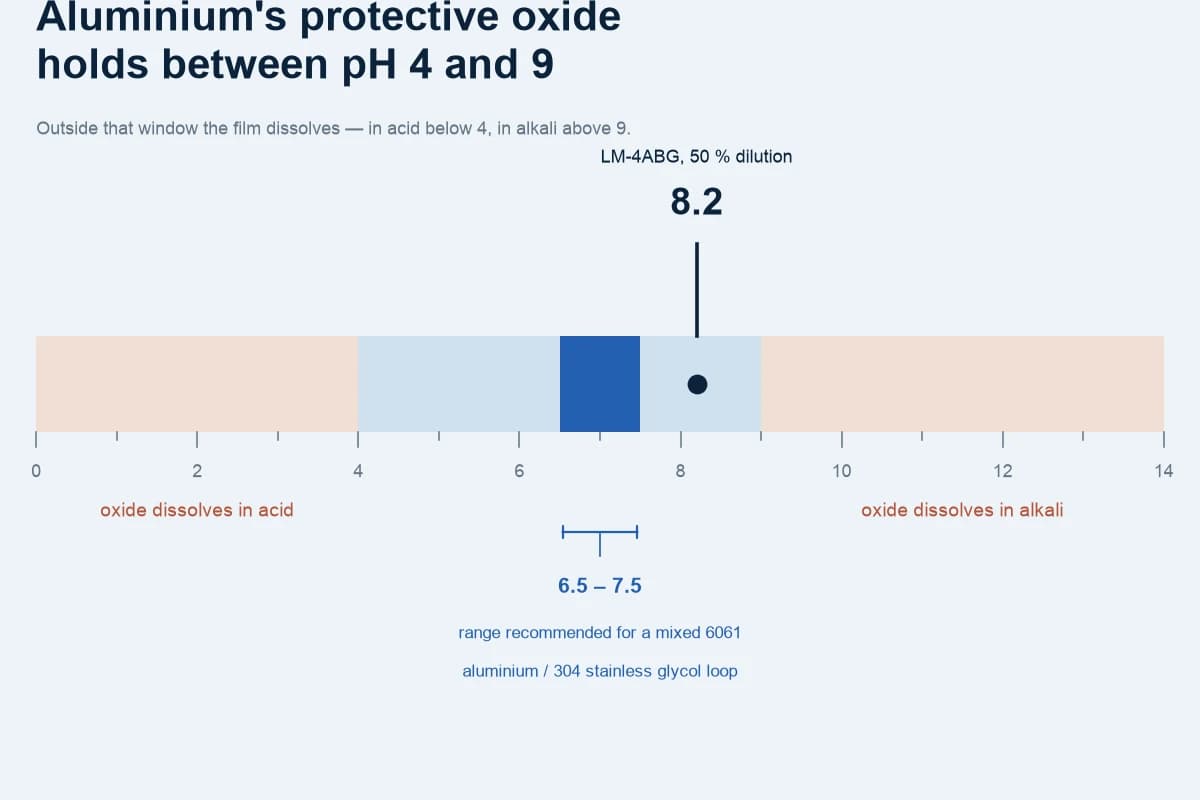
| Which metals, seals and hoses are wetted? | Material compatibility is not established by the family name alone. |
| Is water permitted? | Water-dilutable and anhydrous fluids have different requirements. |
| Is electrical insulation required? | An indirect loop and immersion cooling cannot share an assumed specification. |
Use this information to create a shortlist, then request the technical data sheet for the exact model. Reference data informs that conversation.
One family can include different duties
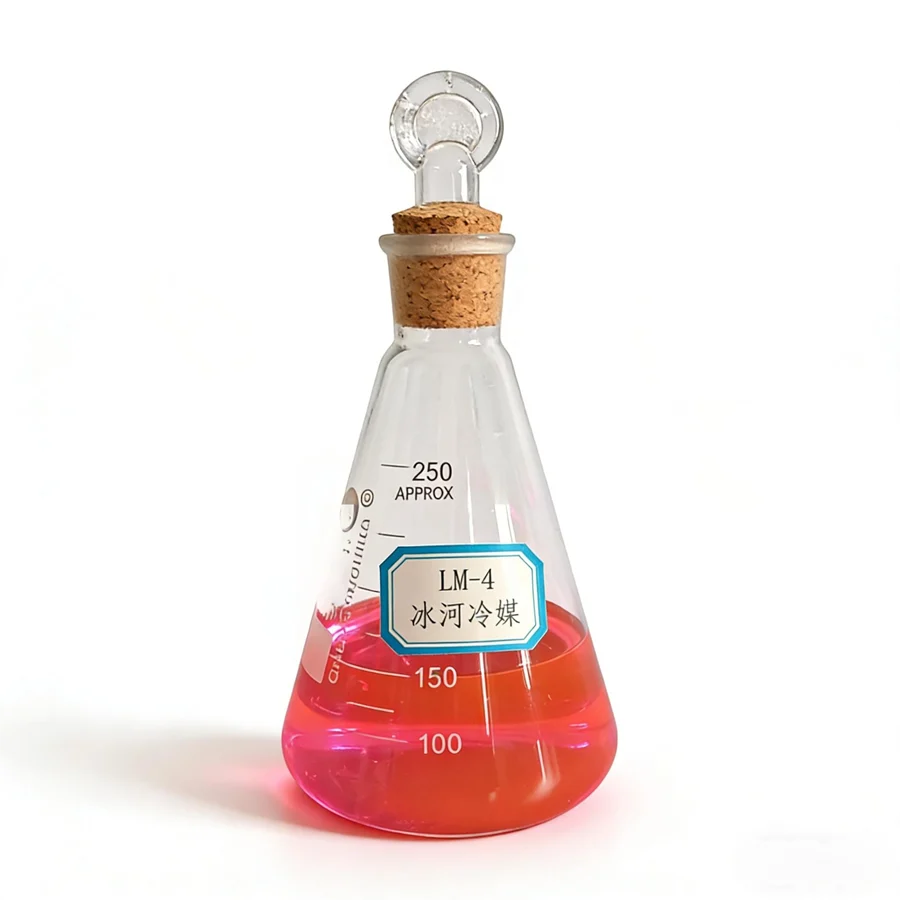
The LM-4 family is a useful example. The product references distinguish standard circulation, aluminium-compatible variants, elevated-temperature variants and low-conductivity applications. These distinctions matter even though the products share a family name.
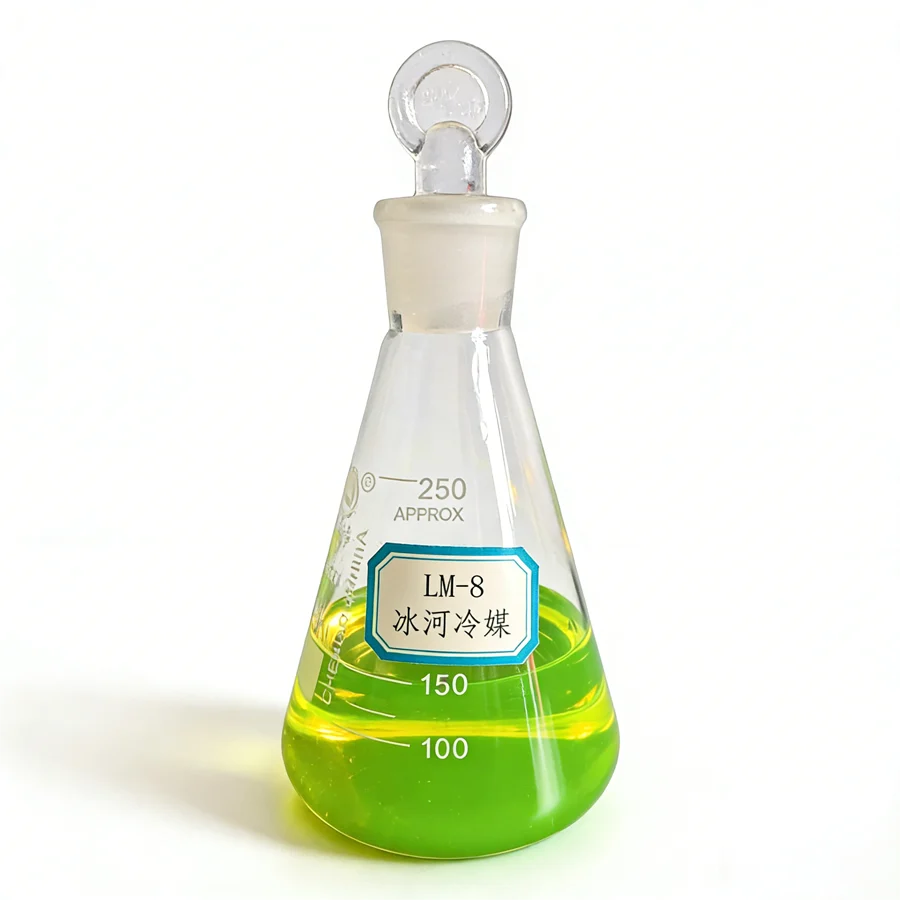
Do not take the widest range displayed on a family page and apply it to any bottle bearing the prefix. Likewise, a statement about one variant’s compatible metals or electrical properties must not be transferred to the whole family. The label on the sample photograph identifies the pictured sample, not every formulation in the portfolio.
Separate selection from changeover
Identifying a candidate does not settle how an existing system should be refilled. Record the current fluid, concentration, maintenance history and any evidence of contamination. Some families call for dry systems and prohibit unapproved mixing; others have defined dilution or additive programmes.
The safe next step is a documented changeover discussion, not an improvised blend. Ask which cleaning, drying, water-quality and monitoring requirements apply to the proposed product. Request both the TDS and SDS and have the equipment and site requirements reviewed before implementation.
Prepare a useful enquiry
Send the technical team the circuit diagram, temperature window, wetted-material list, system volume, current fluid and destination market. If a purchase is planned, include the expected quantity and packaging requirements.
The six-question selection guide turns these details into an enquiry checklist. For chemical or pharmaceutical duties, the industrial-process route provides the relevant starting families. Neither page replaces a model-specific technical review.
QUICK CLARIFICATIONS
Common questions.
Can an LM secondary coolant replace the gas in a compressor system?
No. A secondary-loop fluid must not be substituted into the compressor refrigerant circuit without an explicitly approved system design.
Does a colder freezing point prove that a coolant fits my system?
No. The operating window, viscosity, material compatibility, concentration, safety conditions and equipment requirements also need to be confirmed.
CHECK THE SOURCE
References & scope.
- Glacier LM catalogue — flowchart of the refrigeration system, printed page 39
- Glacier LM catalogue — system context and product-selection references
- LM-4 product references and catalogue page attribution
Obtain the relevant TDS, SDS and technical approval before use.
How we prepare our content