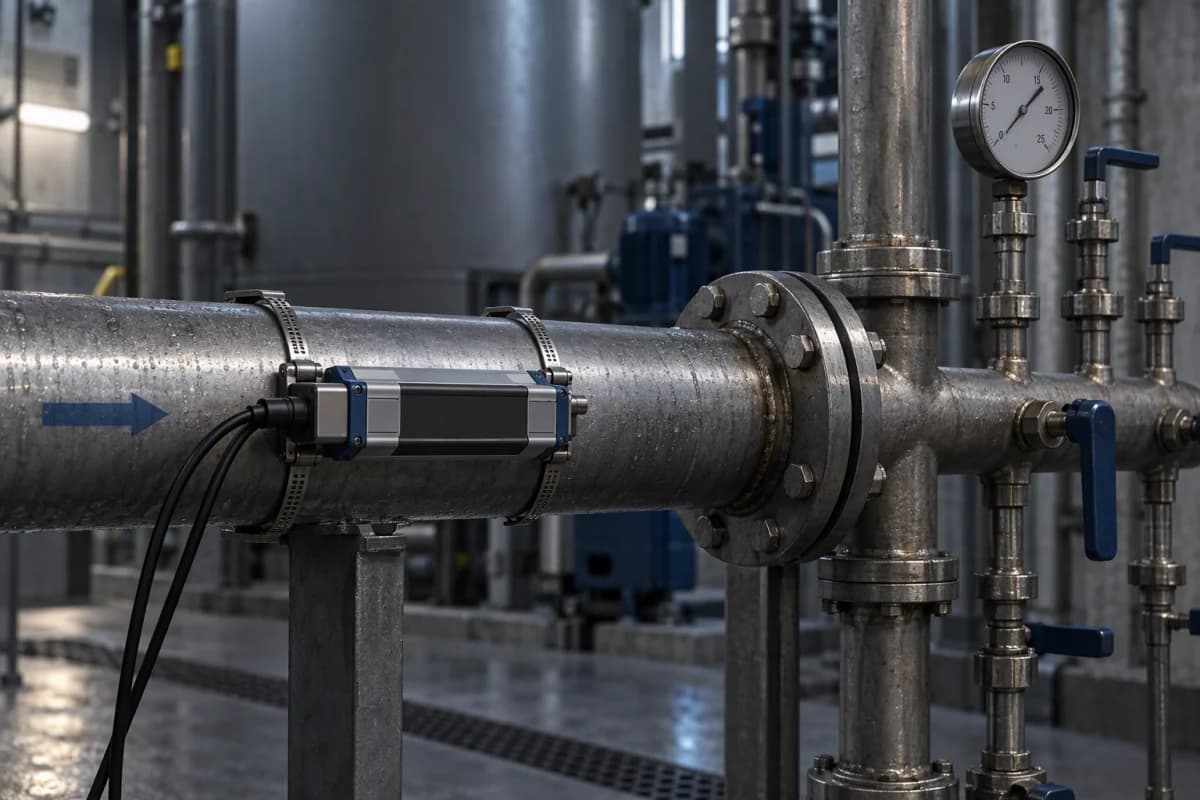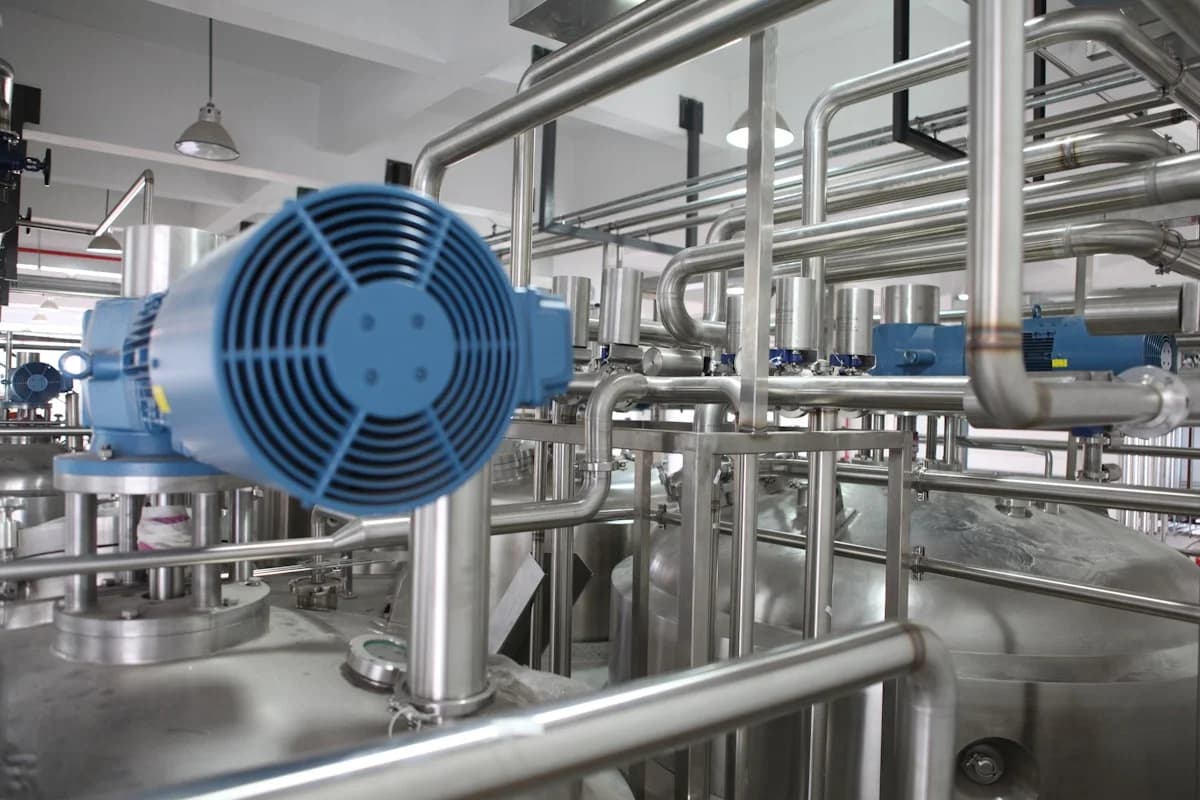
Steel pipework, pumps and a plate heat exchanger in an industrial process cooling plant

SOLUTION 01 / INDUSTRIAL & PHARMACEUTICAL

Precision for every part of your process.

From low-temperature secondary refrigeration to high-temperature process heating. Match the thermal fluid to the temperature window, equipment and materials that matter.

Discuss your application
APPLICATION PHOTOGRAPHY / ILLUSTRATIVE

YOUR PROCESS, CONSIDERED

Different duties.
Distinct fluid requirements.

01

Pharmaceutical manufacturing

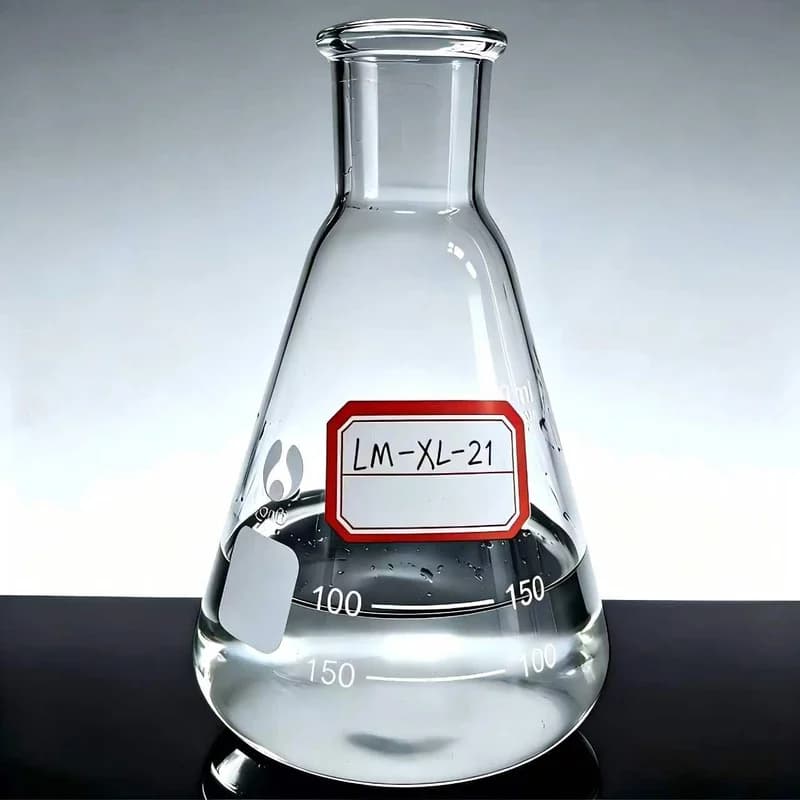
API synthesis and sterile process cooling cross a wide temperature window in one circuit. LM-4-BP is formulated with pure organic additives and no inorganic salt for pharmaceutical duty, and the pharmaceutical project records show brine-and-steam systems replaced by a single thermal fluid.
02

Low-temperature processing

Alcohol, salt and anhydrous fluid families for indirect refrigeration. Compare low-temperature viscosity alongside freeze protection.

03

Heating and cooling

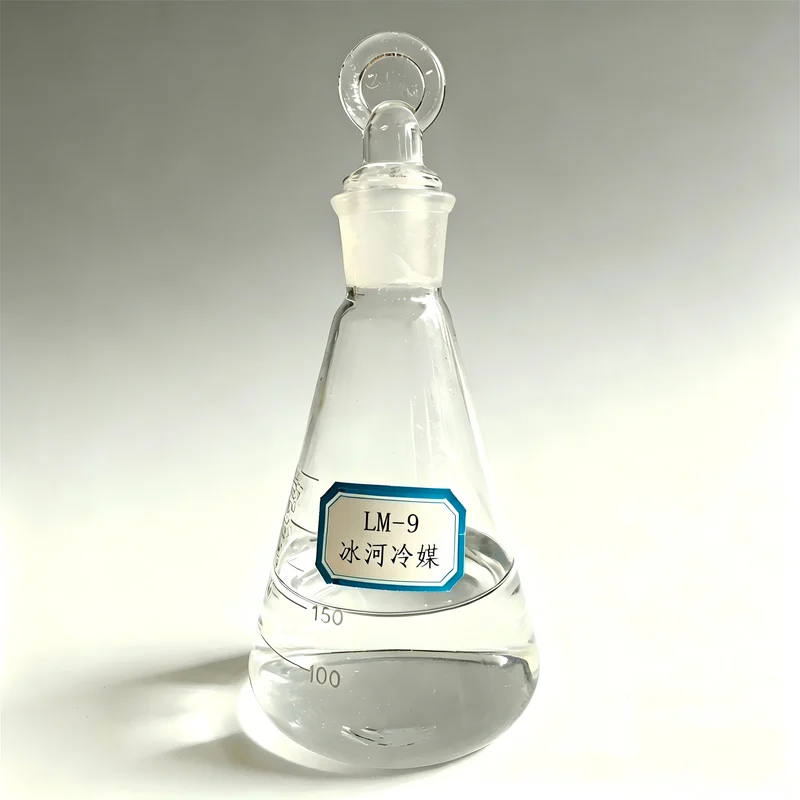
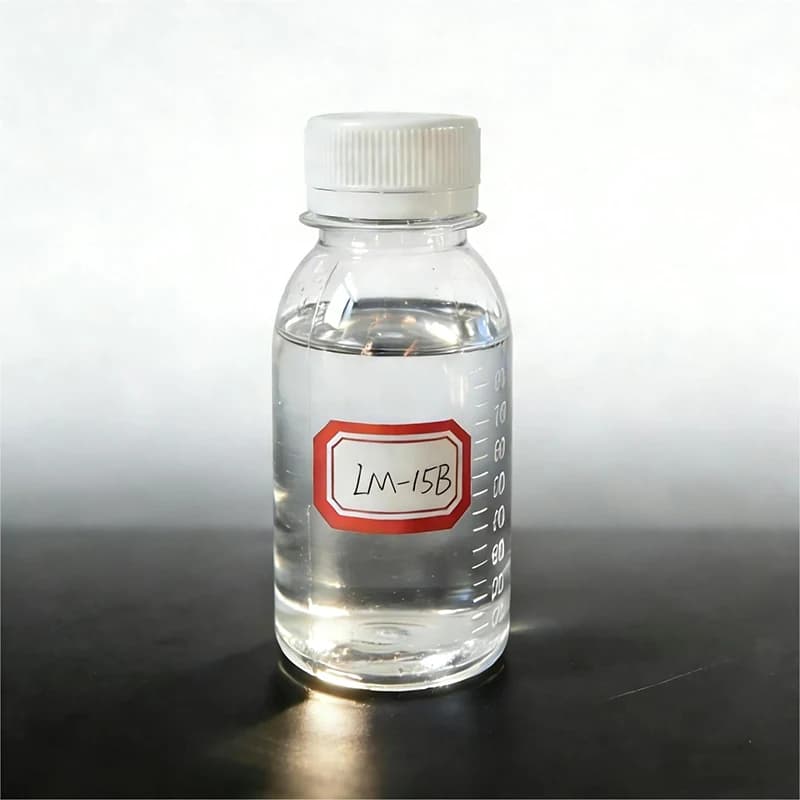
LM-9, LM-11 and LM-15 are described as bidirectional heat transfer fluids. LM-7 is presented as a low-temperature secondary refrigerant whose catalogue range extends to +150°C.

04

Water-sensitive systems

Anhydrous hydrocarbon and silicone formulations for processes where moisture must be controlled.

05

High-temperature duty

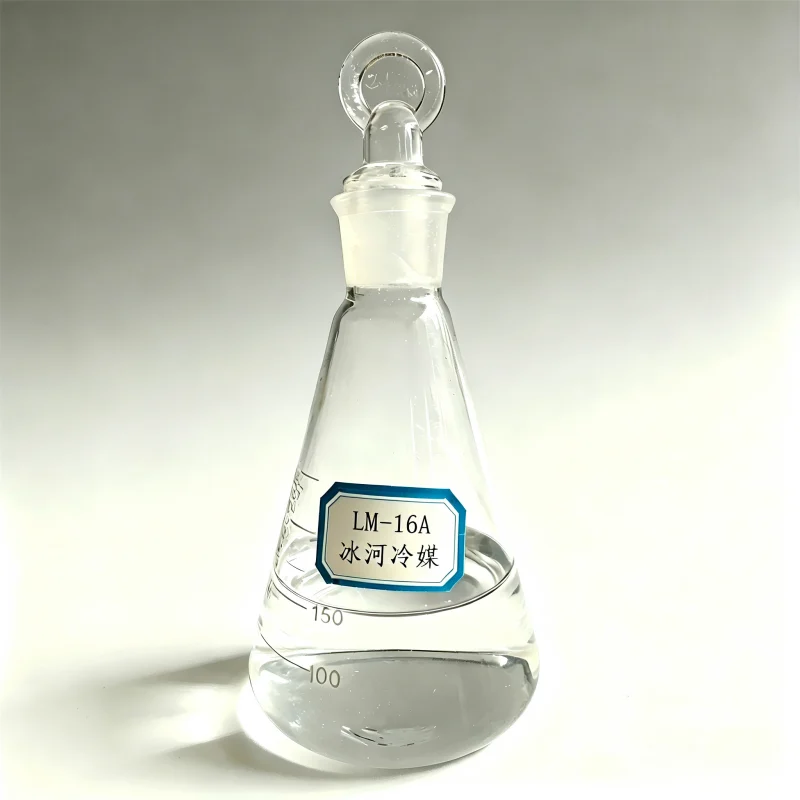
LM-16 provides dedicated process-heating grades. LM-16C is listed up to +340°C, subject to system and technical approval.

START WITH THE RIGHT QUESTIONS

A specification built
around your system.

These details help turn a product shortlist into a meaningful technical discussion.

  • Minimum and maximum fluid temperature
  • Wetted metals, seals and elastomers
  • Water tolerance and existing fluid
  • System pressure and safety requirements

RELEVANT PRODUCT FAMILIES

Your starting points.

Explore these families, then confirm the exact model and operating conditions.

The catalogue contains both combustible and non-combustible formulations. Several families recommended for this application are alcohol-based, so check the flash point, ventilation and any hazardous-area requirements on the model TDS before you specify.

Looking for a different configuration?Explore all relevant products
THE RIGHT FLUID STARTS WITH A CONVERSATION

Your process is specific.
Your coolant should be, too.

Share your temperatures, materials and application.
Let’s work through the right formulation together.

Discuss your application