
Process cooling
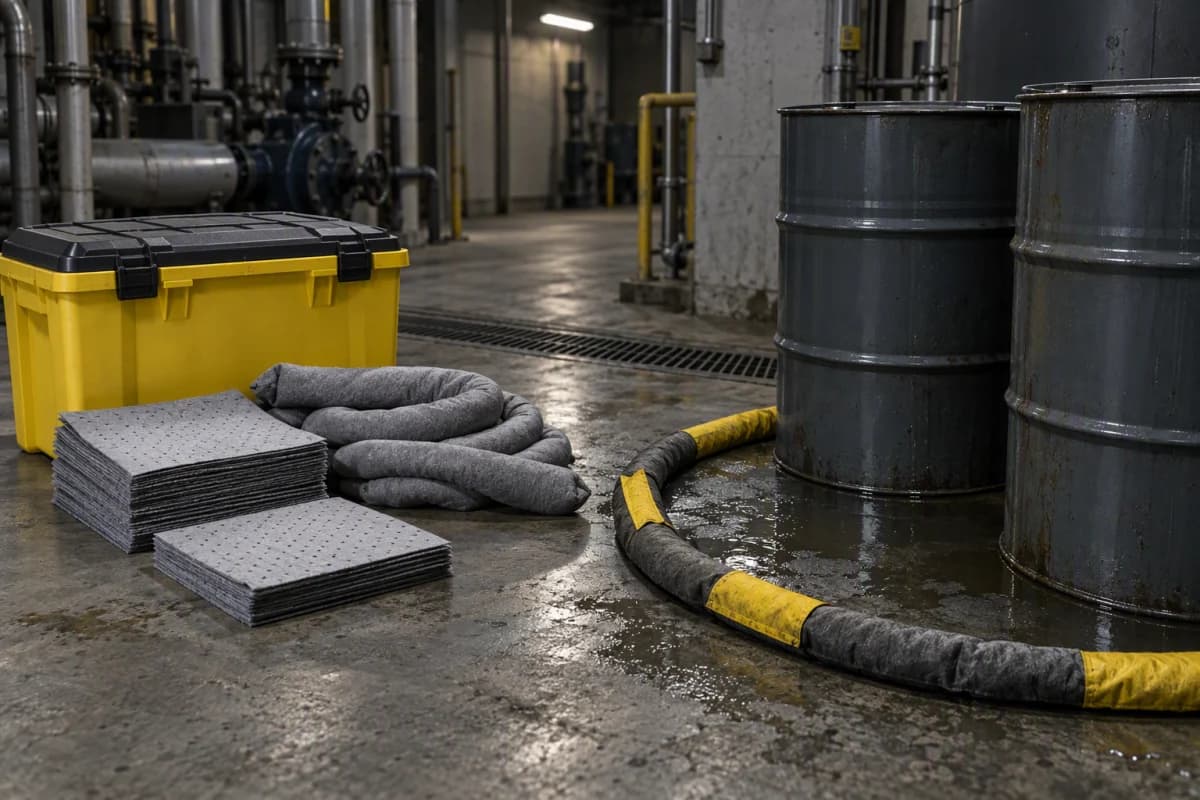
Spill and fire response: two coolant families, two procedures
Not every heat transfer fluid responds to a spill the same way. See why one group is diluted with water and the other needs detergent, and what to check first.
Specialty coolants
Low-viscosity hydrocarbon fluids for demanding ultra-low-temperature processes. The range is intended for dry, closed systems with nitrogen protection against moisture ingress.
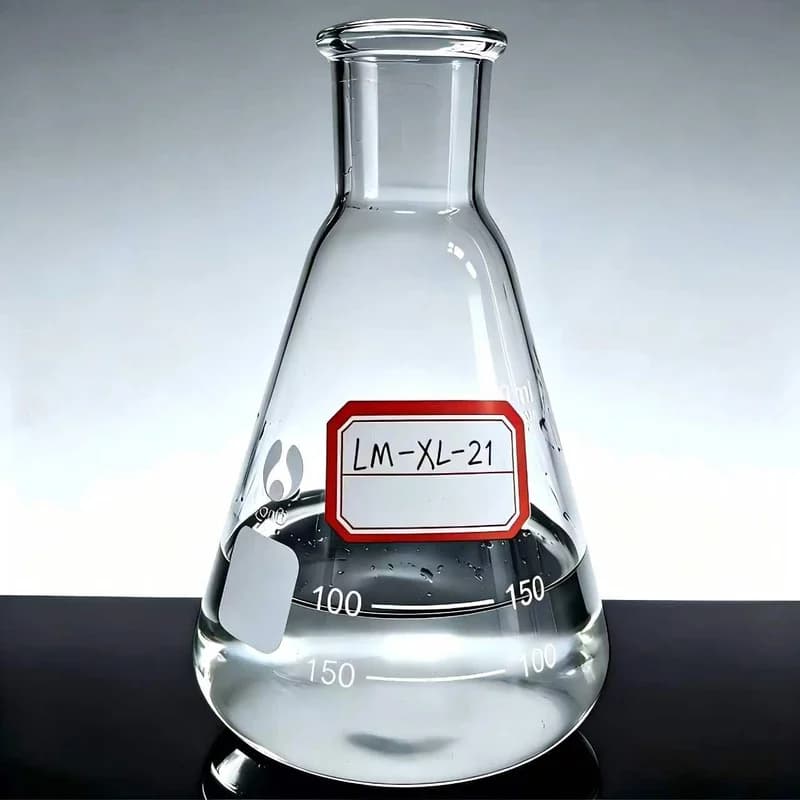
Modified hydrocarbons
| Model | Temperature range (°C) | Freezing point (°C) | Boiling point (°C) | Flash point (°C) | Viscosity (cP) | Density (g/cm³) | Specific heat (cal/g·°C) | Thermal conductivity (W/m·K) |
|---|---|---|---|---|---|---|---|---|
| LM-6 | −130 to +30 | −142 | >+70 | −25 | 0.50 | 0.750 | 0.430 cal/(g·°C) = 1.80 kJ/(kg·K) | 0.120 |
| LM-6A | −100 to ambient | −111 | >+120 | +16 | 0.80 | 0.771 | 0.431 cal/(g·°C) = 1.80 kJ/(kg·K) | 0.118 |
All properties are printed at 20°C. The catalogue carries two figures for LM-6B: a −145 to −100°C table entry and a −140 to +30°C statement for the series. Its operating limit requires written manufacturer clarification.
Reference values from the Chaoyang Guangda LM catalogue — typical figures rather than guaranteed limits. Confirm the exact model and concentration on the current model TDS before specifying.
View source: catalogue p.19 (PDF p.23)Flammable hazardous chemicals. LM-6B temperature statements differ within the catalogue, so its operating limit requires written clarification. Do not dilute or mix with other fluids.
Not every heat transfer fluid responds to a spill the same way. See why one group is diluted with water and the other needs detergent, and what to check first.
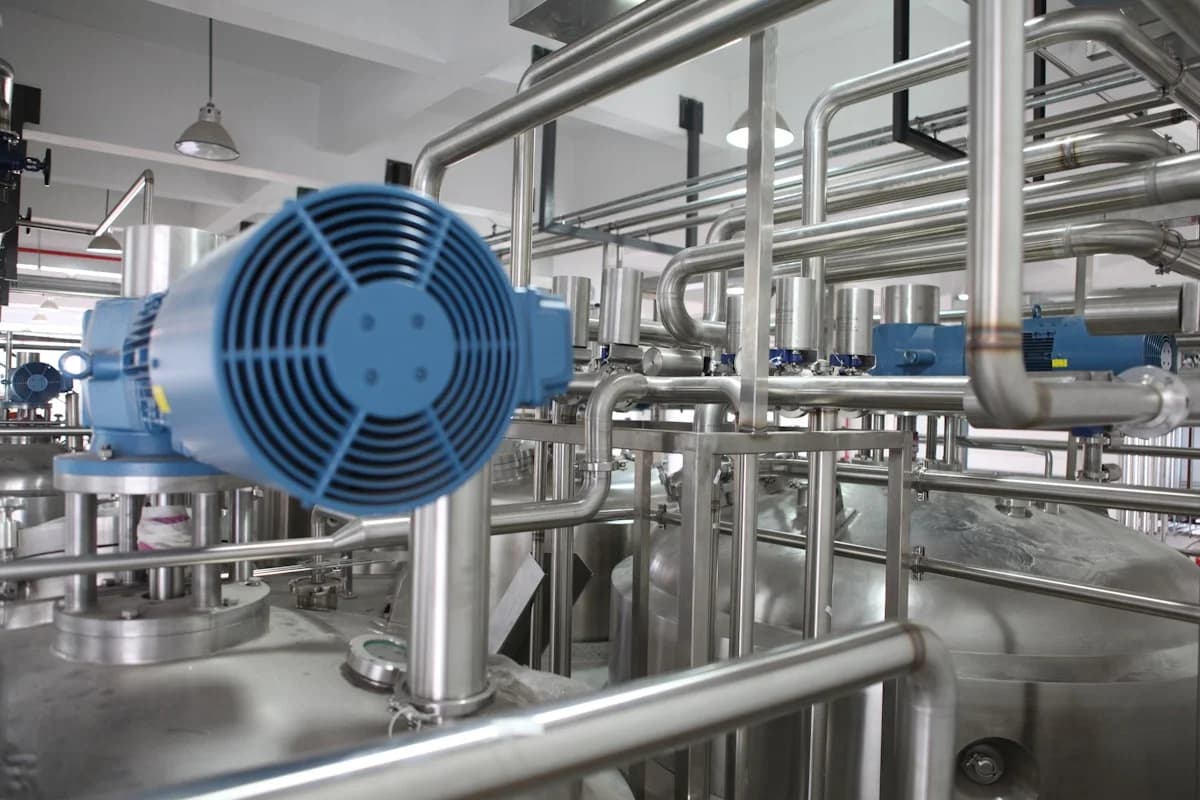
Anhydrous coolant families need a dry, closed loop, nitrogen protection and no mixing. What those three instructions mean — and what they do not specify.
CONTINUE EXPLORING
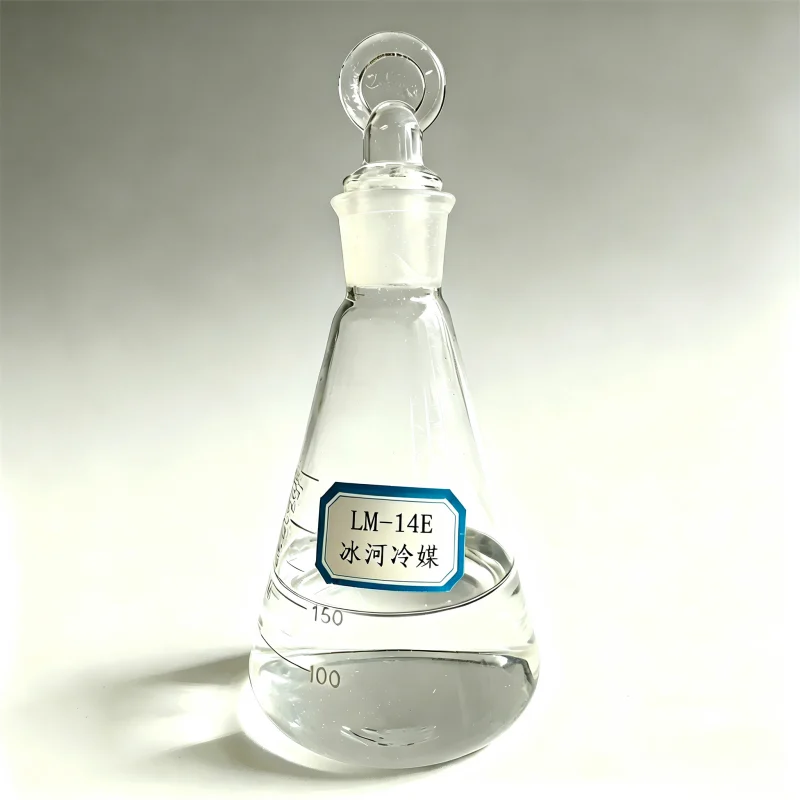
Electrically insulating fluorinated fluids
Dielectric immersion cooling fluids