How to compare coolant quotes without comparing different products
A coolant quote is only comparable when the model, concentration, quantity, packaging, delivery basis and technical documents match. Use this checklist before choosing on price.
THE SHORT ANSWER
What you need to know.
Compare coolant quotations only after matching the exact model, concentration or supplied condition, quoted quantity, package and delivery basis. Then check that the technical documents refer to the same product and that each supplier has priced the same destination and scope. A lower line price is not a like-for-like comparison if any of those items differ.
- Match the exact model and supplied concentration before comparing prices.
- Compare net product quantity and package type, not just the quoted drum or IBC price.
- Write the currency, Incoterms rule and named place into the comparison.
- Check that the TDS and SDS identify the quoted product and model.
A low price can describe a different scope
Two coolant quotations can look comparable while pricing different products, concentrations, quantities or delivery responsibilities. Before choosing on unit price, make both offers answer the same technical and commercial question.
This checklist is for engineers, buyers and importers comparing secondary coolant offers. It separates product fit from delivered cost, then gives you a short comparison table to use in an RFQ review. It does not determine which fluid is suitable for a circuit; that decision still depends on the exact application and model.
Start with product identity
“Glycol coolant” or “secondary refrigerant” is not a sufficiently specific line item. Request the full product name and model designation, and note whether the quote covers a supplied concentrate, a premix or a product that must be diluted before use. If dilution is part of the intended application, write down the target concentration and how it is expressed, such as mass fraction or volume fraction.
Then compare the same operating case: normal and start-up temperatures, the fluid circuit, and the wetted metals, seals and hoses. A quote that assumes different conditions is not directly comparable, even if both suppliers use the same broad product category. The six-question selection guide helps organise these application details before a technical shortlist is requested.
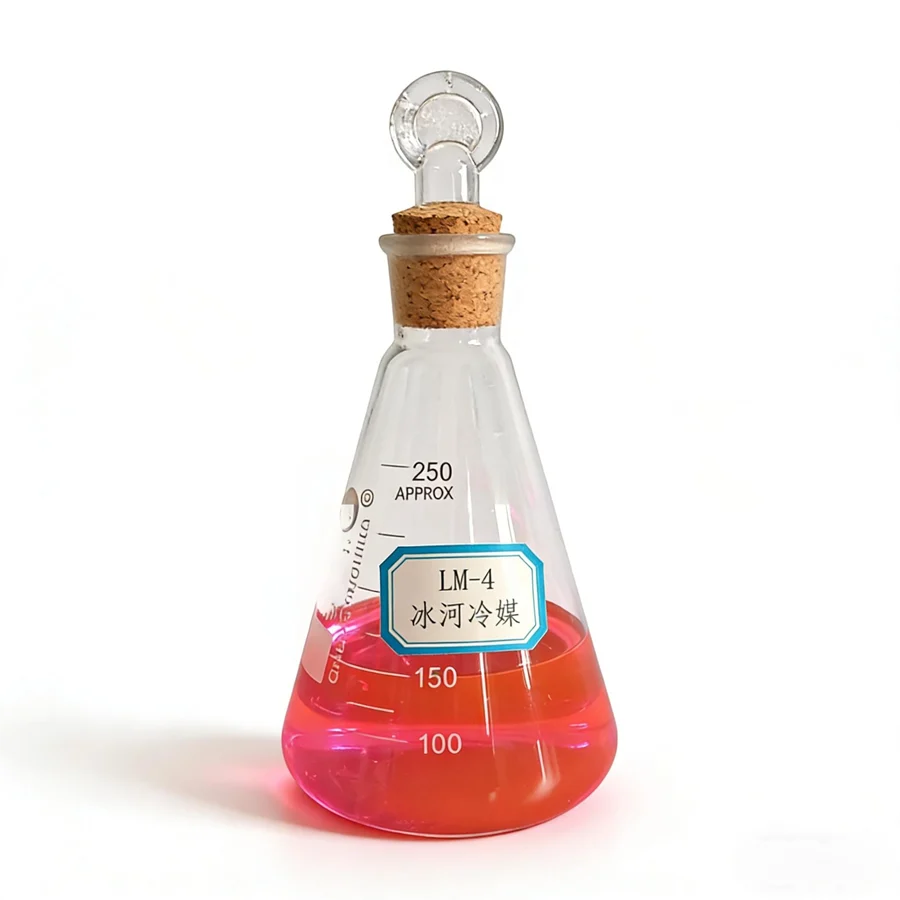
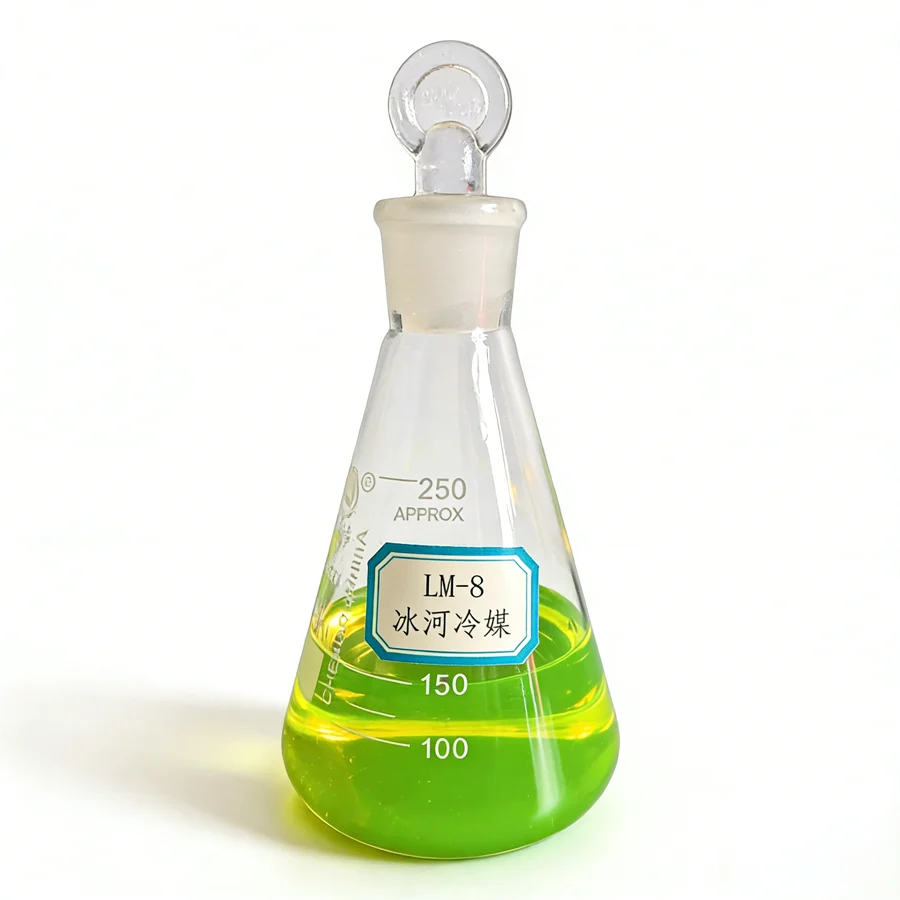
The LM-4 and LM-8 pages illustrate why the exact family and model matter: product references and use conditions are not interchangeable just because both products serve secondary cooling duties. Ask for the current technical data sheet (TDS) for the model named in the offer, not a family brochure or an unrelated substitute.
Normalize the quantity and package
A price “per drum” is difficult to compare unless the drum size and net product quantity match. Record the package type, number of packages and net mass or volume per package. Ask the supplier to distinguish product net weight from gross shipment weight, and check whether the quoted unit price is per kilogram, litre, drum, tote or another unit.
Do not assume that the same package label means the same capacity. Packaging can vary by product and offer; have the supplier state the actual package specification. If one quotation is for a different package or quantity, calculate a normalized product price only after the supplier confirms the net quantity and any minimum order condition. Keep repacking, handling and additional packaging costs visible rather than folding them into an unexplained total.
Compare the delivered basis, not just the product line
A product price and a delivered price answer different questions. For each offer, record the currency, validity period, delivery lead time and the precise delivery basis. If Incoterms are used, capture the rule, version and named place or port; the place matters because it defines the point to which that offer applies.
Also specify the same destination country and delivery location when requesting revised offers. List freight, insurance, export or import charges, duties, terminal charges and local delivery separately where applicable. These items depend on the route and transaction; do not infer them from a short label such as “CIF” or “delivered”. Check which amounts are included, which remain estimates and which are payable by the buyer.
| Comparison field | What to put on the sheet |
|---|---|
| Product | Full name, exact model and supplied condition |
| Technical basis | Concentration, operating temperatures and wetted materials |
| Quantity | Net quantity, unit, package type and package count |
| Price | Currency and matching price unit |
| Delivery | Incoterms rule and version, named place, destination and included charges |
| Timing | Quote validity, stated lead time and any availability conditions |
| Documents | TDS and SDS for the exact model; other documents requested for the destination |
Verify that the documents match the quotation
Check the product name and model on the offer against the TDS and safety data sheet (SDS). If a quote names one model while its attachment names another, pause the comparison and ask for corrected documents. A generic technical sheet is not enough to establish the properties of a model-specific offer.
The documents also do different jobs. The TDS supports technical review of stated properties and conditions; the SDS provides safety and handling information. Neither should be treated as a substitute for the other, a system design review or destination-specific regulatory advice. Request any additional certificates or declarations only when they are relevant and available for the exact product and market; do not assume a document exists because it appeared in a previous supplier file.
A practical quote-comparison sequence
- Resolve technical differences first. Confirm that each supplier priced a technically comparable model and supplied condition.
- Put all quantities on one basis. Use net product mass or volume, with package details stated separately.
- Separate product price from delivery cost. Make currency, destination, Incoterms and included charges explicit.
- Check documents and timing. Match TDS/SDS model numbers, validity dates and stated lead times.
- List open items before award. If a document, fee, package detail or technical condition is missing, mark it as unconfirmed instead of assuming the most favourable answer.
This makes the comparison auditable without pretending that the lowest normalized price is automatically the right choice. A fluid that fails the technical or safety review is not a bargain, and an apparently higher offer may include a different package or delivery scope.
Before requesting a revised quotation
Send the supplier the process temperature range, circuit description, material list, intended concentration or supplied condition, required net quantity, destination and requested package. Ask the offer to identify the exact model and attach its current TDS and SDS. If the application or logistics scope is still uncertain, mark those fields as open so every supplier prices the same assumptions.
For model-specific product documentation, visit Resources. To discuss a particular application or request a formal offer, contact the Glacier team. Confirm the selected model and all applicable technical, safety, transport and import requirements with the responsible parties before ordering.
Frequently asked questions
Is the cheapest coolant quote usually the best value?
Not necessarily. First confirm that the offers cover the same model, concentration, net quantity, package, destination and delivery scope. Only then does a price comparison become meaningful. Technical suitability and required documentation remain decision criteria alongside cost.
What should I do if one supplier cannot name the coolant model?
Ask for the full product designation and a current TDS and SDS for the offered material. Until the identity and supplied condition are confirmed, treat the offer as incomplete rather than comparing it with a model-specific quotation.
Can the supplier select the fluid from my equipment name alone?
An equipment name does not describe the full duty. Provide the operating temperature range, circuit role, wetted materials, concentration requirements and relevant site constraints. The equipment manufacturer or responsible engineer should confirm system compatibility and design requirements.
Should import duty be included in a quote comparison?
Include it only when the same destination and a reliable basis are available for every offer. Keep product price, freight, insurance, duties and local charges distinguishable, and confirm classification and import requirements with the relevant customs broker or authority.
QUICK CLARIFICATIONS
Common questions.
Should I compare coolant prices per drum or per kilogram?
Compare the net quantity of product on the same basis. Drum prices can hide different net weights, concentrations or package specifications. Record the package, net mass and price unit for each offer; confirm whether the quote includes freight, duties or other charges before treating the totals as comparable.
Can I compare two products if both are called glycol coolant?
Not from the family name alone. Confirm the exact model, concentration or supplied condition, operating window and wetted-material requirements. Products within a broad family can have different specifications, and a similar description does not establish equivalence.
Which Incoterms details should appear in a coolant quote?
Ask the supplier to state the exact Incoterms rule, its version and the named place or port, alongside the delivery destination. A rule without its named place is incomplete for comparing which transport and delivery responsibilities each offer includes.
Does an SDS prove that a quoted coolant is suitable for my system?
No. An SDS communicates safety information; it does not by itself establish thermal performance or equipment compatibility. Review the current TDS for the exact model and confirm operating conditions, materials and system requirements with the responsible technical parties.
CHECK THE SOURCE
References & scope.
- Glacier coolant catalogue — product families and model-level references
- Glacier product pages — LM-4 and LM-8 family references
- Glacier six-question selection guide
Obtain the relevant TDS, SDS and technical approval before use.
How we prepare our content