Glycol-type or organic-salt coolant? A practical comparison
Compare Glacier LM-4 and LM-8 coolant families by chemistry, model selection, materials and documentation—not generic performance or safety assumptions.
THE SHORT ANSWER
What you need to know.
There is no universal winner between glycol-type and organic-salt coolants. LM-4 is a modified-diol family and LM-8 is a modified organic-acid-salt family. Compare exact variants at the required concentration and temperature, then confirm materials, safety and maintenance requirements.
- Compare exact models under the same operating conditions, not isolated headline properties.
- Aluminium compatibility and elevated-temperature duty depend on the variant.
- A non-combustible formulation still needs an SDS and a system-compatibility review.
Chemistry narrows the conversation
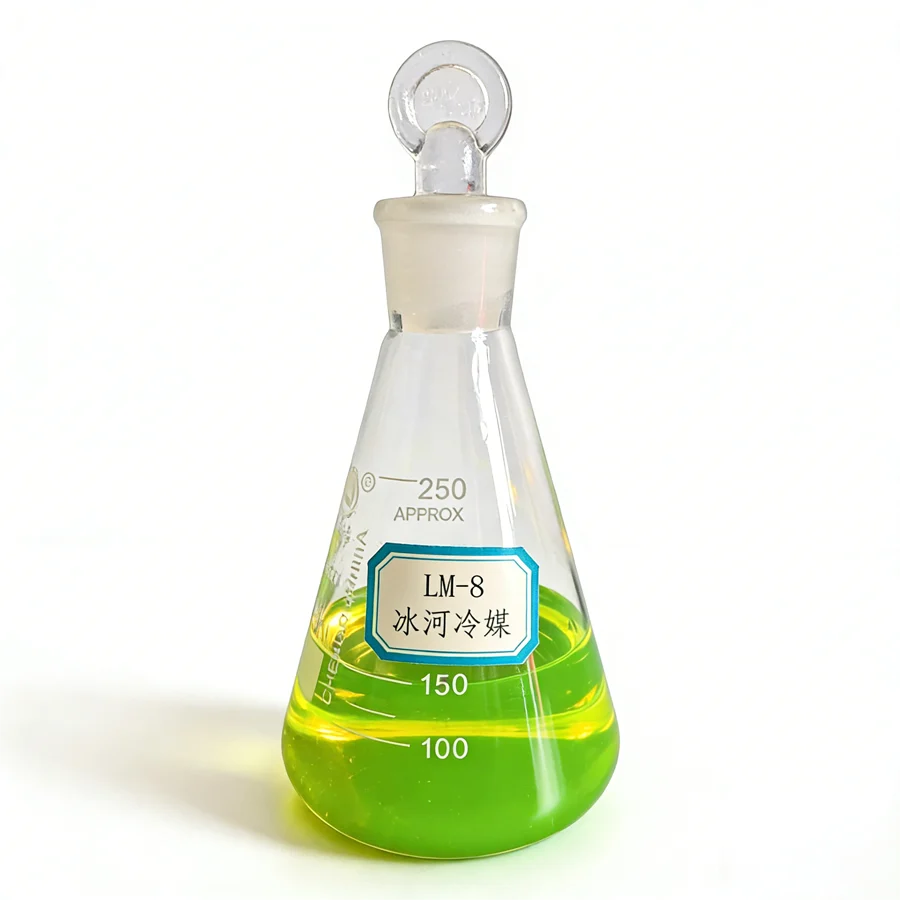
The LM-4 and LM-8 families offer different starting points for industrial secondary cooling. LM-4 is described as modified diols; LM-8 is described as modified organic acid salts. These are formulation descriptions, not complete ingredient disclosures or permission to infer a specific chemical recipe.
A useful comparison starts by holding the application constant. Write down the required operating window, system materials and target concentration before comparing properties. If those conditions change between candidates, the figures may answer different questions.
This is especially important when using older website material alongside current product data. Some original-site descriptions combine model ranges or use different stock-property references. The product pages use the manufacturer's data as their numeric baseline and ask for a current TDS to resolve discrepancies.
Compare the actual variants
| Selection point | LM-4 family | LM-8 family |
|---|---|---|
| Formulation chemistry | Modified diols | Modified organic acid salts |
| Variant selection | Standard, aluminium-compatible, elevated-temperature and specialised options | Base, L, G and GL options with different duties |
| What needs confirmation | Exact model, dilution, water quality and application-specific requirements | Exact model, concentration and material compatibility |
| What not to assume | Every LM-4 product suits electronic or immersion cooling | Every salt-based model has identical limits or metal compatibility |
The table is a selection map, not a performance ranking. For model-specific ranges, use the product pages and the linked data. Do not extend an elevated-temperature grade’s limit to the base formulation.
Ask for properties at your temperatures
Room-temperature stock-fluid data can be useful, but it does not describe every condition a pump or heat exchanger will encounter. Discuss the lowest startup temperature, normal circulation conditions and the upper process requirement. Ask for concentration-dependent viscosity, heat capacity and thermal-conductivity information that covers those conditions.
Avoid comparing numbers with different units or test conditions. If the supplier provides a curve, confirm which model and concentration it represents. A headline statement about cooling performance is less useful than a clearly identified dataset for the proposed formulation.
Protect the whole material system
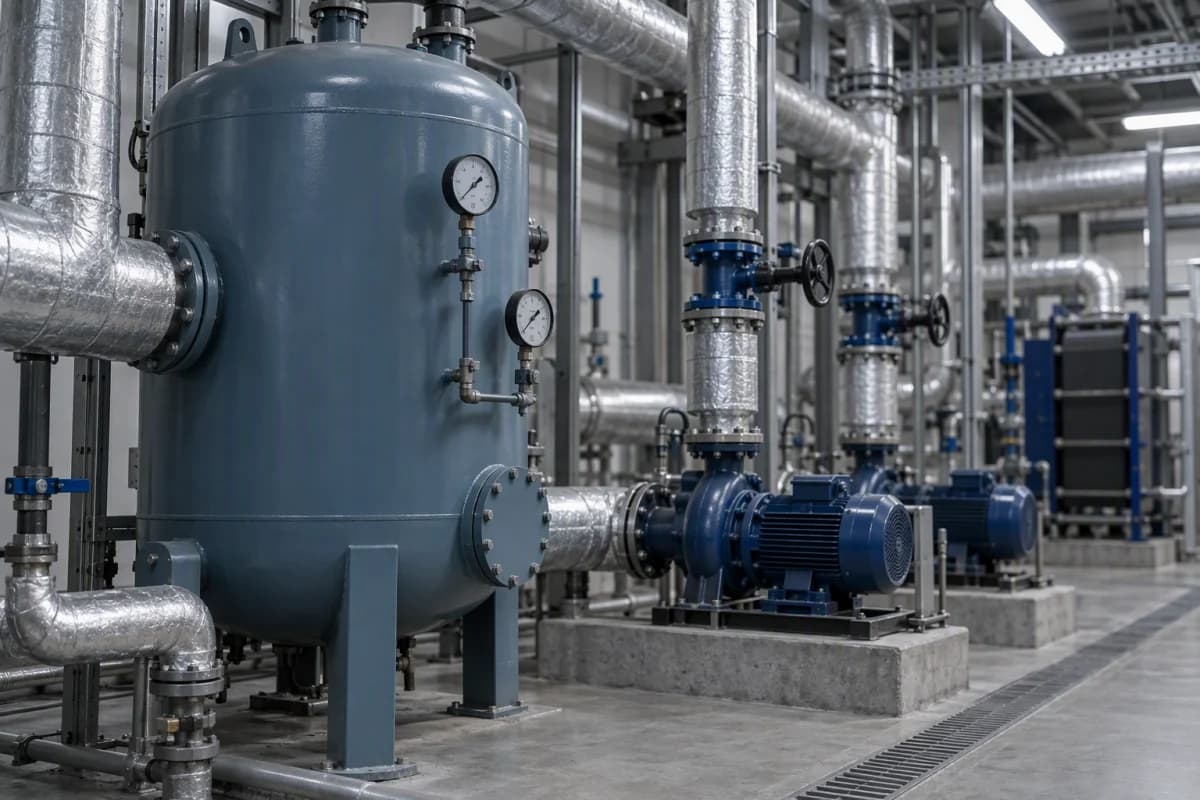
Include every wetted metal, seal, hose and polymer in the review. A system described simply as stainless steel may still contain other materials in valves, pumps or instrumentation. The aluminium-compatible variants illustrate why these details matter.
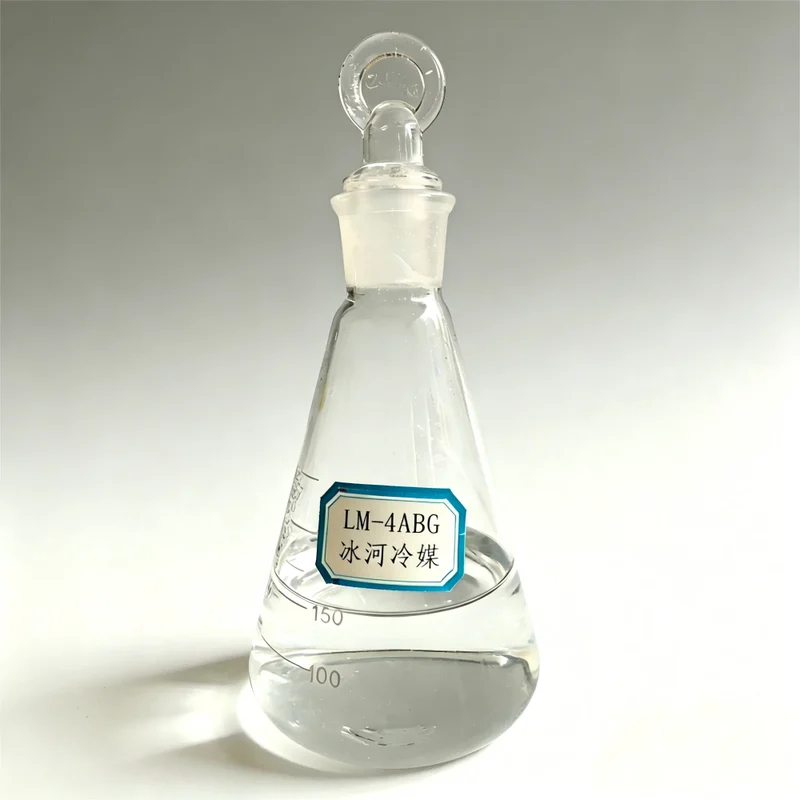
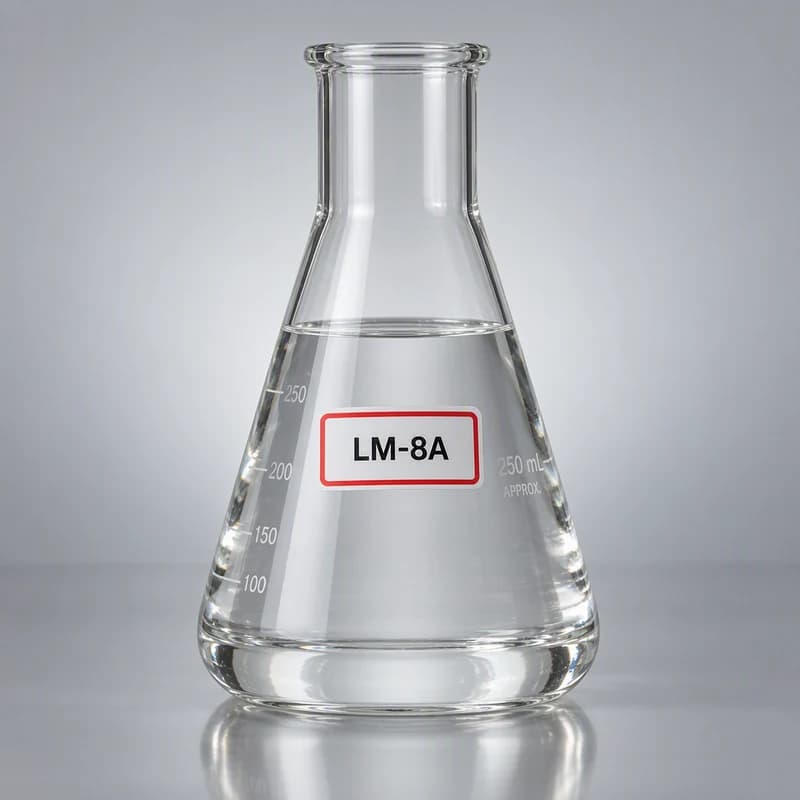
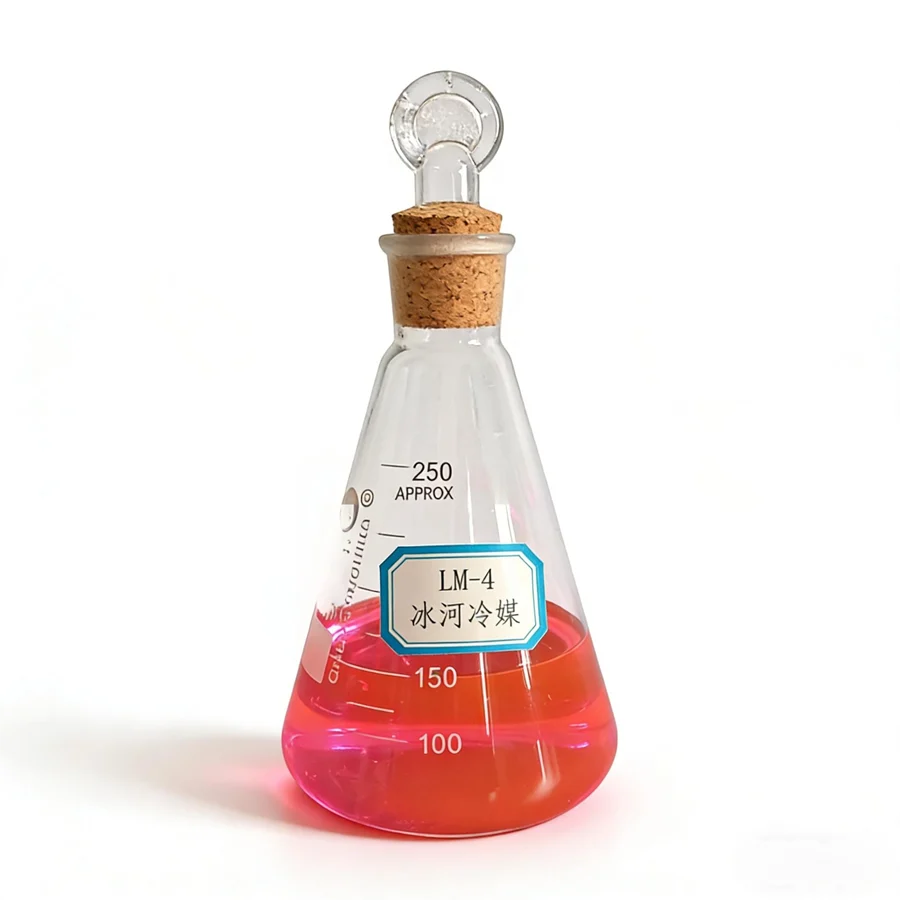
Do not use the appearance of a sample to confirm identity. Colour may vary, and a photograph cannot establish the chemical formulation, concentration or compatibility with an installed circuit. Keep the exact model designation and agreed specification with the purchasing and commissioning records.
Safety and maintenance are separate decisions
The LM-8 data describes non-combustible options, but that is not the same as unrestricted use. Handling, materials, dilution and monitoring still require review. Likewise, a family-level description must not replace a current SDS for the supplied product.
For an existing installation, provide the current-fluid identity and recent test results. Confirm whether a complete changeover is required and what ongoing checks apply. Never infer mixing permission from the fact that both fluids are used for secondary cooling.
Turn the comparison into a shortlist
Bring the same application information to both candidates, request current documentation, and resolve any contradictory figures before purchase. The industrial-process guide and technical-document request page are useful next steps. Final selection should be based on the circuit and confirmed model data, not a generic claim that one chemistry is always better.
QUICK CLARIFICATIONS
Common questions.
Are all LM-8 variants suitable for aluminium?
No. Aluminium compatibility is identified for specific L/GL variants. Confirm the full wetted-material list for the exact model.
Can I compare two stock-fluid viscosity figures directly?
Only when the concentration, temperature, units and test conditions are comparable. Request the relevant property curves for your actual operating conditions.
CHECK THE SOURCE
References & scope.
- Glacier catalogue — LM-4 family, printed page 11 onwards
- Glacier catalogue — LM-8 family, printed page 20 onwards
Obtain the relevant TDS, SDS and technical approval before use.
How we prepare our content