Switching your secondary coolant: what to confirm before you drain the loop
Changing a secondary coolant or thermal fluid is more than draining and refilling. Confirm compatibility, the cleaning method and the first monitoring window.
THE SHORT ANSWER
What you need to know.
Changing a secondary coolant chemistry is not a drain-and-refill job. Confirm the compatibility of the new fluid with every material in the loop, choose a cleaning method that does not react with either fluid, and set the first monitoring window before the new charge goes in. Three things that do not transfer between chemistries: the inhibitor package, the material compatibility list and the safe operating limits.
- A small residual volume of the old fluid can cause phase separation, foaming, inhibitor inactivation or accelerated corrosion in the new charge.
- Cleaning agents must be chosen against both the outgoing and the incoming chemistry. An aqueous cleaner that is safe for one may be incompatible with the other.
- The first monitoring result after a changeover is the most important data point the system will ever produce. Take a baseline before the system returns to service.
This is not a drain-and-refill job
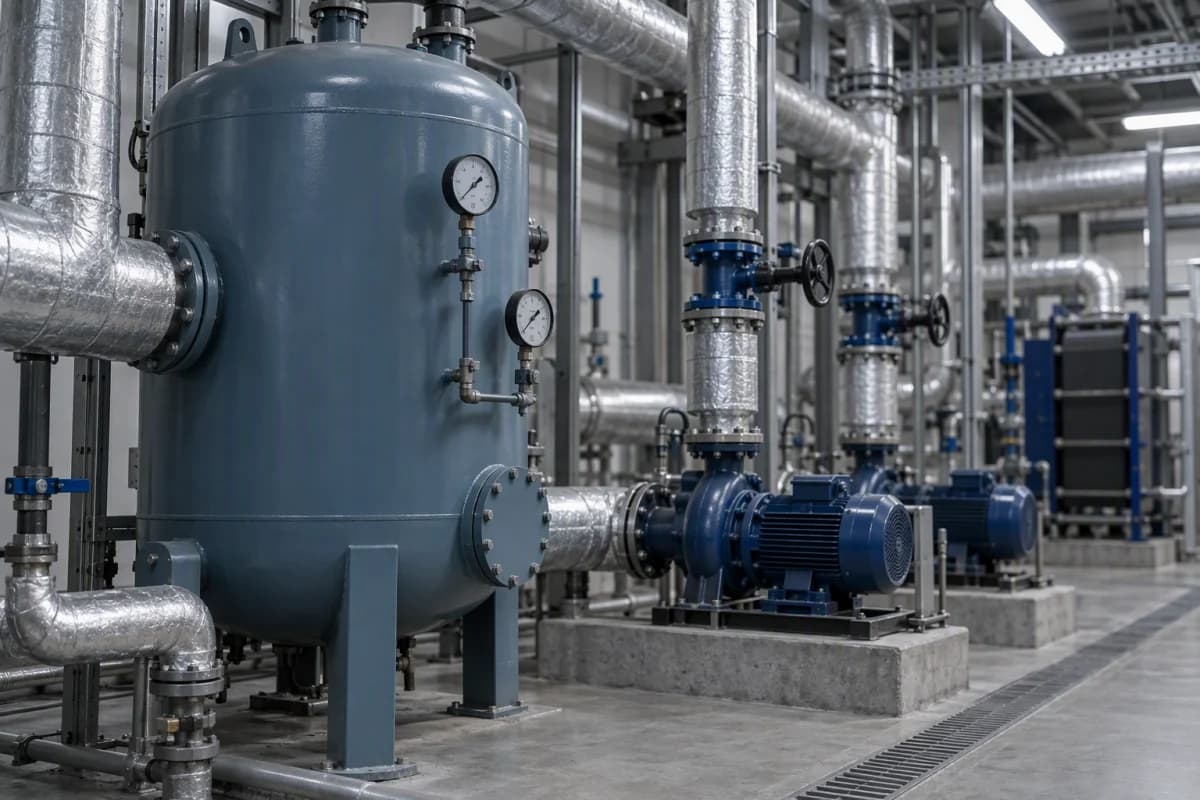
A secondary coolant — also called a thermal fluid, a heat transfer fluid or a secondary refrigerant — carries heat through the process loop. Changing its chemistry, from a glycol to an organic salt, from a brine to an inhibited glycol, from one thermal oil grade to another, is one of the most consequential maintenance decisions a plant makes. It is also one of the least documented. Equipment vendors will specify the fluid for a new installation, and fluid suppliers will specify the monitoring programme for a fluid already in service. Nobody provides a standard procedure for what happens in between.
The steps depend on the system, the two fluids and the reason for the change. What matters is the list of questions that determine whether a changeover is straightforward, difficult or unsafe, and the evidence that should be gathered before the first valve is opened.
Fluid-manufacturer guidance, compatibility information and the material-safety statements accompanying each product all bear on these questions. It does not prescribe a cleaning method, a flush volume or a passivation step.
You will not drain it all
The first published observation worth taking seriously is that it is virtually impossible to drain a secondary cooling system completely. Low points, dead legs, heat-exchanger passes and pump casings retain fluid. A residual volume of even a few percent of the total charge is enough to matter.
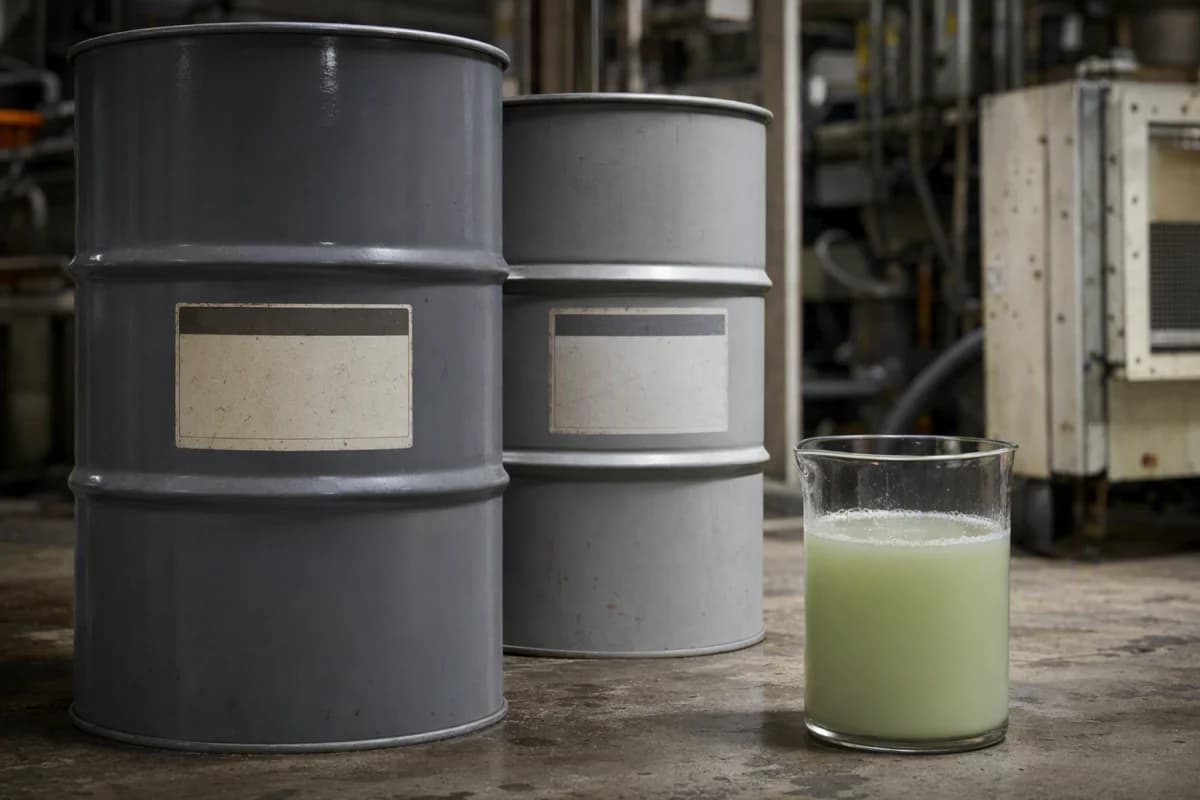
What that residual volume does depends on the two chemistries. If the old and new fluids are miscible and chemically compatible, the residual dilutes into the new charge and the effect may be negligible. If they are immiscible, the residual forms a separate phase that can cause vapour locking, pump cavitation, seal damage and localised overheating. If the additives in the two fluids interact — an inhibitor in the old fluid reacting with an inhibitor in the new one — the result can be precipitation, foaming or accelerated corrosion in the very places the residual fluid settled.
The practical step is to confirm miscibility and chemical compatibility between the two specific products, at the concentrations at which they will mix, before assuming that a drain-and-flush procedure will clear the system. A small-scale compatibility test — mixing the two fluids in the worst-case ratio the system might see, and observing phase behaviour, precipitation and colour change over a period of hours — is a useful precaution.
The cleaner is part of the chemistry decision
A line drawn for thermal-fluid changeovers is equally relevant to secondary coolants: do not use an aqueous-based cleaner in a system that will be filled with a water-insoluble fluid, and do not use a solvent-based cleaner that leaves a residue the new fluid will extract.
The choice of cleaning agent is therefore dictated by both the old fluid and the new one. A flush that removes glycol residues effectively may leave a film that an organic-salt coolant will strip, carrying the residue into the circulating charge. A solvent flush that cleans a thermal-oil system thoroughly may attack elastomers that were compatible with the oil and are not compatible with the solvent.
The supplier of the incoming fluid should be asked for a recommended cleaning procedure, and the supplier of the outgoing fluid should be asked what residues are likely to remain and what will remove them. The two recommendations must be reconciled before the system is opened.
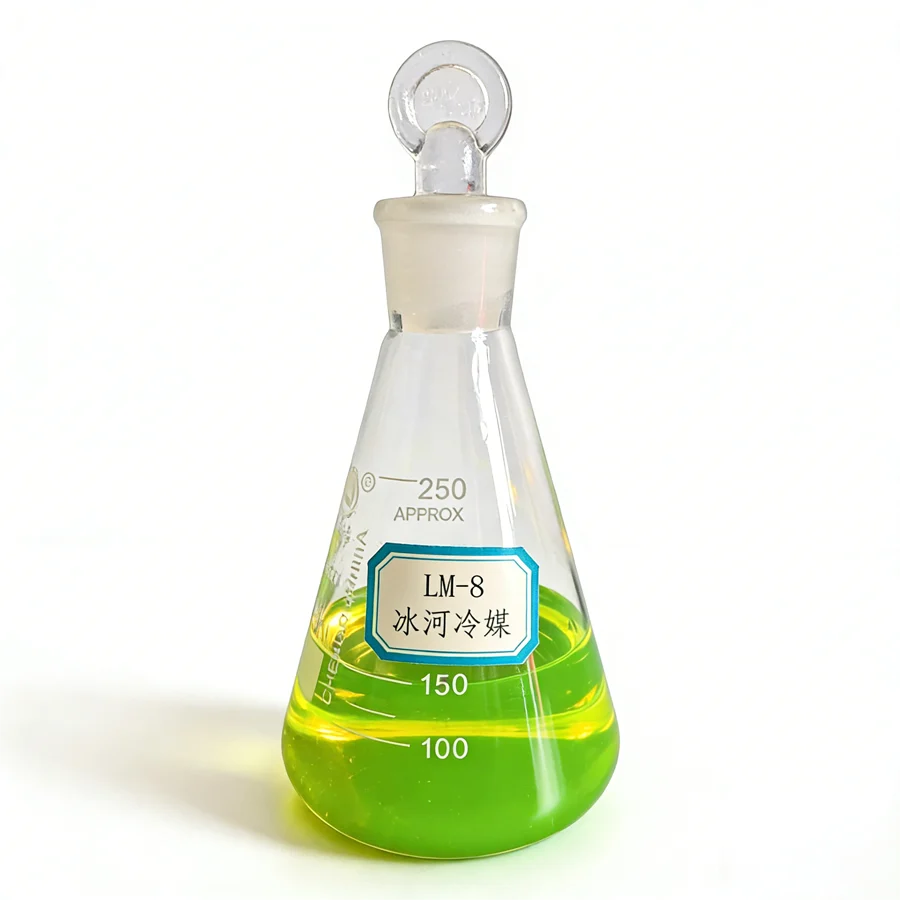
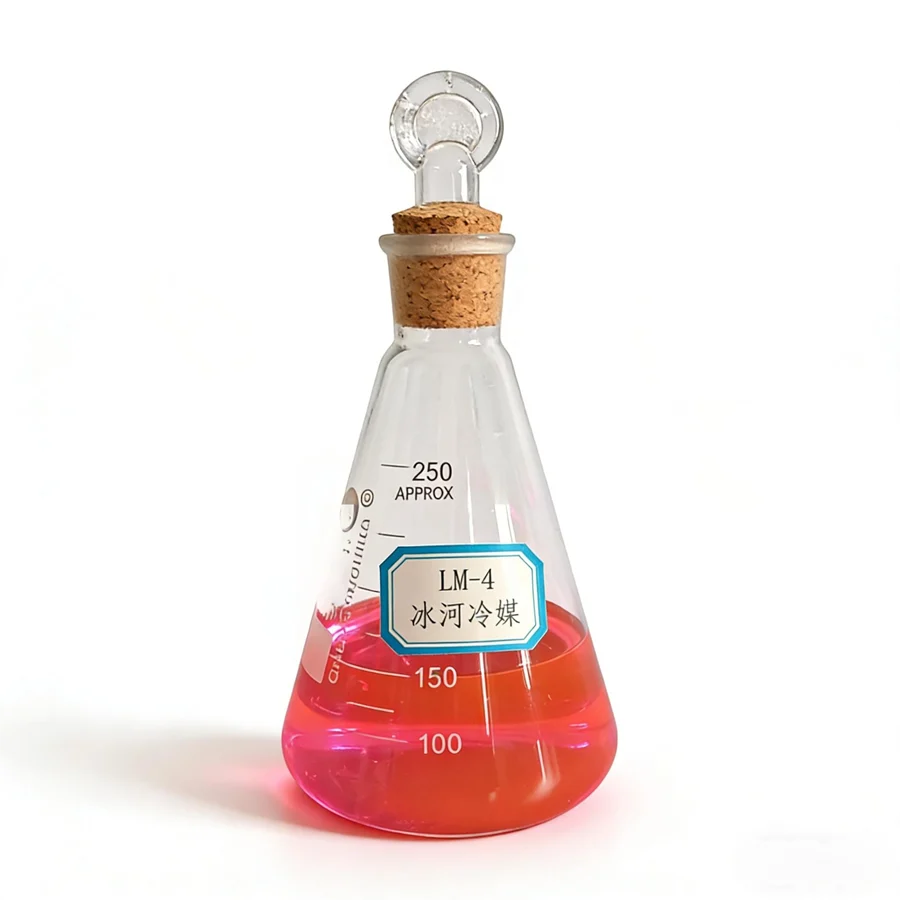
The additive families provide useful tools for this stage. The LMZ series is described as synergists for alcohol-based aqueous cooling media, and the table of four grades — solid and liquid, inorganic and organic — covers a range of additive formats. They are not cleaning agents, but they illustrate the principle that the additive chemistry must be matched to the base fluid. The same principle applies to cleaning: the cleaner must be matched to both the old and the new chemistry.
What does and does not transfer between chemistries
Three things that are specific to a fluid chemistry, and that do not transfer when the chemistry changes:
- The inhibitor package. An inhibitor formulated for a glycol solution will not necessarily protect a formate or acetate brine, and published experience warns that inhibitor packages can show negative synergies when moved between chemistries. The inhibitor in the new fluid must be formulated for that fluid, and any residual old inhibitor in the system must be identified and assessed for interaction.
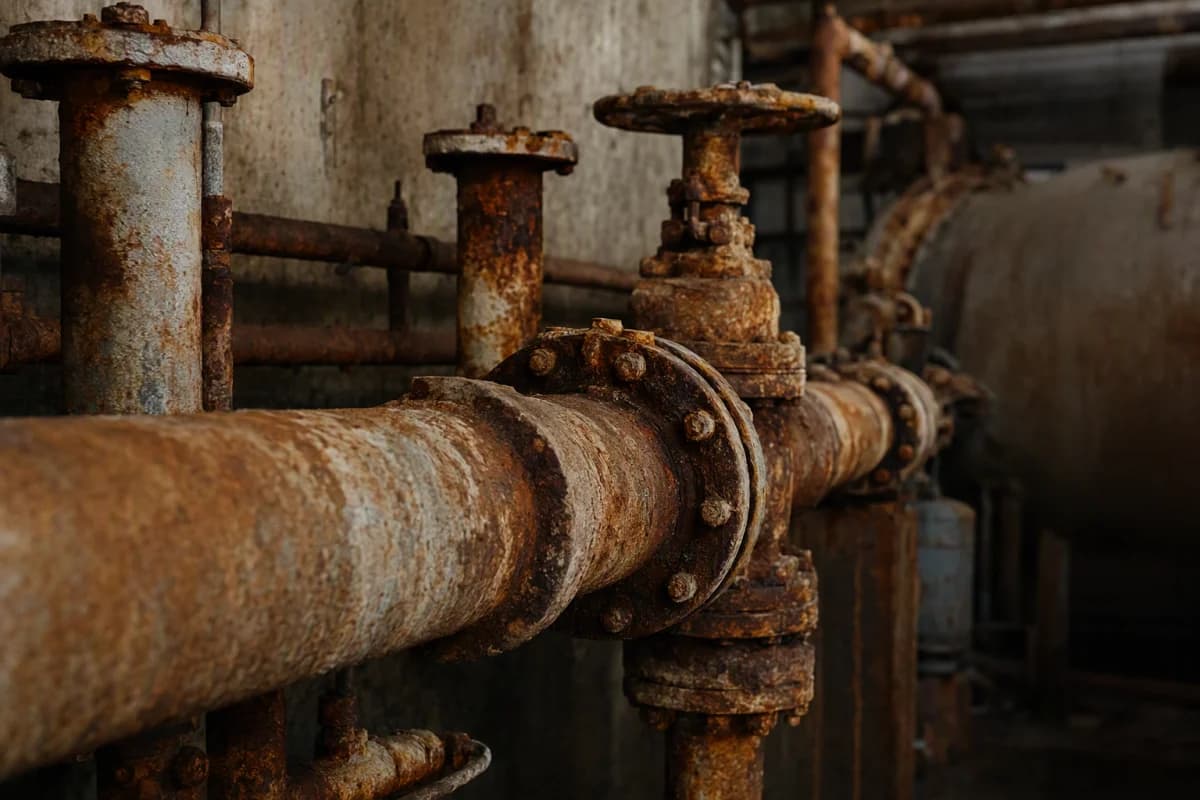
- The material compatibility list. Organic-salt coolants exclude soft solder and zinc, and require silver brazing at joints. A system that was compatible with a glycol-based fluid may contain soft-soldered joints or galvanised components that were acceptable for glycol and are not acceptable for the new chemistry. The incoming fluid's material compatibility list must be checked against the actual system, not against the specification it was built to.
- The safe operating limits. A temperature range that applied to the old fluid at a given concentration does not apply to the new fluid at the same concentration. The freeze point, the burst point, the upper temperature limit and the pumpability limit all change with the chemistry. The system's alarms, interlocks and pump curves must be checked against the new fluid's properties at the operating temperature.
The first monitoring result is the most important data point
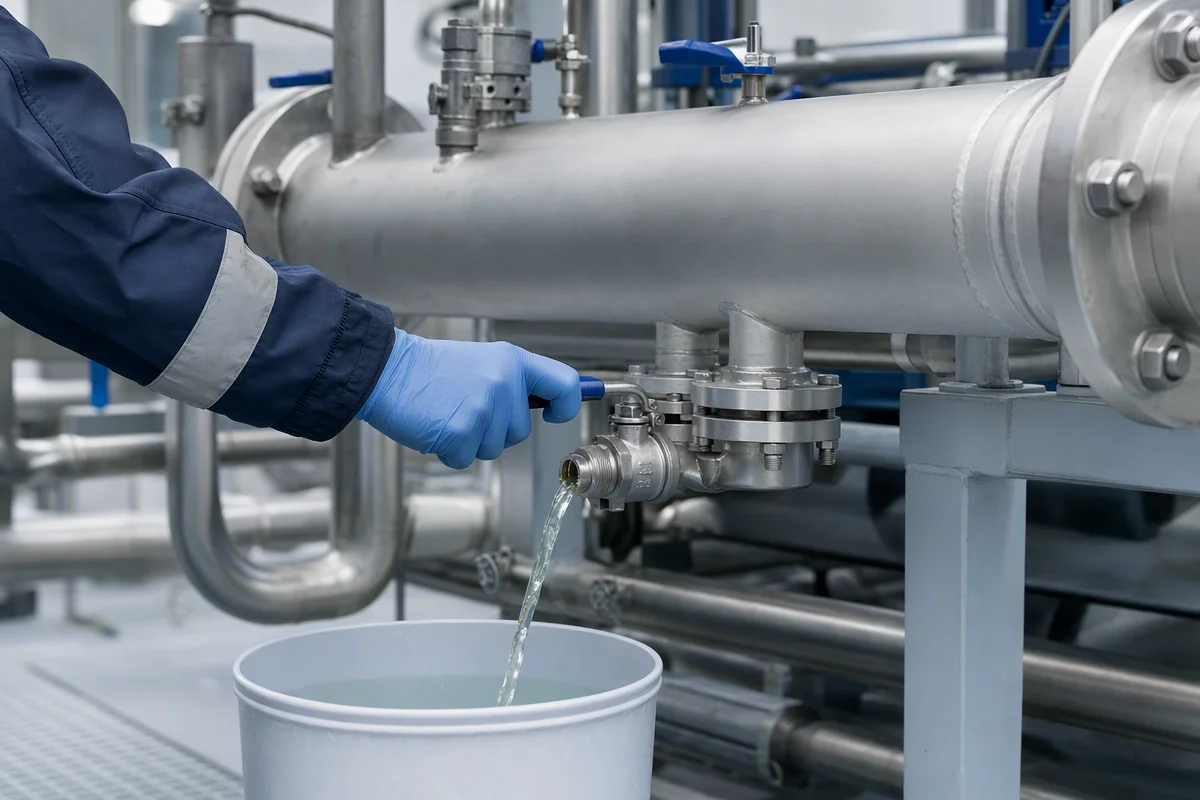
Once the system is drained, cleaned where necessary, refilled and circulating, the single most valuable measurement is the one taken before the system is handed back to operation. It is the baseline against which every subsequent reading will be compared.
The minimum set at that first sample:
- pH and conductivity, compared against the fresh-fluid reference values supplied with the new charge.
- Fluid identity and concentration, confirmed by refractometer, hydrometer or laboratory analysis.
- Visual appearance — clarity, colour, any haze, sediment or oil separation.
- A metals panel if the system has a history of corrosion, to establish the post-changeover baseline.
Repeat the measurement at a shorter interval than the routine schedule — within the first week or the first month for a large system, sooner for a small one — to catch any interaction between residual old fluid and the new charge before it has time to establish. If that second reading is stable against the first, the monitoring interval can be extended to the routine schedule. The coolant maintenance programme article sets out the intervals and parameters specified for several product families.
What the procedure has to cover
A cleaning procedure, a flush volume, a passivation step and a changeover timeline are engineering decisions specific to the system, the two fluids and the reason for the change, and they must be made with the suppliers of both fluids and the system designer.
It also does not recommend a fluid chemistry change. The decision to switch chemistries should be based on a documented comparison of the two fluids at the system's operating conditions, including material compatibility, pumping energy, freeze protection, inhibitor life and total cost. The pumping energy article covers the low-temperature comparison; the freeze and burst point article covers the protection question. Any decision to proceed should be supported by written confirmation from the incoming fluid's supplier and the system's equipment vendors.
The system maintenance solution page and the technical document request page are the entry points for that conversation.
QUICK CLARIFICATIONS
Common questions.
Can I just drain the old fluid and refill with the new one?
Not without confirming that the two fluids are miscible and that any residual volume will not cause phase separation, foaming or inhibitor incompatibility. It is virtually impossible to drain a system completely, and the residual fluid — even a few percent — can interact with the new charge. Confirm compatibility and the required flush procedure with both the outgoing and incoming fluid suppliers.
Can I use the same inhibitor package after a chemistry change?
No. Published experience with organic-salt and glycol-based coolants warns that an inhibitor package proven in one fluid chemistry may show negative synergies in another. The inhibitor must be formulated for the chemistry of the fluid it is protecting. A change of fluid chemistry is also a change of inhibitor chemistry.
What should I test immediately after a changeover?
Take a full baseline: pH, conductivity, inhibitor concentration or reserve alkalinity, glycol concentration or fluid identity, and visual appearance. Compare it against the fresh-fluid reference values supplied with the new charge. Repeat the measurement at a shorter interval than the routine schedule — within the first week or the first month, depending on the system volume — to catch any interaction between the residual old fluid and the new charge before it has time to cause damage.
CHECK THE SOURCE
References & scope.
- Paratherm via AZoM — Navigating the seven thermal fluid C's: changeout and cleaning
- TYFOROP — Thermophysical properties and corrosion behaviour of secondary coolants
- Glacier catalogue — LMH brine inhibitor programme
- Glacier catalogue — LMZ secondary refrigerant synergists
Obtain the relevant TDS, SDS and technical approval before use.
How we prepare our content