
Electronics cooling
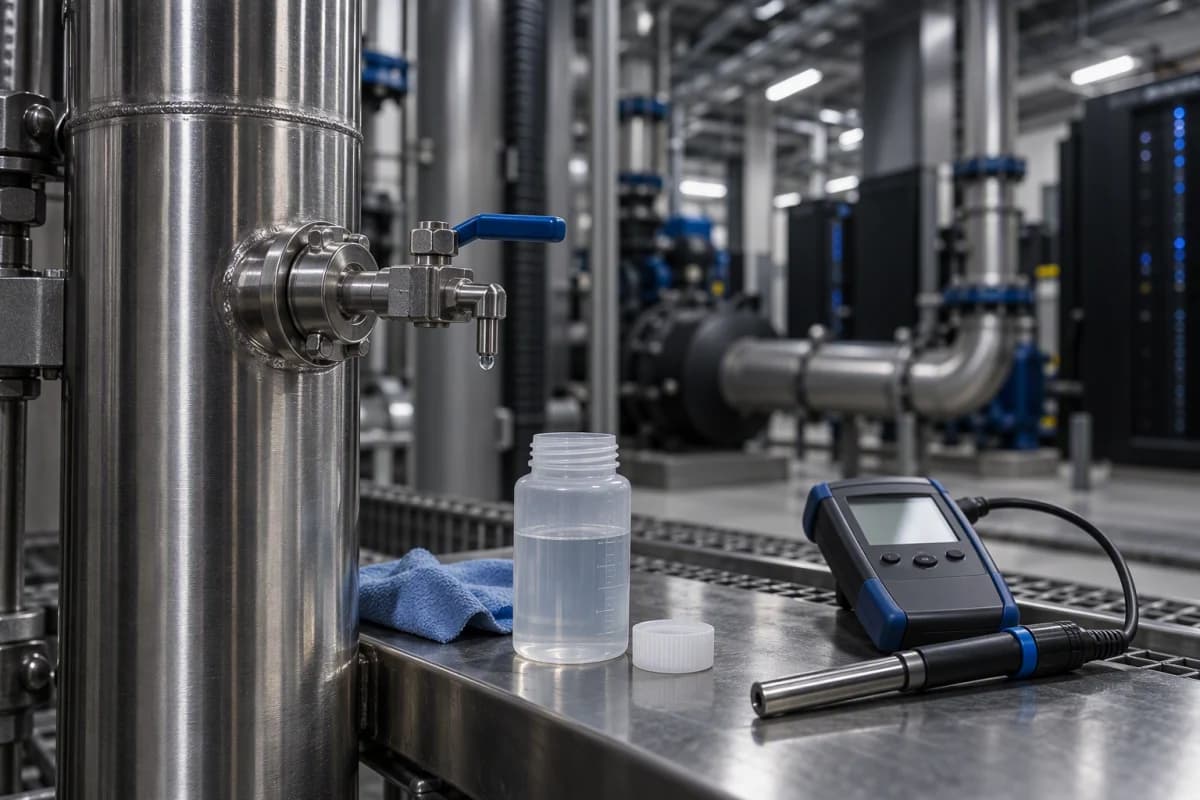
Data centre cooling loops: the maintenance programme
A data centre loop cannot be taken offline for a fluid check on a whim. See which parameters to trend, why conductivity leads, and what belongs in the plan.
THE GLACIER JOURNAL
Ideas, explanations and practical questions for the people behind thermal systems.
A data centre loop cannot be taken offline for a fluid check on a whim. See which parameters to trend, why conductivity leads, and what belongs in the plan.
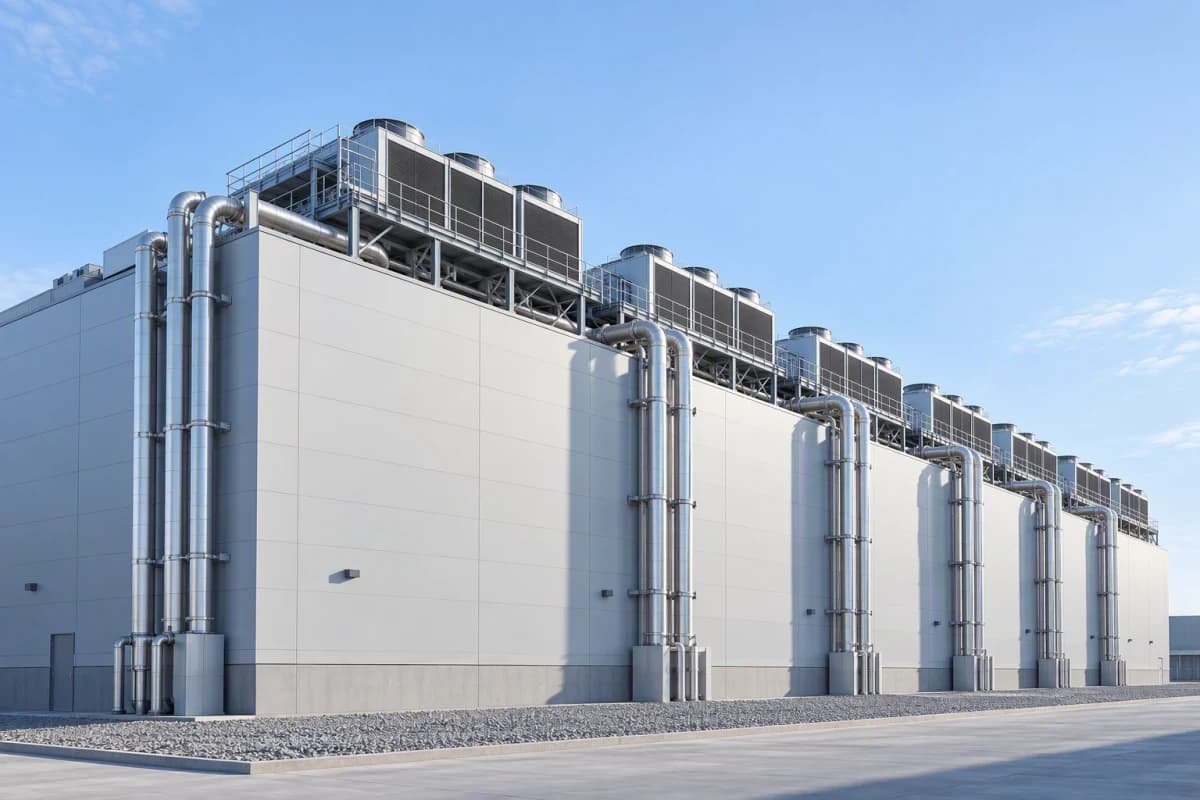
A retrofit is bounded by pipework, pumps and shutdown windows that already exist. See which constraint usually decides the outcome, and what to survey first.
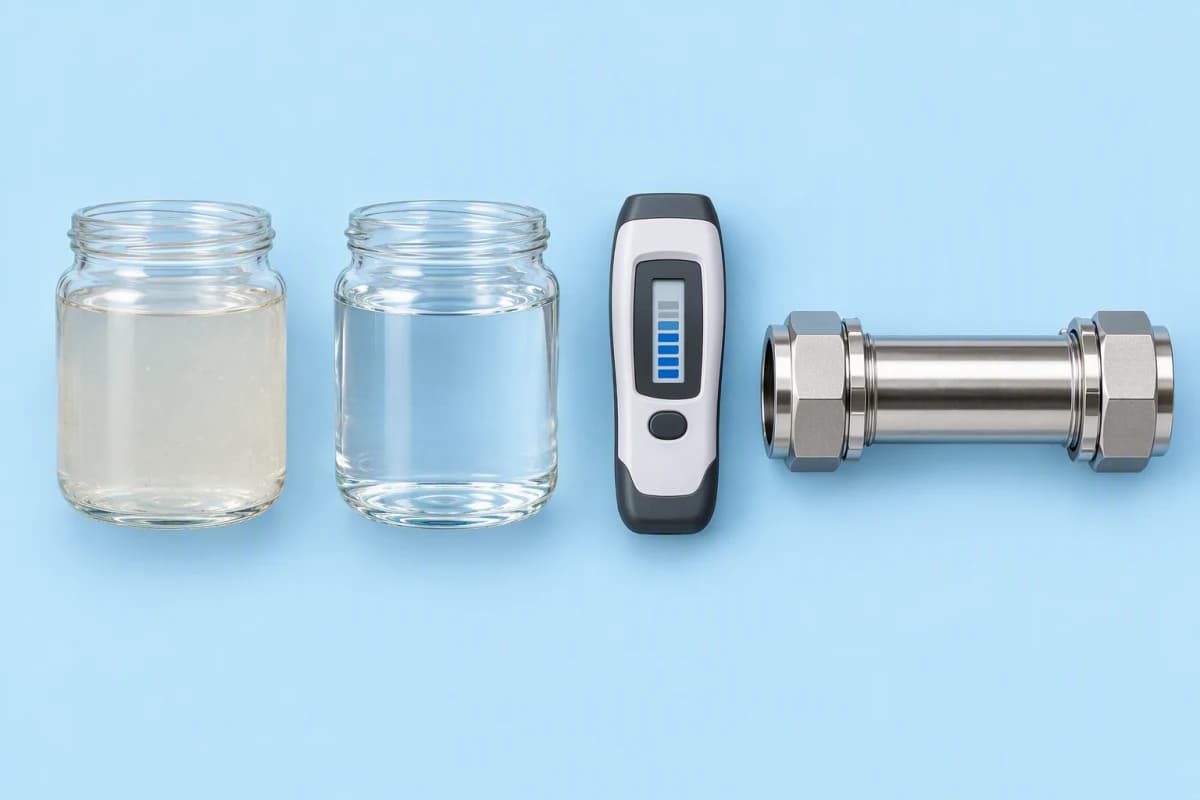
In the Gulf the binding constraint on cooling is water, not air temperature. See why the three water routes cost what they do, and where a closed loop fits.
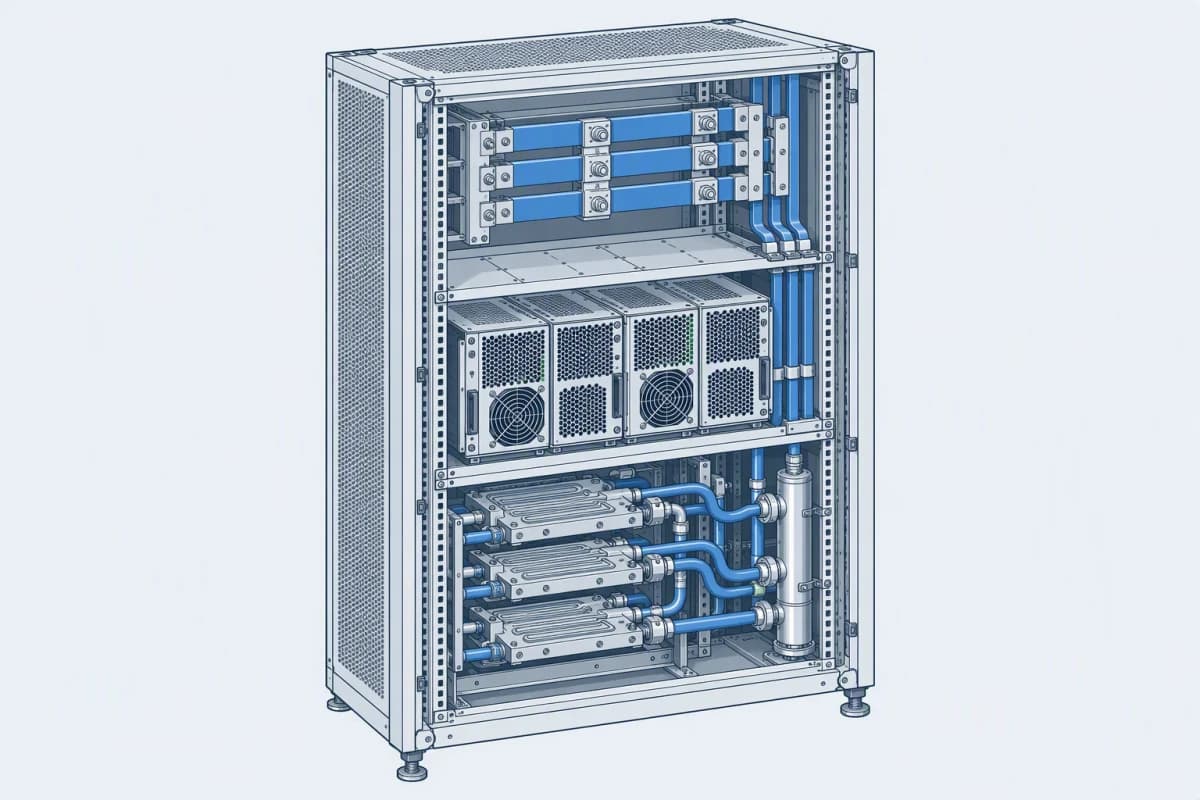
Moving rack power to 800 V DC changes more than the busbar. See why a higher system voltage tightens the fluid's conductivity requirement, and by how much.
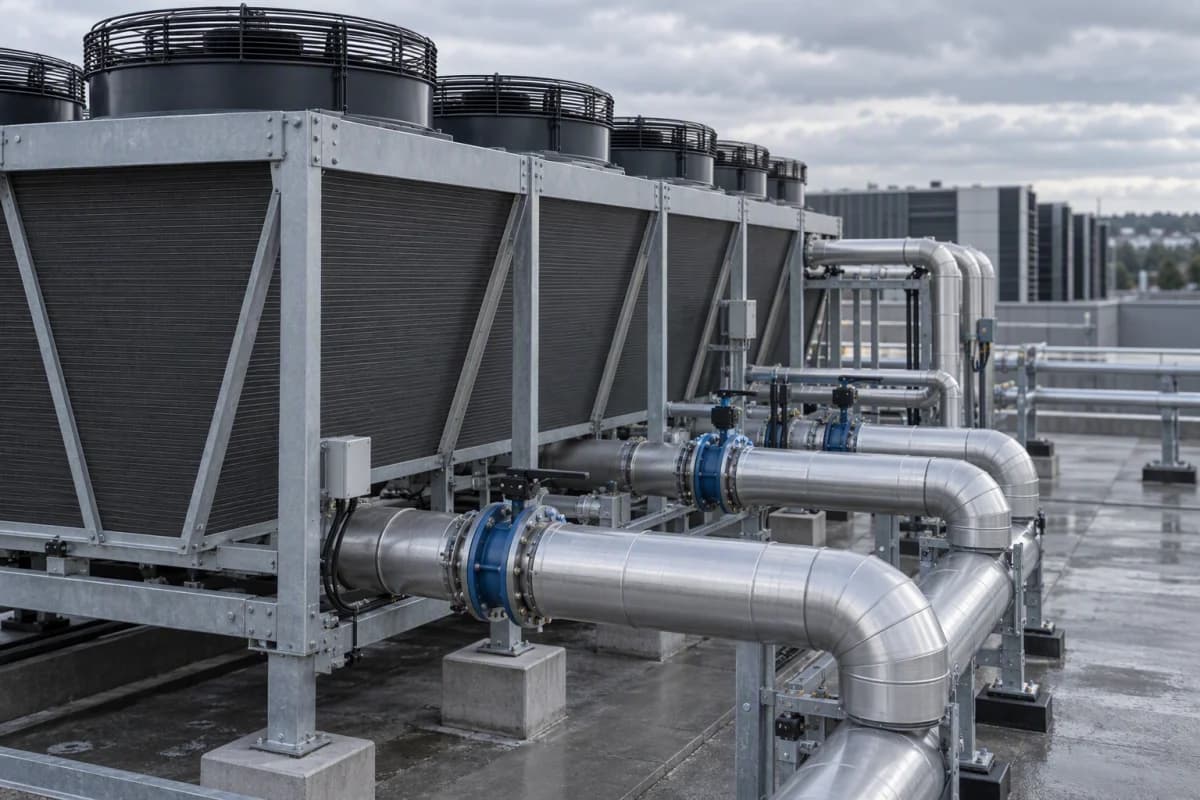
Warm-water cooling lets a facility reject heat without mechanical chillers. See what that shift does to the fluid, the loop and the materials in it.
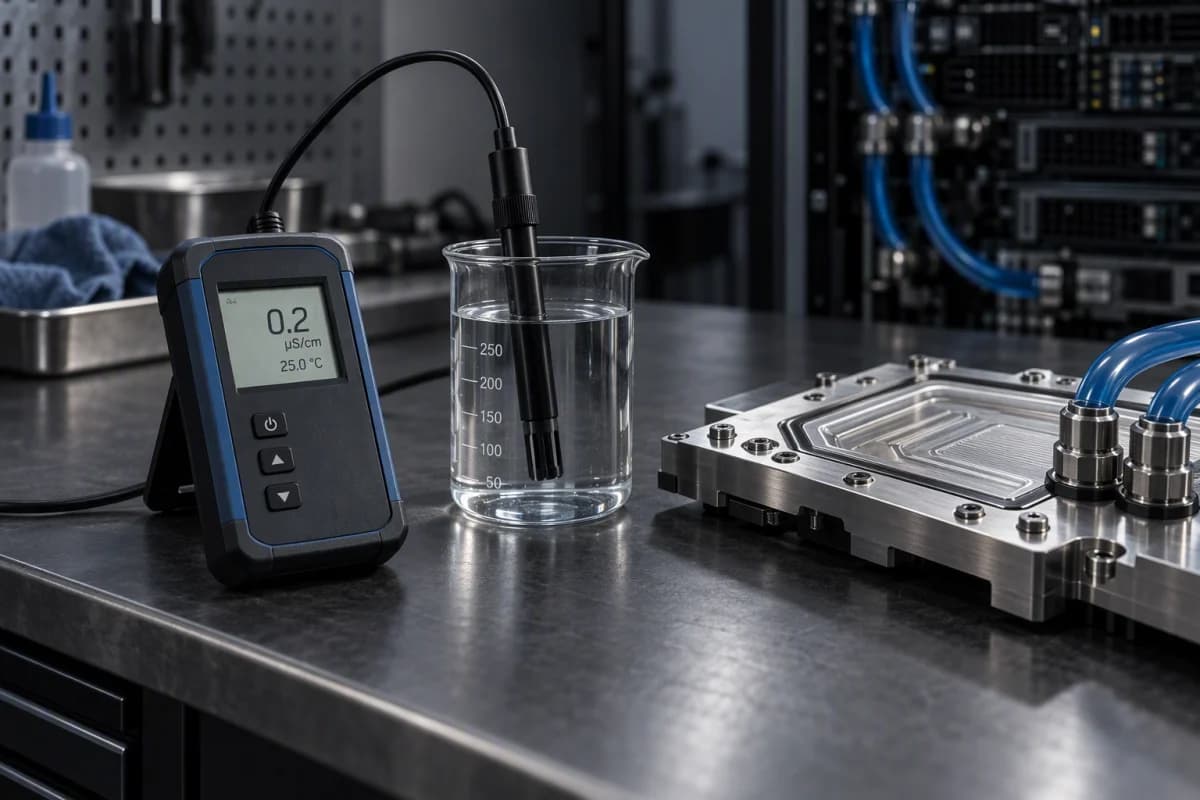
Conductivity in a data-centre loop is set by the additive package and the dilution water. See how a sub-1 µS/cm fluid is built and how to hold it there.
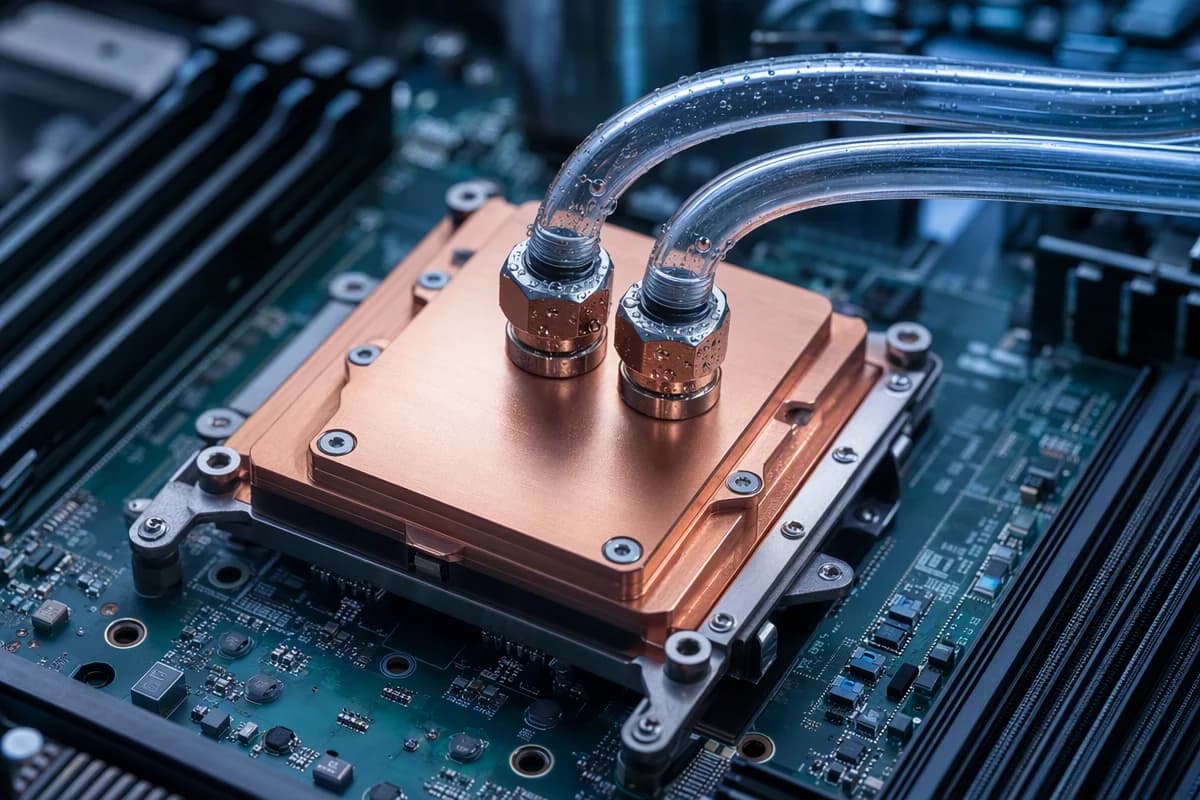
Direct-to-chip liquid cooling puts conductivity, materials and monitoring into the fluid specification. See which checks decide a data-centre coolant.
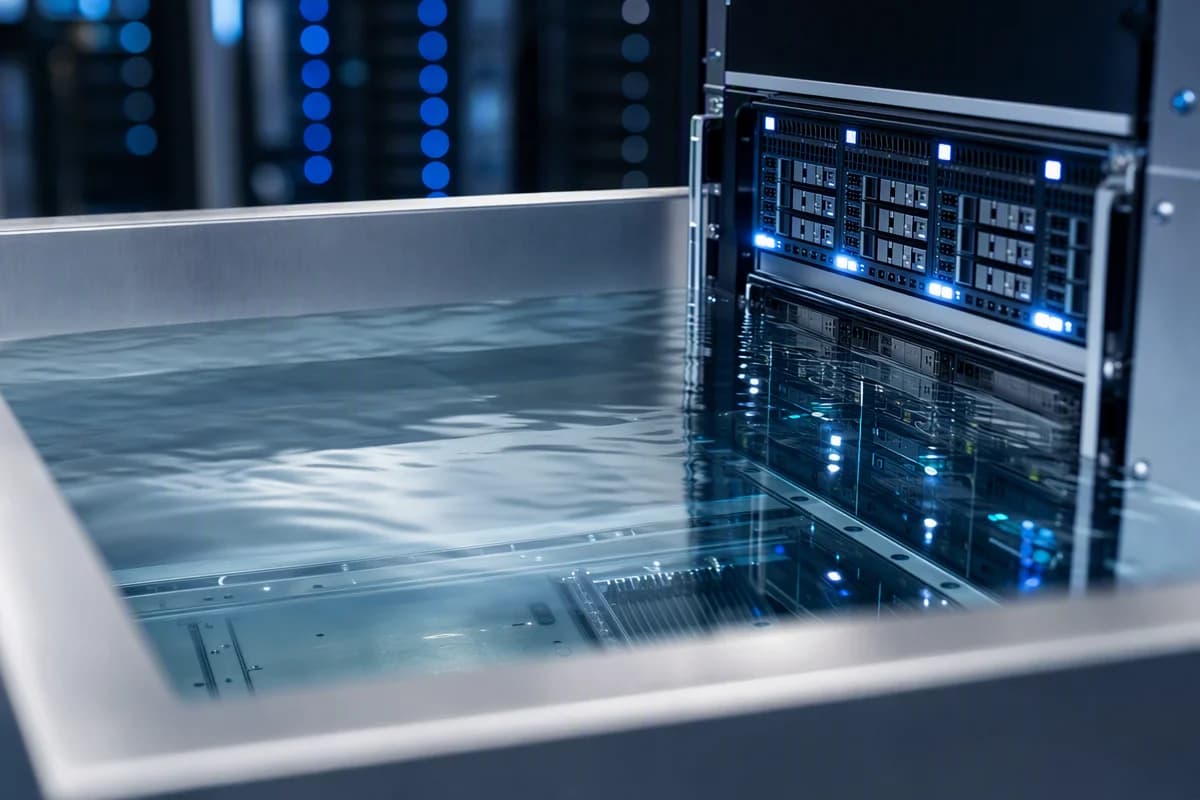
A dielectric fluid's datasheet leads with breakdown voltage, but pour point, viscosity, flash point and material compatibility are the properties that decide whether it works.
Separate indirect-loop, fluorinated and immersion fluid requirements for electronics cooling. Learn what to confirm before shortlisting LM-4, LM-14 or LM-17.