
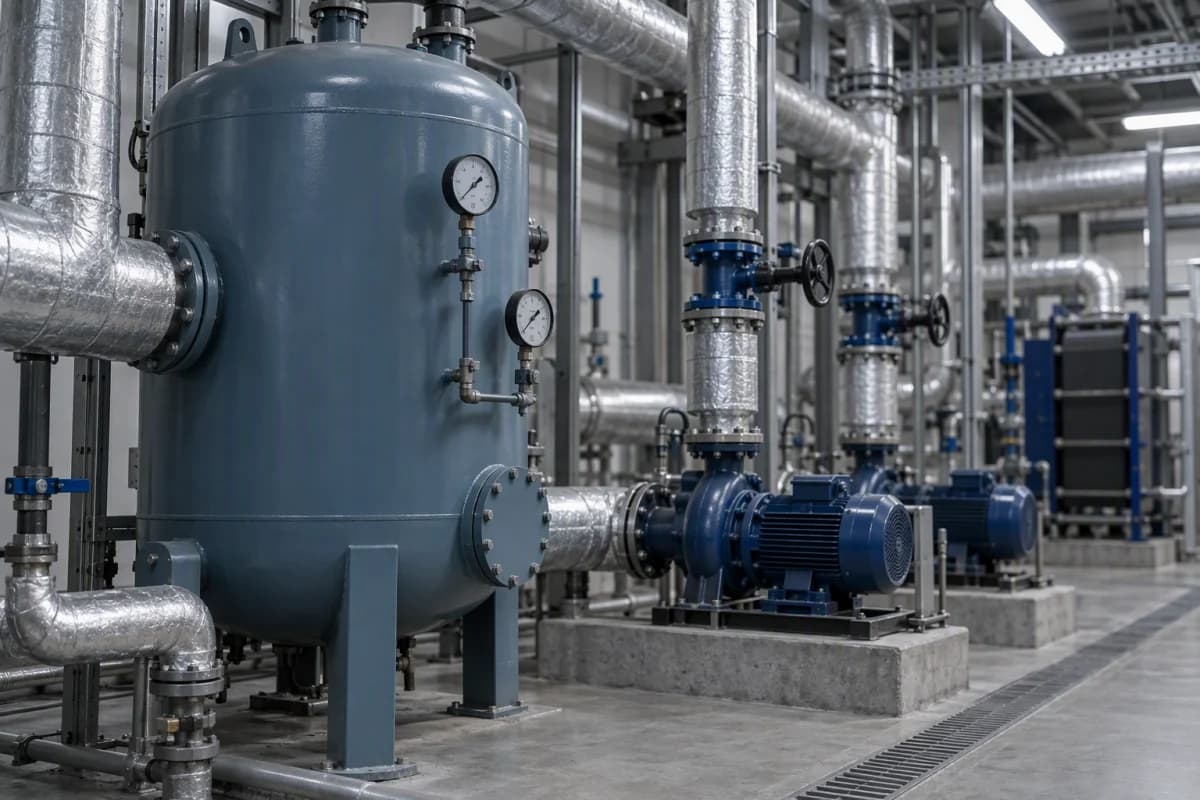
Process cooling
Why the refrigerant phase-down puts more secondary loops in your plant
As HFC quotas shrink, plants move to ammonia, CO2 and flammable refrigerants. Those gases stay in the plant room, so a secondary coolant carries cooling out.
THE GLACIER JOURNAL
Ideas, explanations and practical questions for the people behind thermal systems.
As HFC quotas shrink, plants move to ammonia, CO2 and flammable refrigerants. Those gases stay in the plant room, so a secondary coolant carries cooling out.
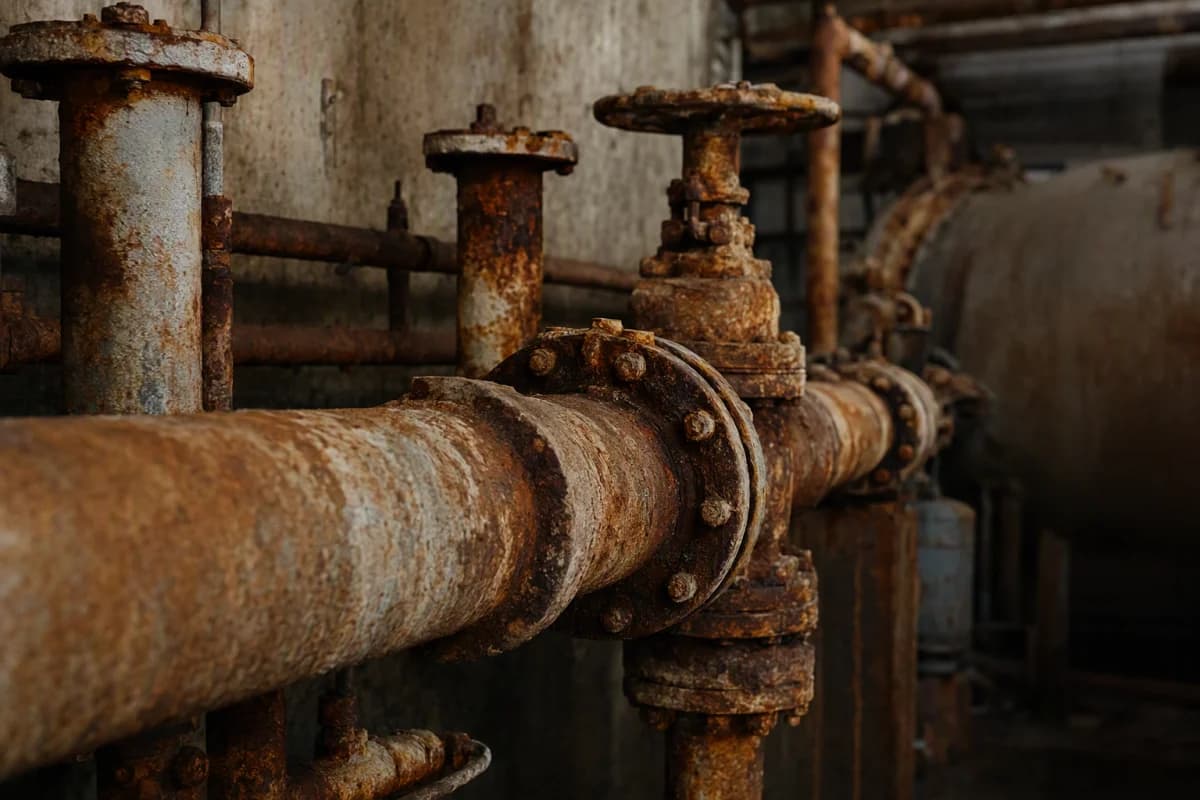
Calcium chloride brine is efficient and severely corrosive. Compare it with modern secondary coolants at the same freezing point, and see how inhibitor programmes work.
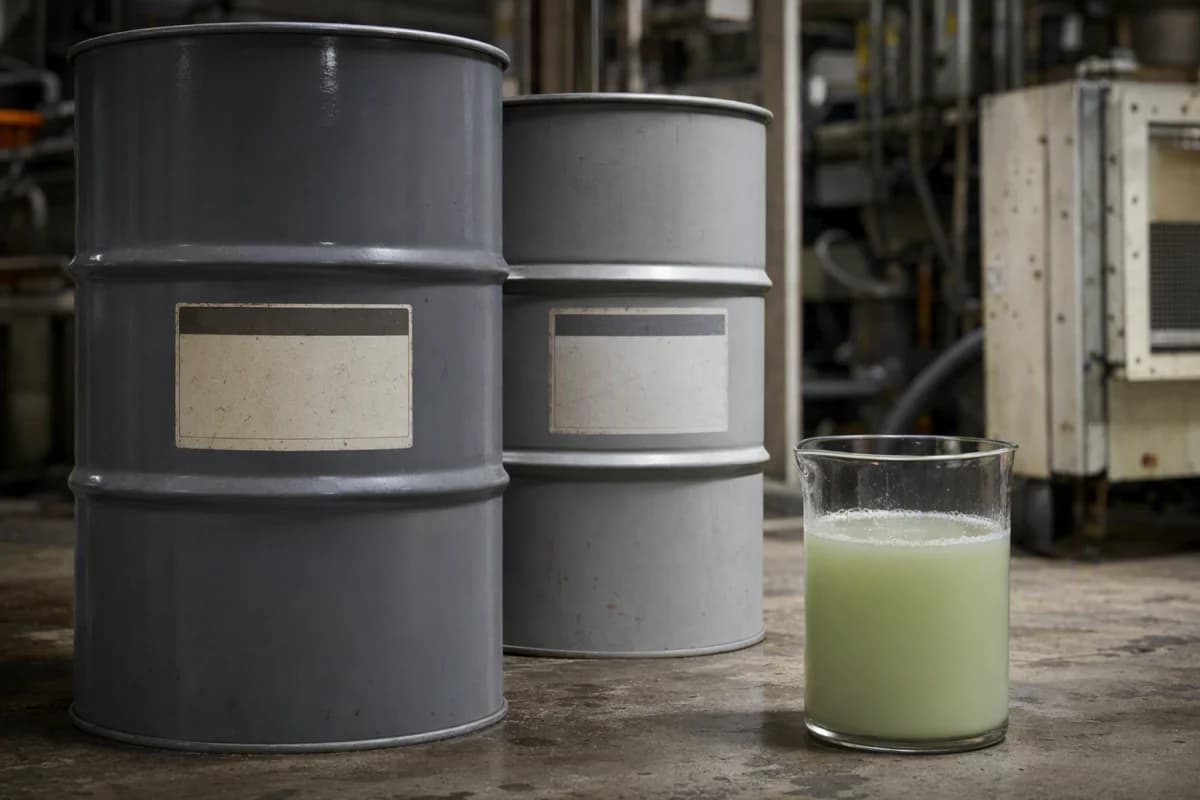
Mixing is prohibited across most Glacier families for a reason. See what blending does to inhibitor packages and what a correct top-up looks like.
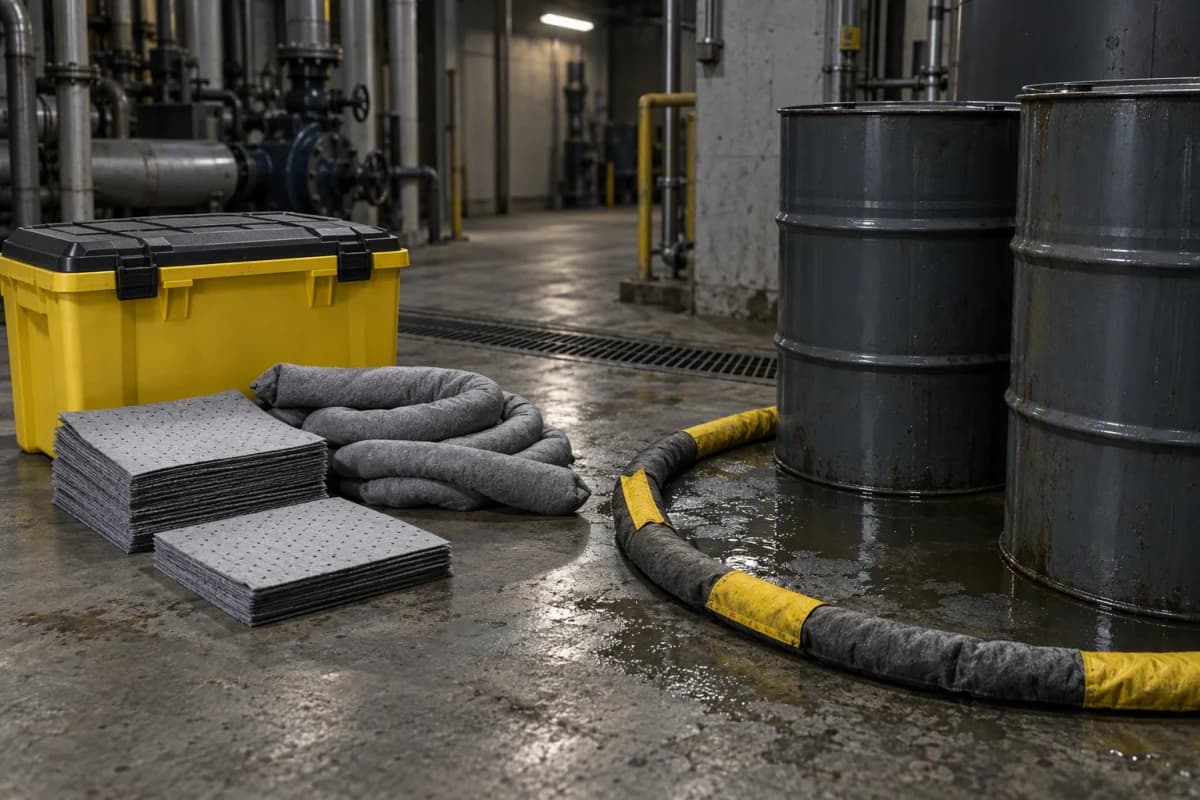
Not every heat transfer fluid responds to a spill the same way. See why one group is diluted with water and the other needs detergent, and what to check first.
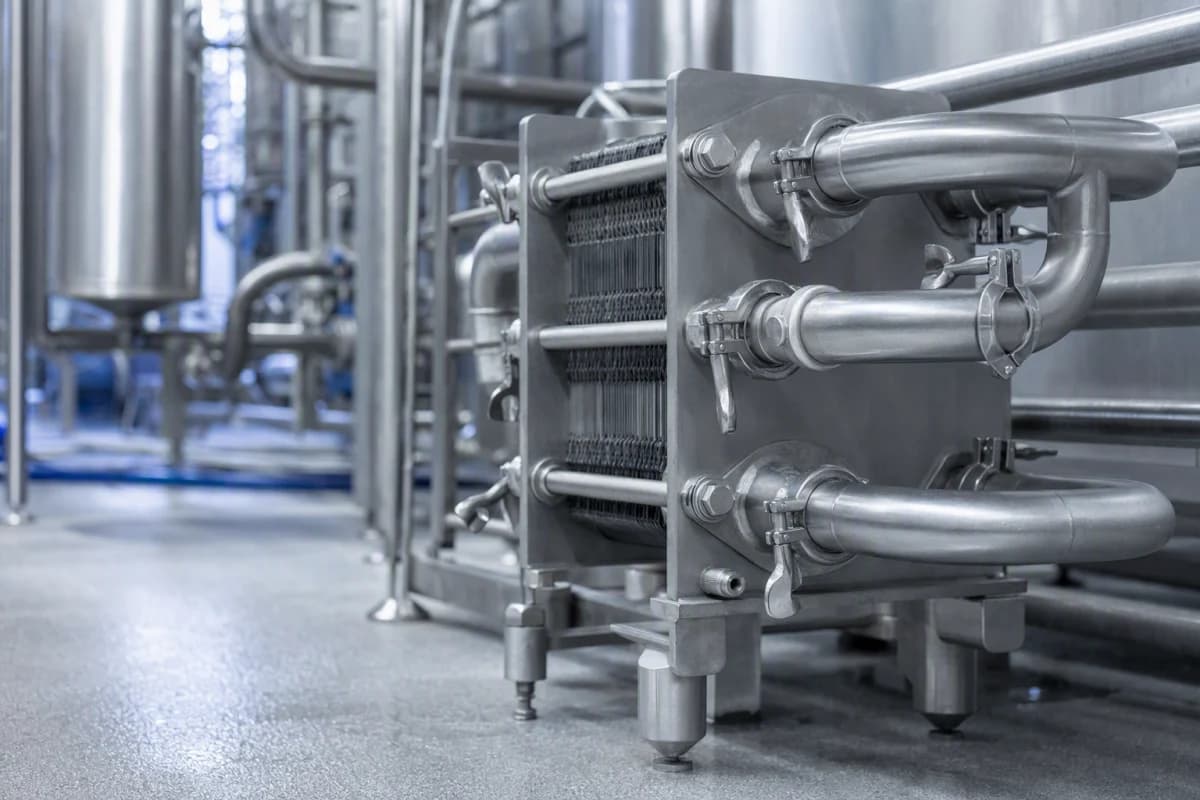
Food-industry duty and food-contact approval are separate questions. See which coolant families suit food and agricultural duty, and what to confirm first.
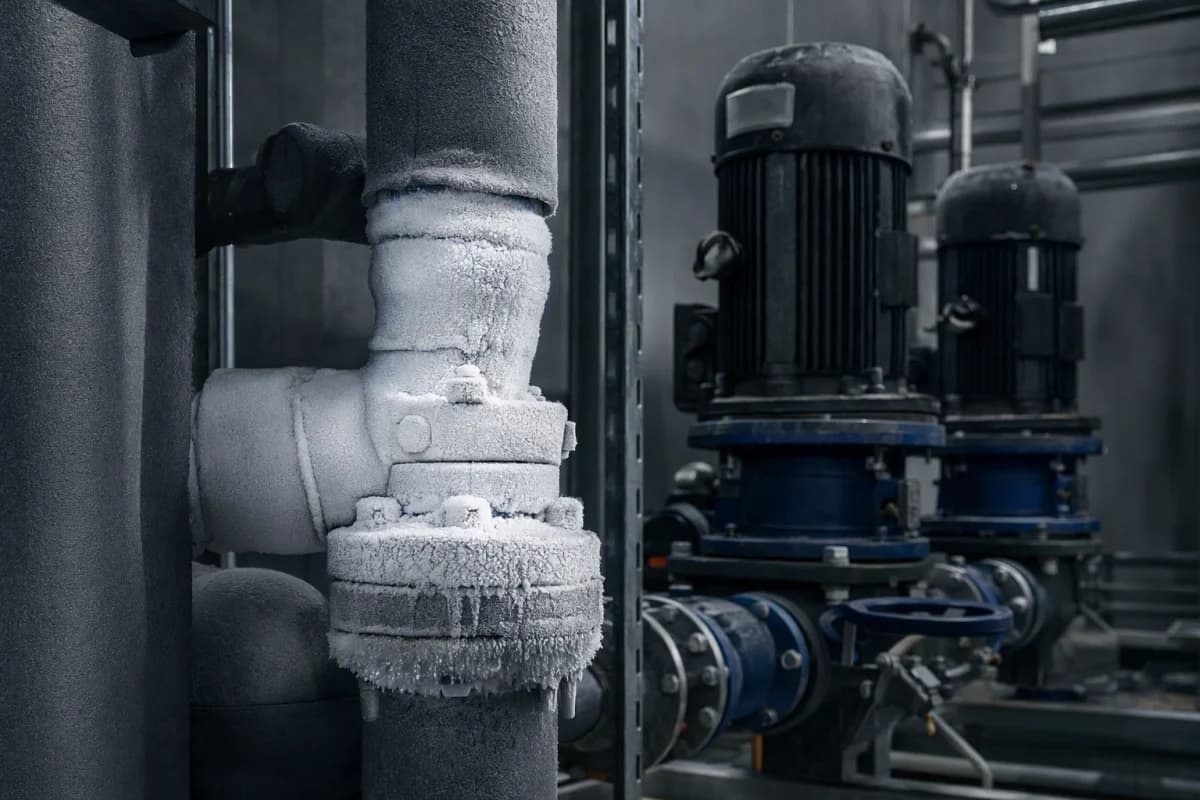
Cold storage loops are built around indirect secondary cooling. See how fluid choice, concentration and temperature drive pump sizing, materials and running cost.
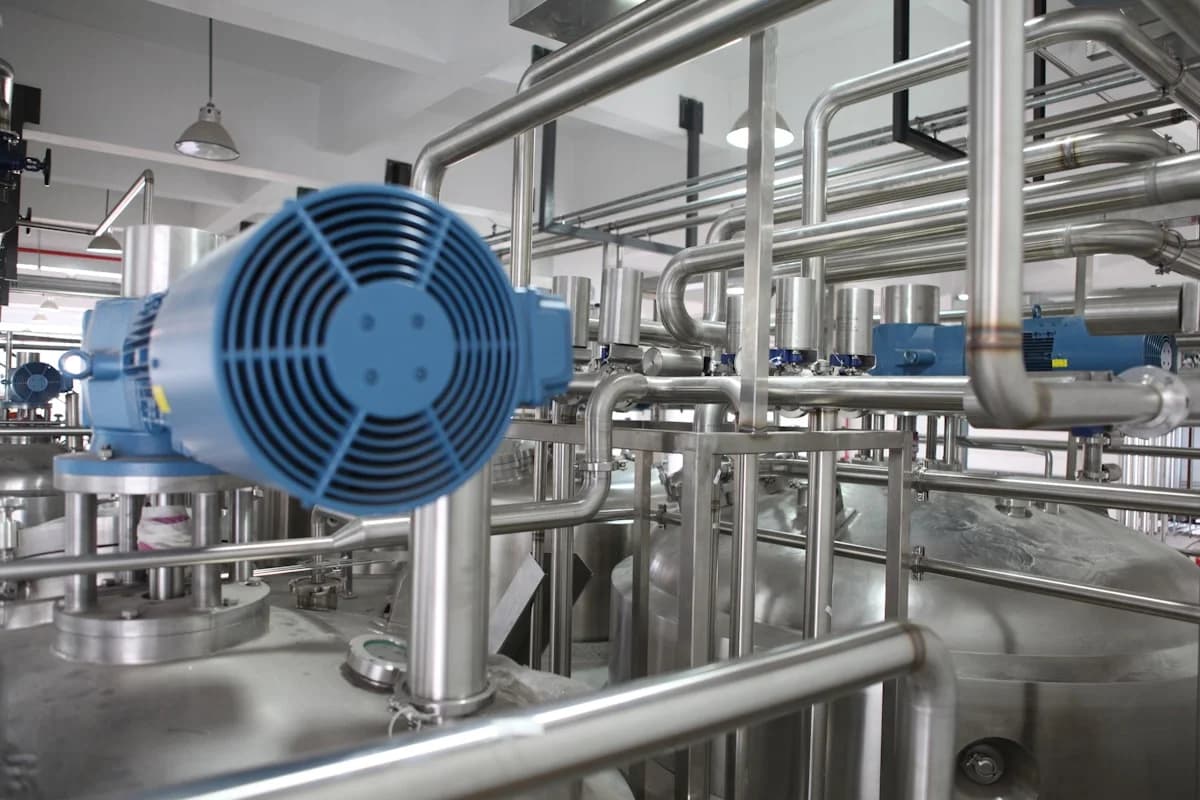
Anhydrous coolant families need a dry, closed loop, nitrogen protection and no mixing. What those three instructions mean — and what they do not specify.
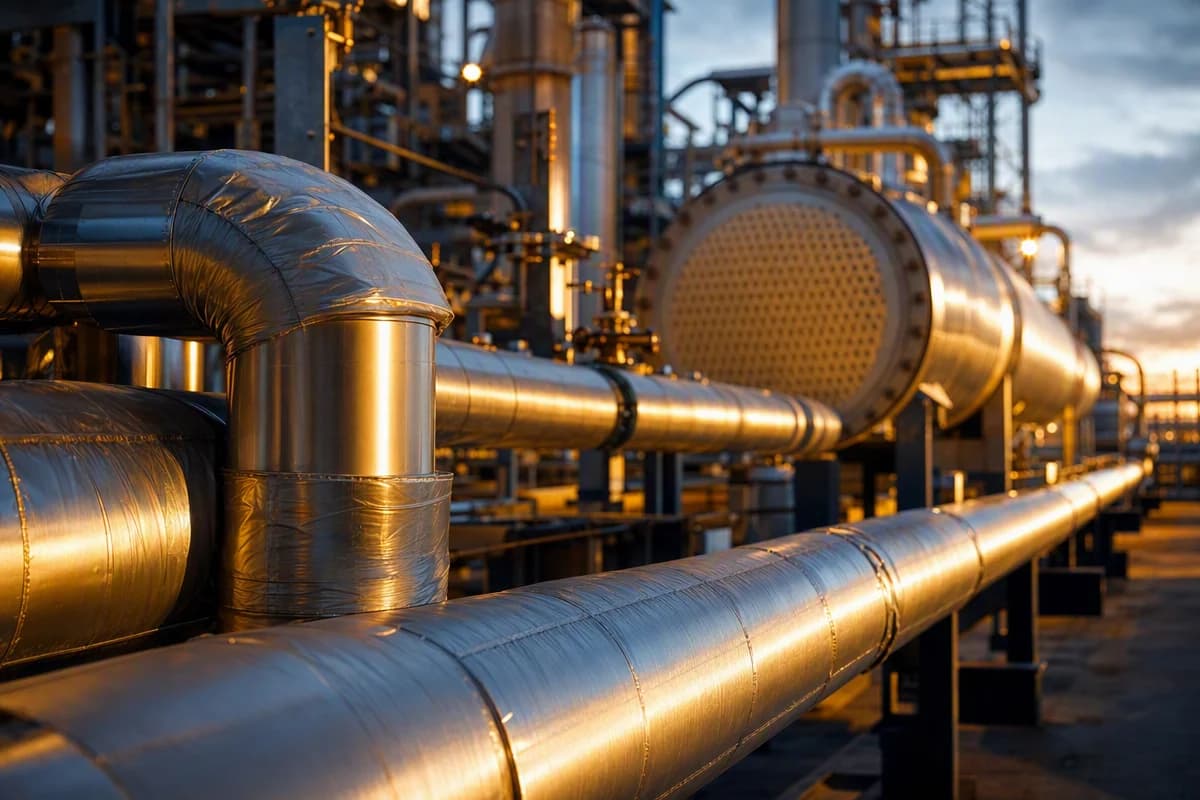
Industrial heat pumps are commercialised to about 200 °C. For processes above that, thermal oils and silicone fluids are still the default heat transfer route.
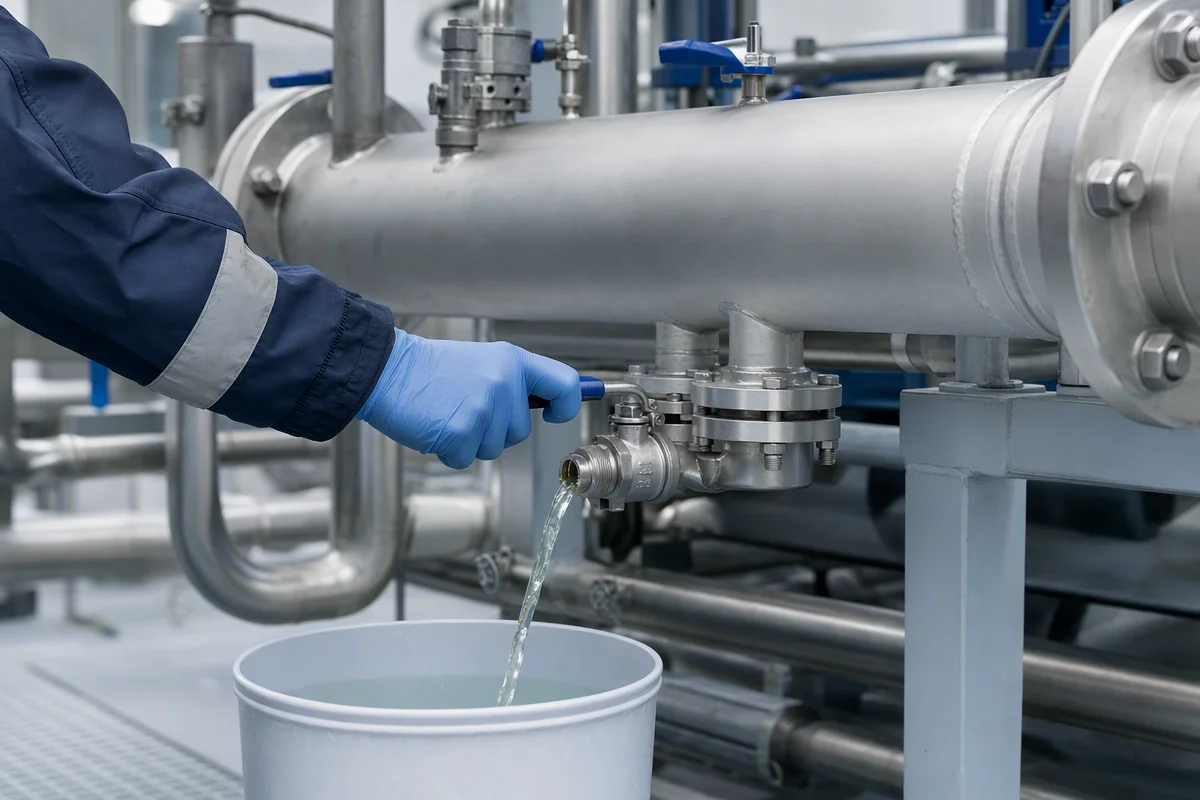
Changing a secondary coolant or thermal fluid is more than draining and refilling. Confirm compatibility, the cleaning method and the first monitoring window.
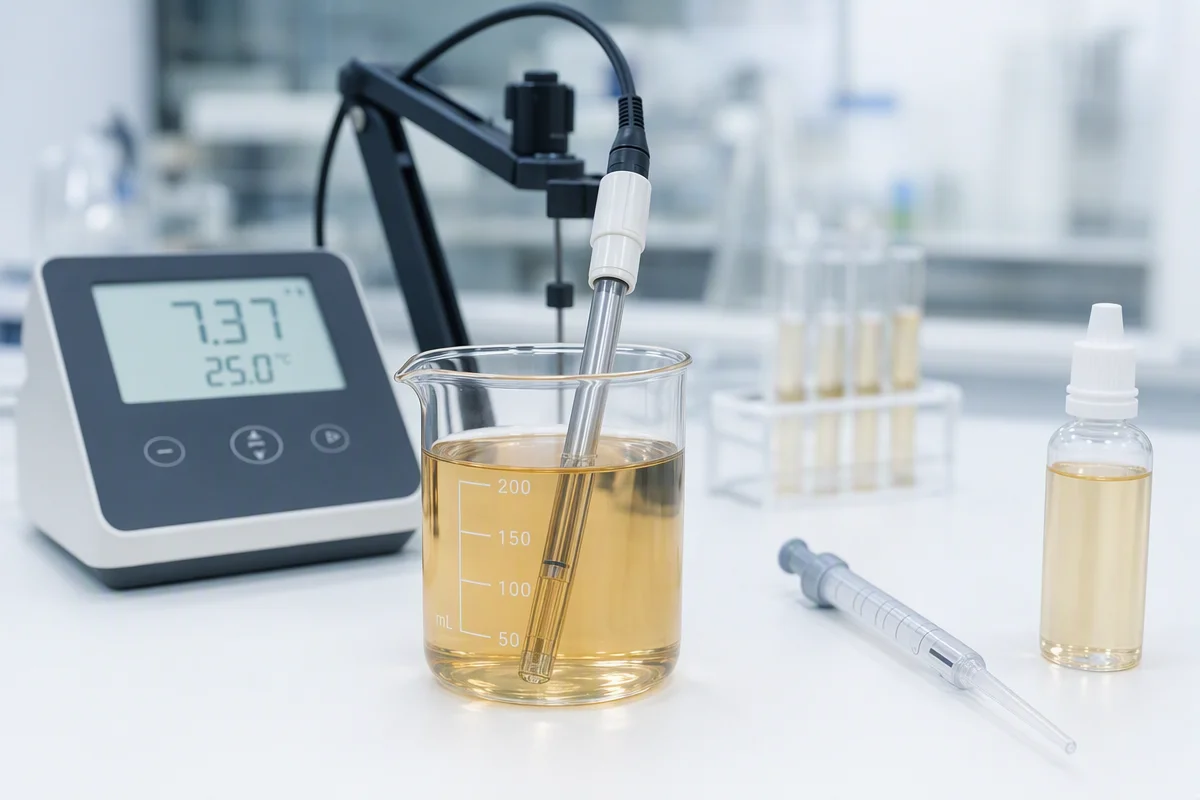
Published condemning limits for heat transfer fluids contradict each other. Learn how to read the trend, not the threshold, before deciding to change a charge.

Brine inhibitors, cooling-water treatment and alcohol-coolant additives follow different schedules. See what applies to each and what to confirm first.
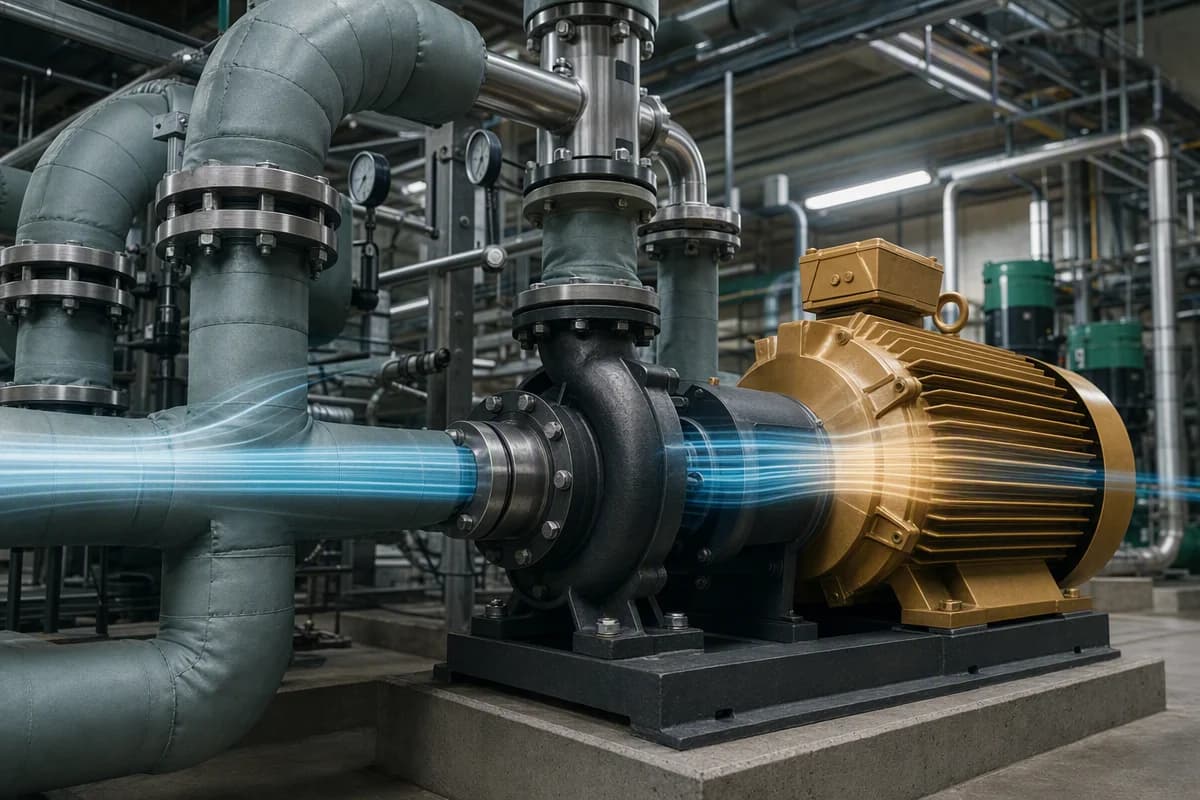
Low-temperature secondary coolants differ only slightly in volumetric heat capacity, yet their pumping demand can differ by an order of magnitude.
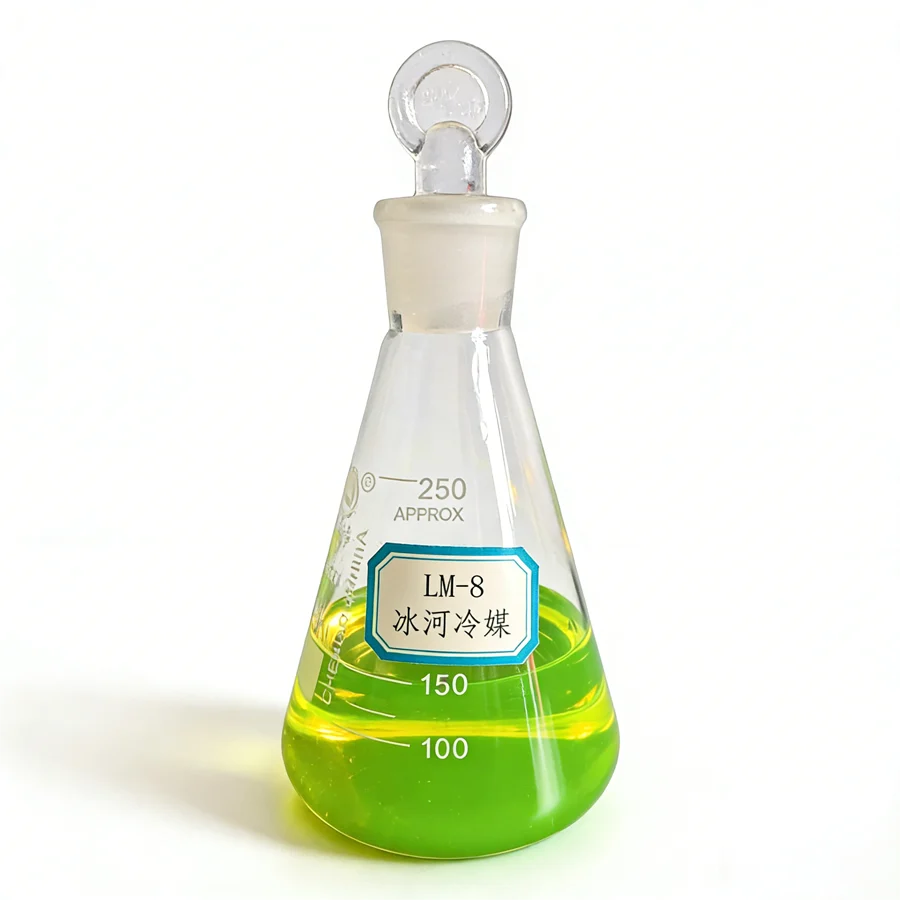
Compare Glacier LM-4 and LM-8 coolant families by chemistry, model selection, materials and documentation—not generic performance or safety assumptions.