Food-grade and agricultural secondary coolants: what the label does and does not mean
Food-industry duty and food-contact approval are separate questions. See which coolant families suit food and agricultural duty, and what to confirm first.
THE SHORT ANSWER
What you need to know.
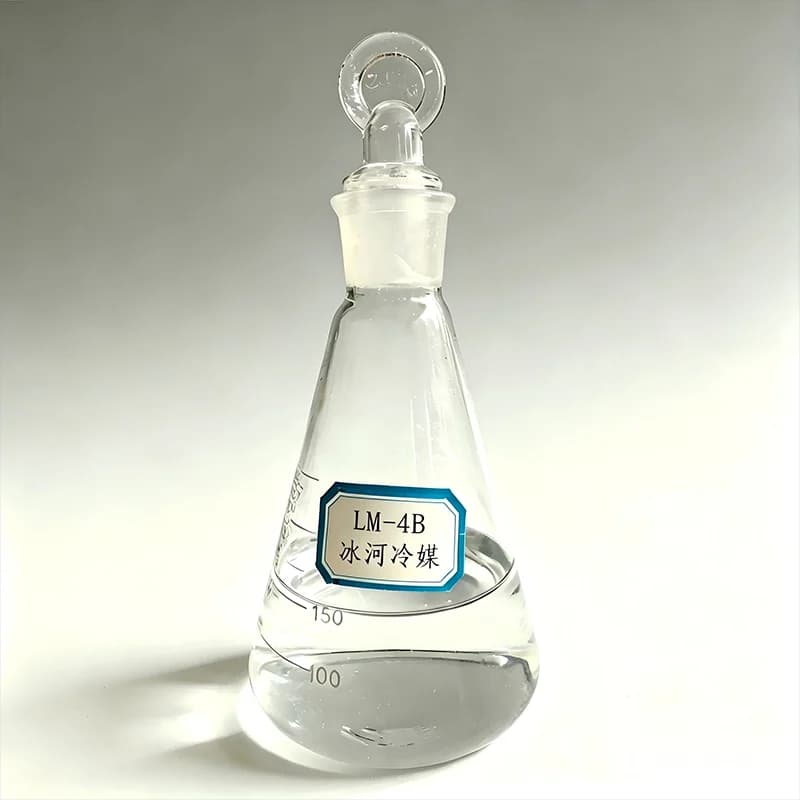
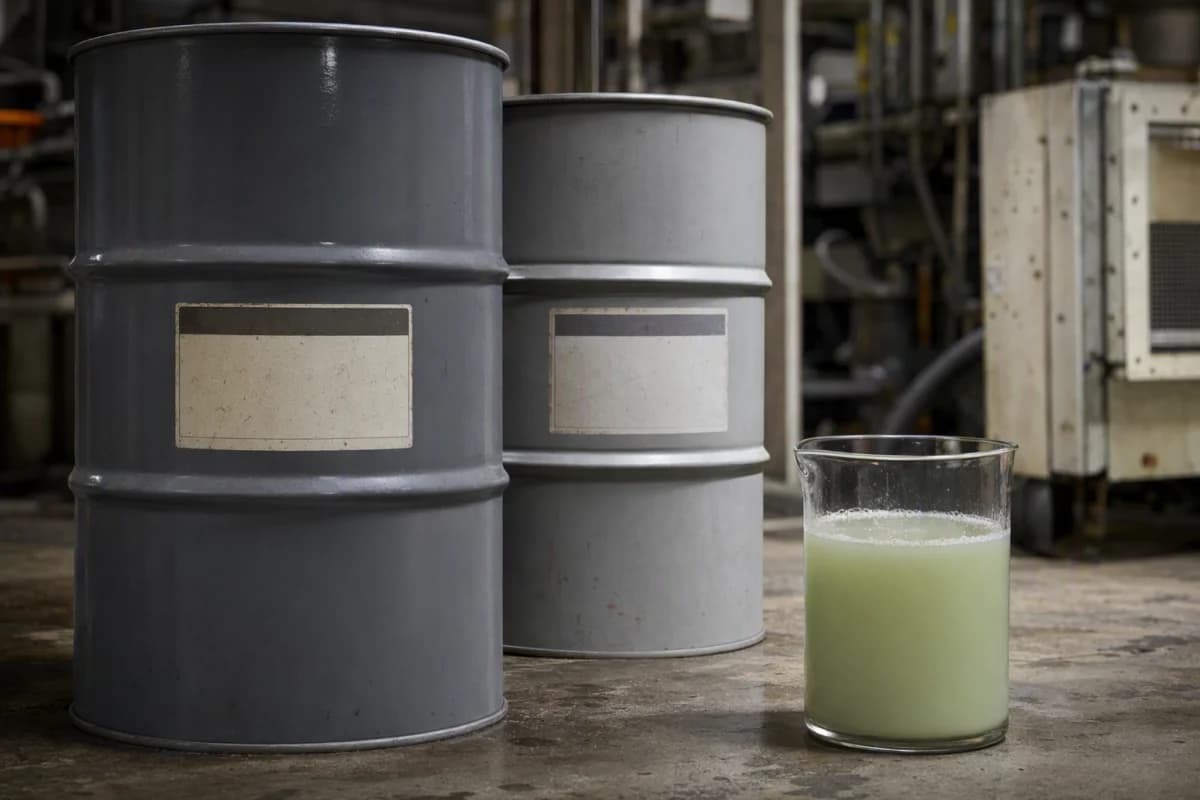
The food-relevant grade is LM-4B, described as a food-processing secondary coolant. That designation describes where the fluid is intended to be used, not the approvals it holds. The specification work is to confirm the exact model, the circuit architecture, and the certification documents your application and auditor require.
- 'Food-processing secondary coolant' describes intended application; food-contact approval is a separate, documented claim.
- Indirect circuits keep the fluid out of the product stream — that architecture is the primary safety argument, not the label.
- Confirm the current TDS, SDS and any food-safety certification for the exact model before specifying.
A label that answers one question and raises another
A maintenance manager searching for a coolant for a food plant usually starts with a phrase like "food grade coolant" and expects the results to settle the matter. The phrase is common, but it is not a defined category you can buy against.
The food-relevant grade is LM-4B, described as a food-processing secondary coolant. That is a statement about intended application. A second, separate statement accompanies it: food-industry duty and food-contact approval are separate questions.
Both statements are doing useful work, and confusing them is how a specification gets built on sand.
The safety argument is the circuit, not the chemistry
Before examining the fluid, look at the arrangement.
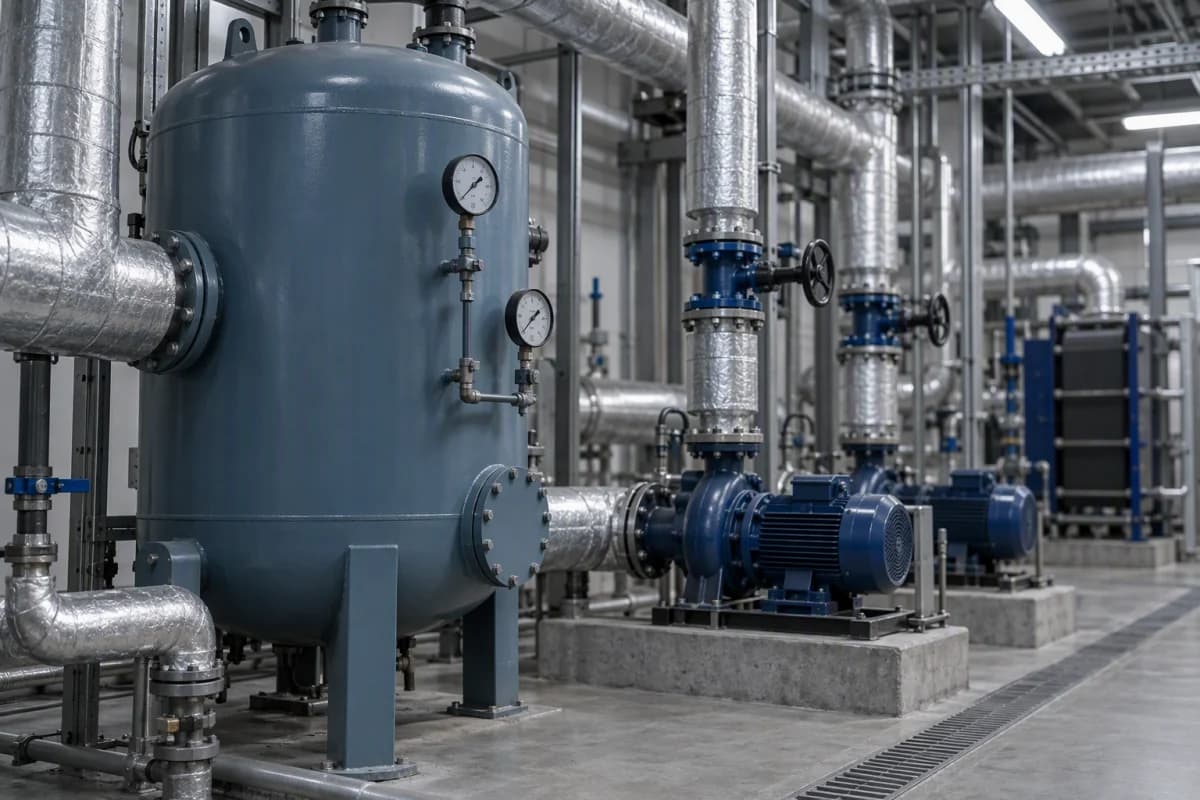
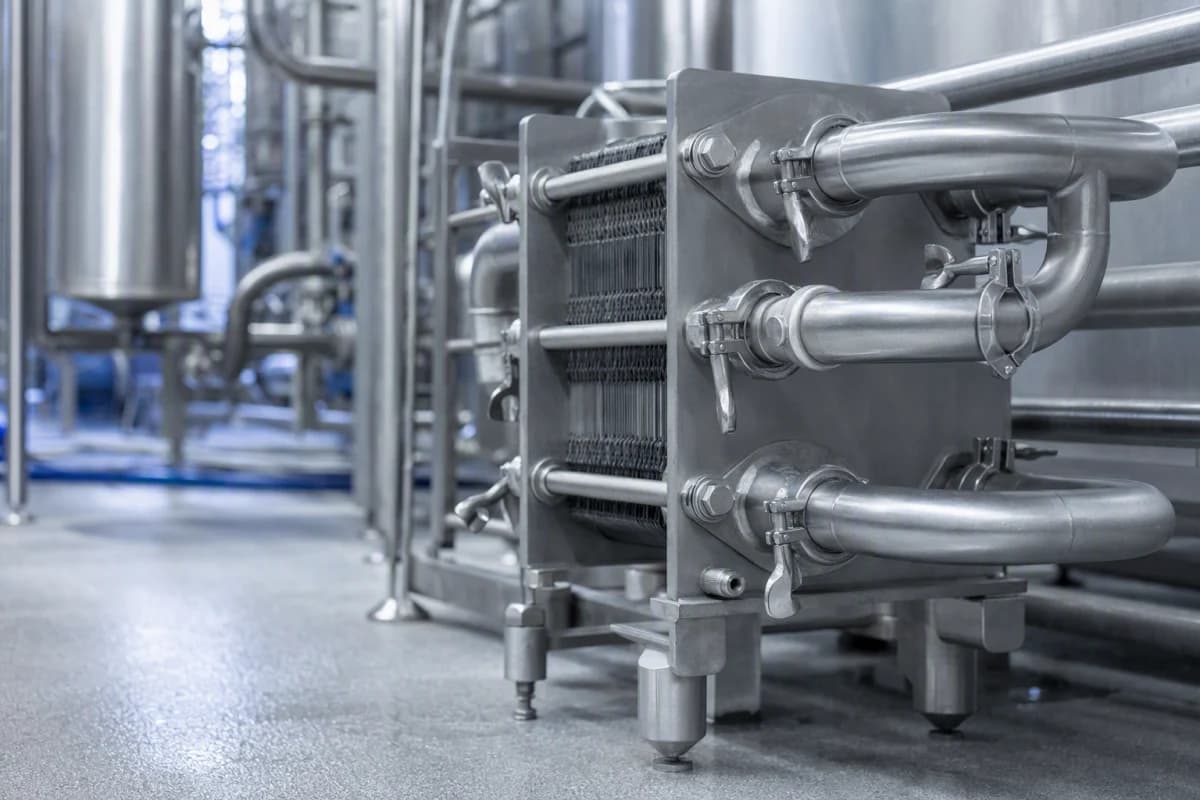
In a food or beverage plant, the refrigeration circuit is normally indirect. That means the primary refrigerant stays in the compressor loop, and a secondary coolant — your LM-4B or equivalent — circulates through a separate closed loop, picking up heat through a heat exchanger and delivering it to process equipment such as plate coolers or jacketed vessels. The product never meets the fluid.
That architecture is why a secondary coolant can be used around food at all. The safety case rests on the fluid being contained, with the containment verified by pressure testing, inspection and maintenance rather than by the choice of fluid alone. If a circuit is double-walled, or segregated by a further barrier, say so in your documentation — it is the strongest evidence you have.
This is a different question from the one answered by secondary coolant versus refrigerant, which is about which circuit you are specifying. Here the question is what the coolant must be able to demonstrate once it is in the loop.
What the food-processing grades are
The food-processing designation attaches to specific models, not to a whole product family. Broadly:
| Family | Description | Typical relevance to food and agriculture |
|---|---|---|
| LM-4B | Food-processing secondary coolant; modified ternary alcohols | Food-processing refrigeration and cold-chain systems |
| LM-4A | Application-tailored diol coolants | Industrial refrigeration, including processing support |
| LM-8A | Inorganic salt secondary refrigerant | Brine duty; freezing-point driven applications |
LM-4B is described as non-flammable, not readily volatile and of low toxicity, with a boiling point above 100 °C and a freezing point below −25 °C at working concentrations. It has corrosion protection for carbon steel, stainless steel and copper. Those are useful engineering statements — and none of them is a food-contact claim.
The documentation question you should settle early
If your site operates under a food-safety management system, the coolant will eventually sit in an audit. The questions an auditor is likely to ask are predictable:
- Which exact model is in the loop, and what is the current technical data sheet for it?
- What safety data sheet applies, and is the revision current?
- What is the concentration, and how is it monitored and recorded?
- What prevents product contact — what is the circuit architecture, and how is it verified?
- What approval or certification documentation is held for this application?
Most of those can be answered from your own records plus the current TDS and SDS for the model. The last one is the one that depends on the supplier, and it is the one worth raising before you specify rather than after.
For the concentration and monitoring parts, the underlying mechanics are the same as any inhibited aqueous loop — see how much glycol to add and coolant maintenance.
Agricultural duty is a different question
Cold-chain and food-processing systems are not the only "food" applications a coolant gets asked to serve. Vineyard frost protection, ground-source heat pump loops, and agricultural chilling are frequently grouped under the same search phrase, and they behave differently.
A ground loop brings in questions a process loop does not: what may legally circulate in a ground heat exchanger in your jurisdiction, how the fluid is diluted, what happens on a leak, and how the loop is decommissioned. A crop-frost system raises the replacement and containment questions of an open agricultural installation.
The food-processing description covers processing and cold-chain systems. For agricultural or ground-loop duty, treat the application as its own specification and confirm against your local requirements and the exact model, rather than reading the food-processing designation across to it.
Where to take this next
Three things to settle before you specify: which exact model, which circuit architecture, and which documents your site requires.
The food and cold-chain solution page sets out the two thermal challenges this sector divides into — processing systems and stored cooling energy — and the technical documentation request is the route to the current TDS, SDS and supporting information for a specific model. Bring the application, the temperatures and the circuit description with the request.
If your requirement is stored cold rather than circulating cooling, the relevant products are the phase-change families rather than a secondary coolant — see choosing a phase-change material for cold-chain temperature control.
QUICK CLARIFICATIONS
Common questions.
Does 'food-processing secondary coolant' mean the fluid is food safe?
Not on its own. LM-4B is described for food-processing secondary refrigeration systems, and the two claims are different: one describes the application the fluid is intended for, the other would require supporting certification. Confirm which documents your site and your auditor require, and request them for the exact model.
What is the difference between a primary refrigerant and a secondary coolant in a food plant?
The primary refrigerant circulates in the compressor circuit and changes phase; the secondary coolant circulates through the process-side loop and carries heat to the heat exchanger without changing phase. Food-plant loops are usually indirect, which means the coolant stays inside a closed circuit and never contacts the product. That architecture is the main reason a secondary coolant can be used around food at all — see the circuit distinction explained in the secondary coolant versus refrigerant guide.
Can I use a standard industrial glycol in a food plant?
The food-processing family is separate from general industrial grades, so the answer is to select from the food-processing range rather than to assume a general-purpose coolant is suitable. The specific formulation matters, as does the circuit architecture and the documentation your site requires. Confirm the exact model and application with the supplier rather than substituting between families.
What about frost protection for crops, or ground-source loop systems?
Those are agricultural and ground-loop duties rather than food-processing duties. The relevant questions are different: soil and groundwater contact, dilution practice, the temperature the loop must reach, and local regulation on what may circulate in a ground loop. The food-processing description covers processing and cold-chain systems; an agricultural application should be confirmed against your local requirements and the exact model.
CHECK THE SOURCE
References & scope.
- Glacier catalogue — LM-4B food-processing secondary coolant: properties, use and concentration-dependent values, including Table 7 (printed page 17)
- Glacier catalogue — LM-8A inorganic salt secondary refrigerant (printed page 22)
Obtain the relevant TDS, SDS and technical approval before use.
How we prepare our content