Choosing a phase-change material for cold-chain temperature control
Learn how to specify cold-chain phase-change materials using temperature targets, freezing and melting behaviour, containment and model-specific evidence.

THE SHORT ANSWER
What you need to know.
Choose a cold-chain phase-change material around the product’s required temperature band and the complete storage or transport design. A PCM stores and releases thermal energy through phase change; its freezing and melting temperatures are separate from the operating range of a circulating coolant.
- Start with the protected product’s temperature limits and required duration.
- Keep freezing temperature, melting temperature and circulation limits separate.
- Validate containment and the complete pack or storage system, not only the material.
Begin with the protected product
Before choosing a material grade, state the temperature conditions required by the goods being transported or stored. Include the acceptable band, duration, initial condition and expected environment. Without those details, a grade name or latent-heat figure cannot define a complete solution.
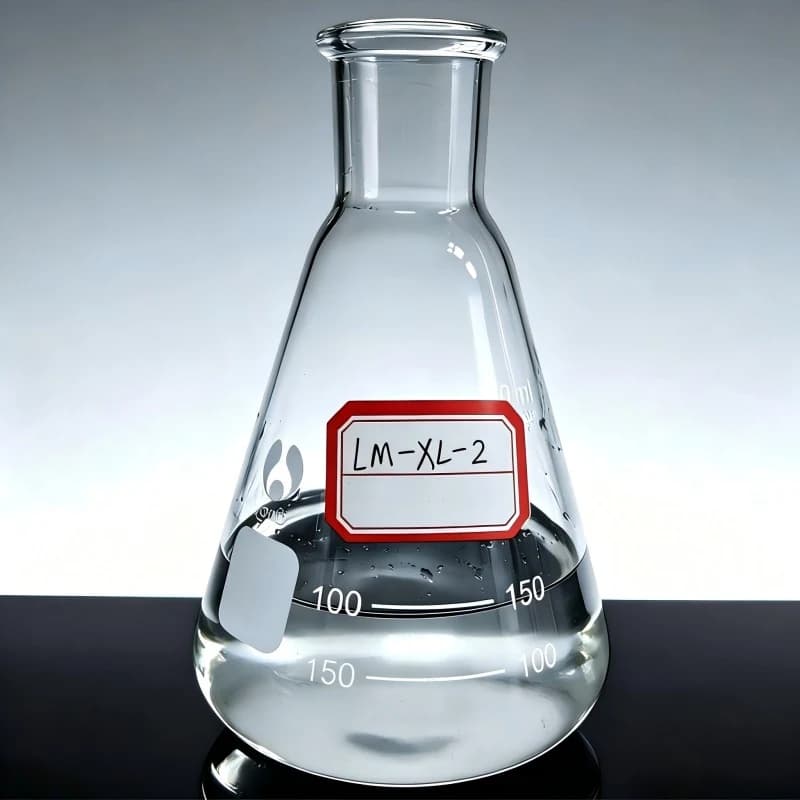
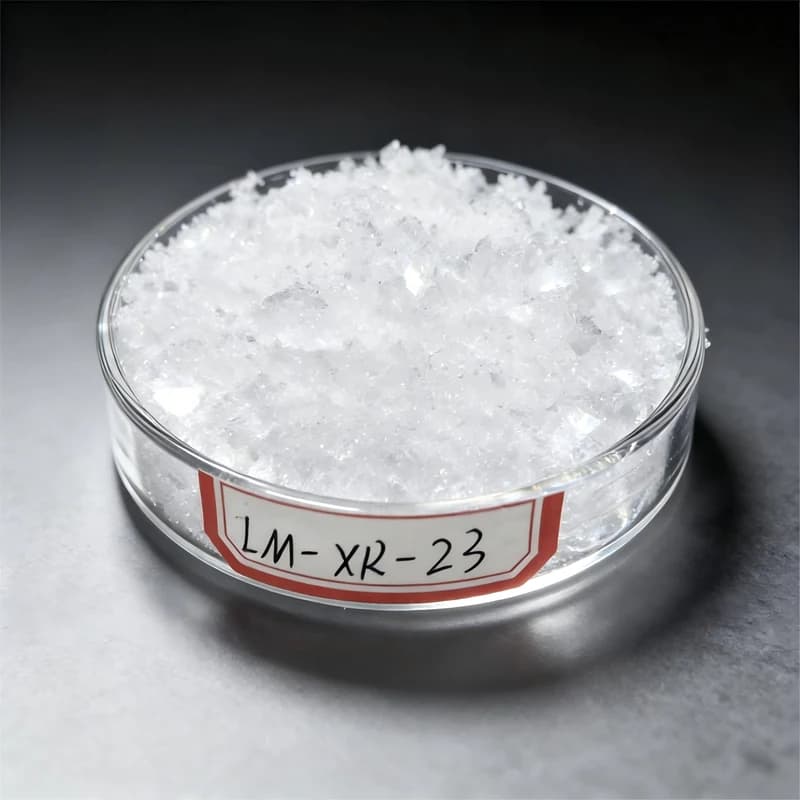
The two phase-change families are separated: LM-XL cold-storage materials and LM-XR thermal-storage materials. Both are discussed in terms of phase change, not as a universal circulating-fluid replacement. The relevant grade depends on the intended temperature target and application design.
Do not infer direct food or pharmaceutical contact approval from a cold-chain use case. Confirm the containment arrangement and the documentation needed for the exact use.
Keep the temperature terms separate
A PCM stores cooling by melting: while the solid turns to liquid it absorbs heat at a nearly constant temperature, which is what makes melt cooling useful where the product cannot tolerate a temperature swing. A PCM exchanges stored thermal energy as it changes phase. Its freezing and melting references may differ. A nominal grade is therefore not a promise that every point in a package or storage space will remain at that temperature for a specified duration.
| Term | What to clarify |
|---|---|
| Product temperature band | What the transported or stored goods must remain within. |
| Freezing reference | The reported freezing condition for the selected material. |
| Melting reference | The reported melting condition, which may differ from freezing. |
| Charging conditions | How the material is prepared before use. |
| Required duration | How long the complete system must maintain the specified conditions. |
The product pages keep phase-change materials out of circulation-temperature filters. This avoids presenting a storage-material grade as though it were an approved pump-loop operating range.
Evaluate the complete storage format
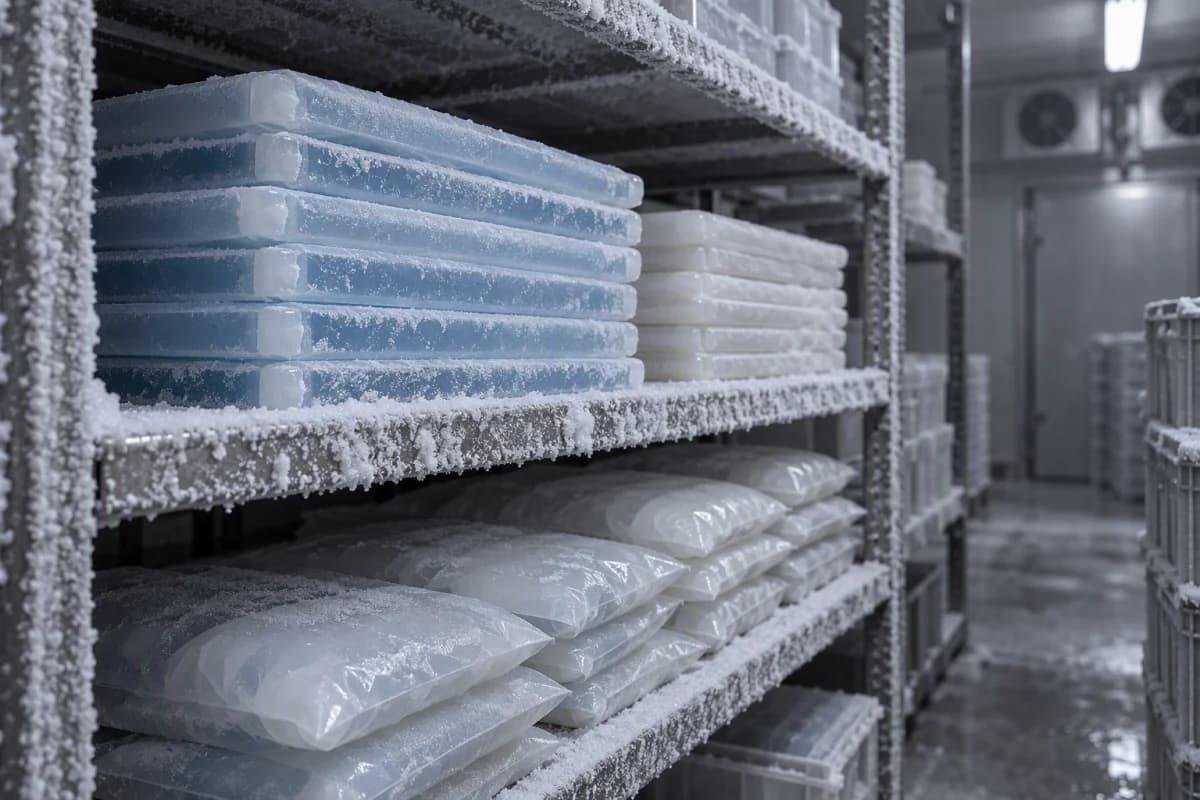
Discuss the selected material together with its containment, quantity and placement. Ask what package or storage configuration will be assessed, how the initial condition is established and what thermal cycle is expected. If the application uses an encapsulated format, request confirmation that the proposed enclosure and material are suitable together.
The data covers the material, but it does not validate every possible logistics package. An application should be tested against its own required temperature profile rather than inheriting a holding-time promise from an unrelated design.
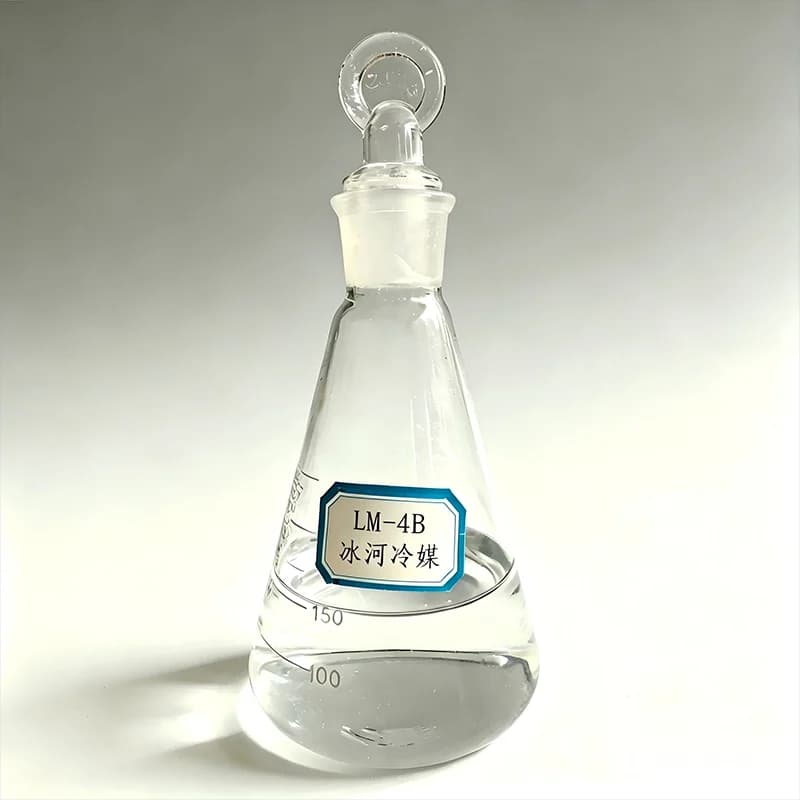
For food processing that uses a separate circulating loop rather than PCM packs, LM-4B is a different discussion. The food and cold-chain solution route distinguishes process cooling from thermal storage so those requirements are not merged.
Ask for grade-specific evidence
Request the current material information, reported phase-change temperatures, latent-heat data and any available cycling evidence for the exact grade. Clarify the methods and conditions behind the reported figures. Where older information and current data differ, ask for a written resolution rather than selecting the more attractive number.
Additional grades mentioned on the original website are not added to the current tables. A clear boundary is kept between confirmed references and options that still require documentation. A supplier conversation can investigate an additional target temperature without pretending that it is already an approved specification.
Prepare a validation-ready brief
Include the goods, temperature band, route or storage duration, environmental assumptions, available space and containment requirements. State whether the material is intended for single or repeated use and what evidence your quality team expects.
Then discuss the application with Glacier, requesting a confirmed grade and an agreed evaluation plan. The useful outcome is not simply a material name. It is a documented match between a grade, a storage format and the conditions the complete system must maintain.
QUICK CLARIFICATIONS
Common questions.
Is a PCM the same as a secondary circulation coolant?
No. LM-XL and LM-XR are phase-change storage materials. They should not be substituted for a circulating-fluid formulation without an explicitly approved system design.
Does a suitable phase-change temperature guarantee transport hold time?
No. The complete application—including the quantity of material, packaging, initial conditions and transport environment—needs to be evaluated and validated for the intended temperature profile.
CHECK THE SOURCE
References & scope.
- Glacier catalogue — LM-XL cold-storage phase-change materials
- Glacier catalogue — LM-XR thermal-storage phase-change materials
Obtain the relevant TDS, SDS and technical approval before use.
How we prepare our content