Cold-plate cooling fluids: what to confirm in a water-glycol loop
Direct-to-chip liquid cooling puts conductivity, materials and monitoring into the fluid specification. See which checks decide a data-centre coolant.
THE SHORT ANSWER
What you need to know.
A direct-to-chip loop circulates a water-dilutable coolant close to electronics, so the specification has to cover more than temperature range. Conductivity, dilution water quality, the full wetted-material list, monitoring intervals and equipment approval all decide whether a fluid is usable. Confirm each against the exact model, because data-centre variants within one family differ.
- Conductivity belongs to the installed fluid, not to a product name on a datasheet.
- Data-centre variants are separate models with their own temperature range and metal list.
- Immersion and indirect-loop duty take separate fluid specifications.
The loop decides the fluid question
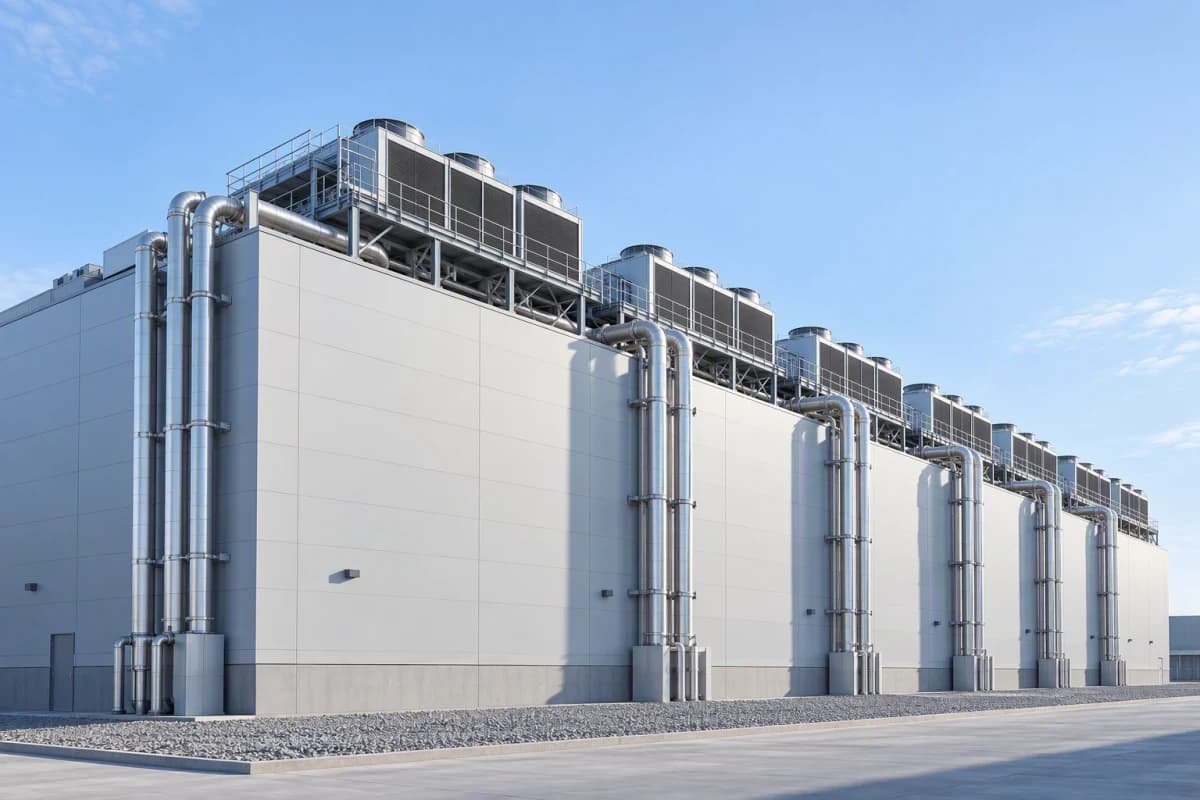
Direct-to-chip cooling has moved from a specialist option to the default answer for high-density racks. Adoption estimates for liquid cooling have climbed from low single digits in 2021 towards roughly a third of new capacity in 2026, and cold-plate designs account for the majority of that. The consequence for procurement is unglamorous but real: thousands of litres of water-dilutable coolant now sit inside, or immediately beside, equipment whose replacement cost dwarfs the fluid.
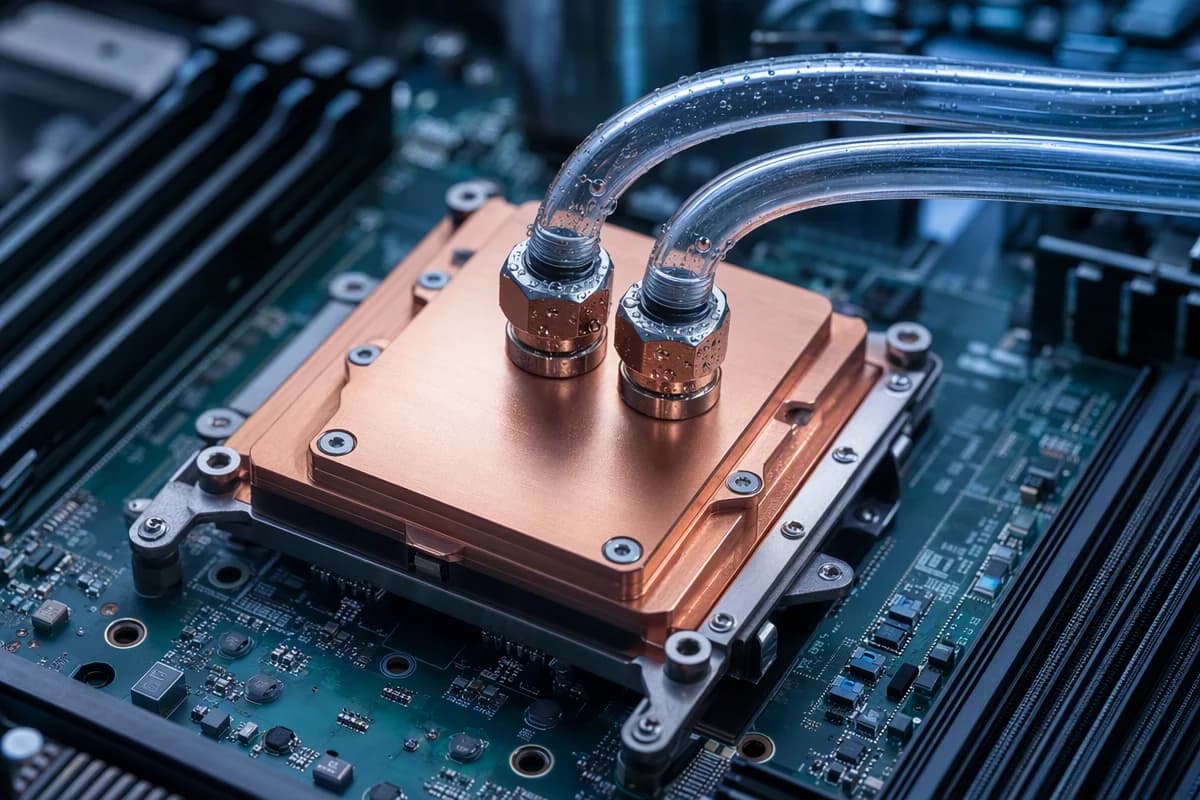
That changes what a fluid specification has to contain. Temperature range is still the first filter, but it is not the deciding one. The electronics cooling solution page sets out the three architectures; the routine case is the single-phase cold-plate loop, and the question is what to confirm before shortlisting a fluid.
Conductivity is a system property, not a headline
Low conductivity is a genuine requirement in these loops, because a leak near live electronics is the failure mode everyone is trying to design out. It is also the property most often misused in a comparison.
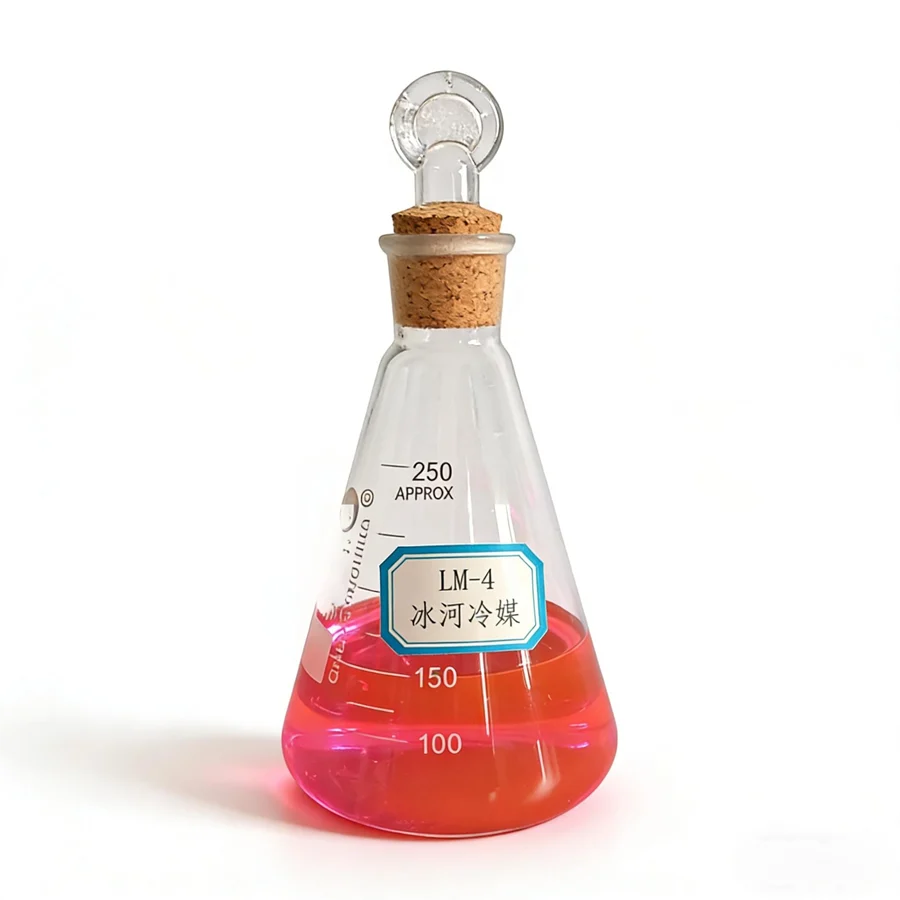
The LM-4 family is a modified-diol, water-dilutable range. Within that family, two formulations are described specifically for reduced conductivity. LM-4D is described as using multi-functional organic non-ionic additives and eliminating inorganic salts including nitrogen, phosphorus and silicon, with a reference value below 1 μS/cm for the stock solution at 20°C and below 5 μS/cm at 50% dilution. LM-4D-YE is described as replacing inorganic salt components with non-ionic additives to reduce conductivity and improve resistance to electrochemical corrosion.
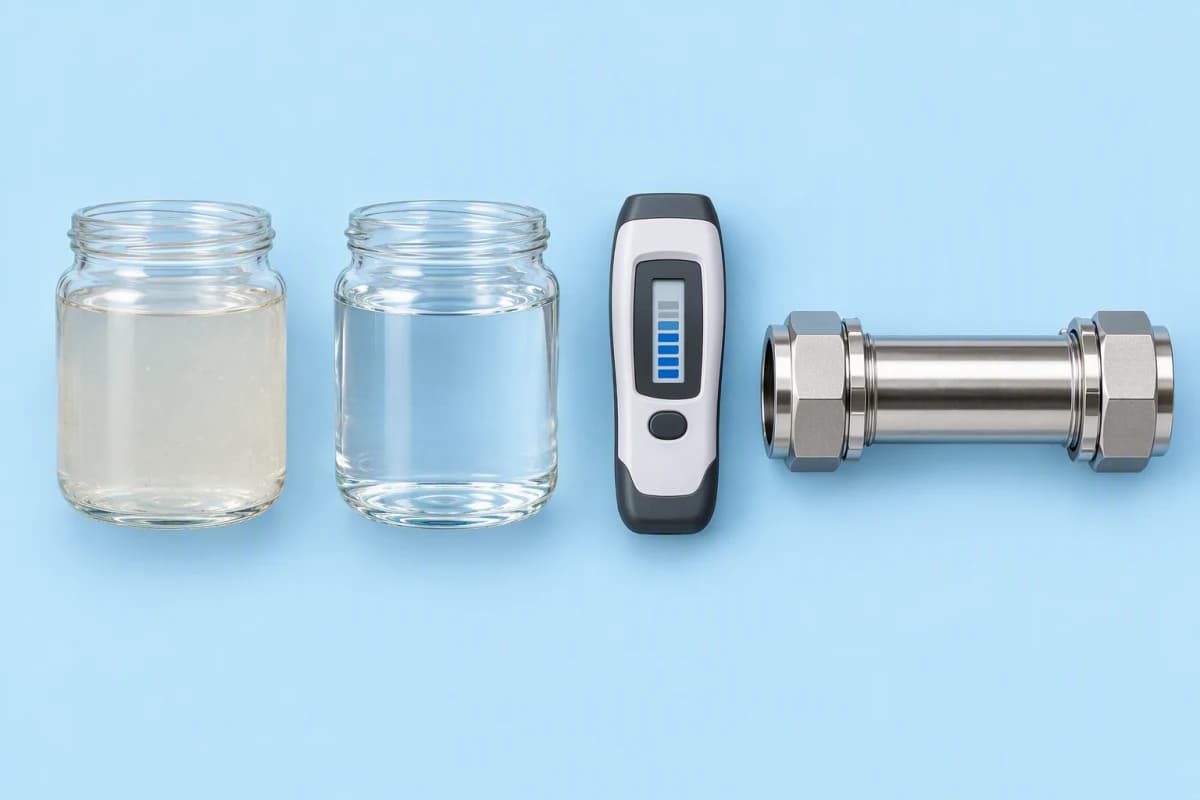
Those are reference values on the stock solution and one stated dilution. They are not a prediction of what your loop will measure. Conductivity in service depends on the dilution water, the materials the fluid contacts, the initial cleanliness of the circuit and everything that leaches or dissolves over time. The practical instruction is to specify the conductivity target for the installed fluid at operating concentration, then measure it — not to compare flavour-of-the-month numbers between suppliers.

The material list is longer than the cold plate
The data-centre models are listed separately from the general-purpose grades, and the differences are instructive:
| Model | Temperature range | Adaptive metals listed |
|---|---|---|
| LM-415L | 0 to +80°C | Stainless steel, carbon steel, copper, aluminium |
| LM-420 | −3 to +80°C | Stainless steel, carbon steel, copper |
Two models, both annotated "used in data centers", with different temperature windows and different metal lists. Neither list mentions seals, hoses, quick-disconnects, brazed joints, pump materials, sensors or the printed-circuit assemblies that a leak would reach. Those belong in your review, not in the product data.
This is the check that most often changes a decision. A coolant can be technically correct and still be wrong for a circuit whose elastomers or brazing it was never assessed against. Ask for compatibility information covering the actual wetted materials, and treat "stainless steel" as a starting point rather than a complete description of a rack.
Dilution, monitoring and change intervals
Both low-conductivity grades carry usage instructions that are part of the specification rather than optional practice. LM-4D is specified for dilution with ultrapure water and LM-4D-YE with pure water, to the concentration appropriate to the process temperature. Both state that mixing with other secondary refrigerants is prohibited, and both require the system to be cleaned before filling.
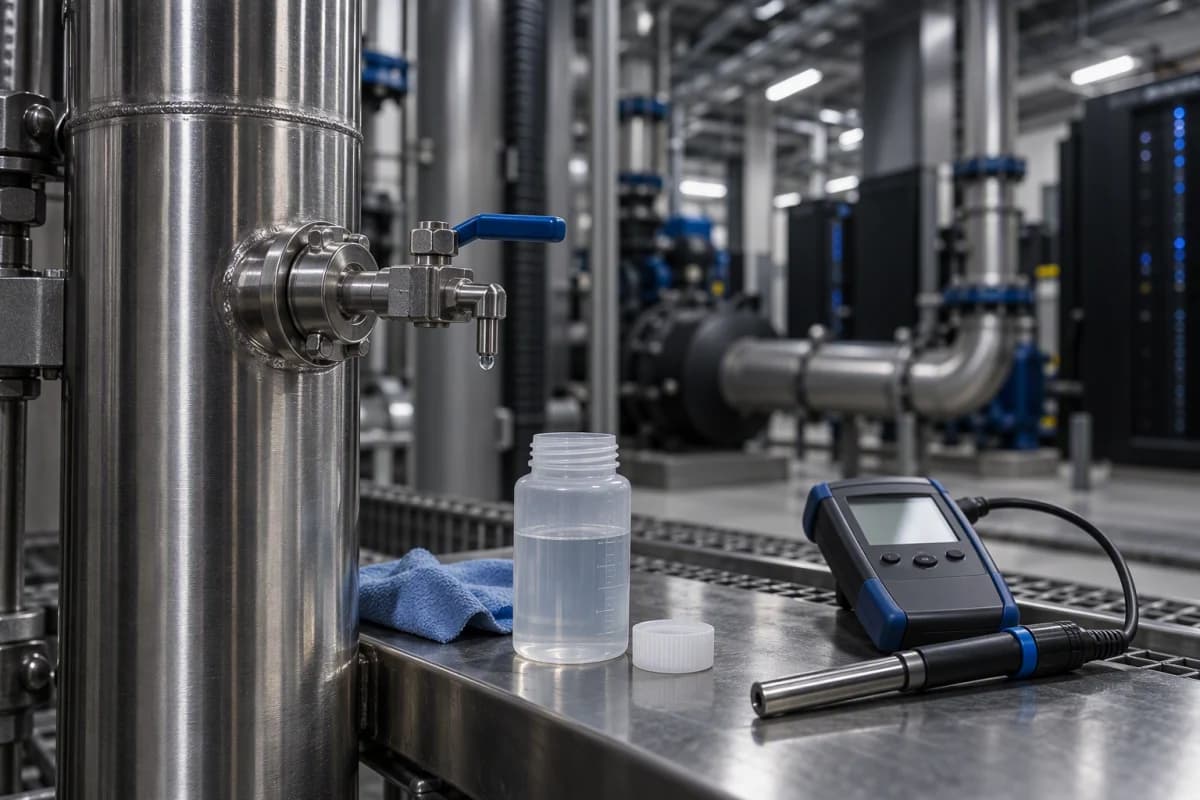
Monitoring follows from that. A three-month interval applies to testing conductivity and pH on LM-4D, with contact to the supplier if conductivity rises above the specified value or pH falls below it. LM-4D-YE carries a three-month pH check with the same escalation.
Two things are worth saying plainly about those intervals. A three-month reference interval is a stated interval, not a guarantee that the fluid will hold specification for that long in your loop — cleanliness at commissioning and the loop's materials drive the real rate of change. And monitoring is only meaningful if you have target ranges to compare against, agreed before the fluid goes in.
What belongs in the specification
A workable cold-plate fluid specification, in the order it usually gets resolved:
- The architecture and the model, not the family — a data-centre grade, at the stated concentration.
- Operating temperature window, cold start included.
- Conductivity target at operating concentration, with the dilution water quality that achieves it.
- The complete wetted-material list, with compatibility evidence for each.
- Monitoring plan — what is measured, at what interval, against what limits, and who acts on a result.
- Equipment-vendor position in writing, since approval and warranty conditions sit with the hardware supplier rather than the fluid supplier.
- Regulatory position of the chemistry, which for fluorinated routes is now an active question in its own right — see the PFAS restriction summary.
What an equipment approval actually requires
No specific fluid, concentration or change interval can be recommended for your loop, and no Glacier product carries a server or cold-plate manufacturer's approval. Equipment approvals are held by hardware vendors; product data describes chemistry and reference properties, not system approval.
It also does not settle the architecture question. If you are still comparing a cold-plate loop against immersion, indirect liquid cooling versus immersion covers how the architecture decides which fluid requirements apply — and why a fluid that performs well in an indirect loop must never be assumed suitable for direct contact with electronics.
QUICK CLARIFICATIONS
Common questions.
Is a low-conductivity coolant automatically an immersion coolant?
No. Conductivity is one property among several. Immersion requires a defined dielectric performance, compatibility with every exposed assembly, and equipment approval. LM-17 is described separately for server immersion.
Can I compare the conductivity of a stock solution with my diluted loop fluid?
No. Conductivity changes with concentration and with what the loop introduces over time. Compare values at the same concentration and temperature, and monitor the installed fluid rather than a reference figure.
How often should a cold-plate loop be tested?
A three-month interval applies to conductivity and pH on the relevant LM-4 models. Your equipment vendor's requirements and site conditions may demand more. Agree the interval in writing before commissioning.
CHECK THE SOURCE
References & scope.
- Glacier catalogue — LM-4 series models and properties, including data-centre models (Table 4)
- Glacier catalogue — LM-4D and LM-4D-YE low-conductivity formulations
- Schneider Electric — PFAS phase-out and data centre liquid cooling
Obtain the relevant TDS, SDS and technical approval before use.
How we prepare our content