
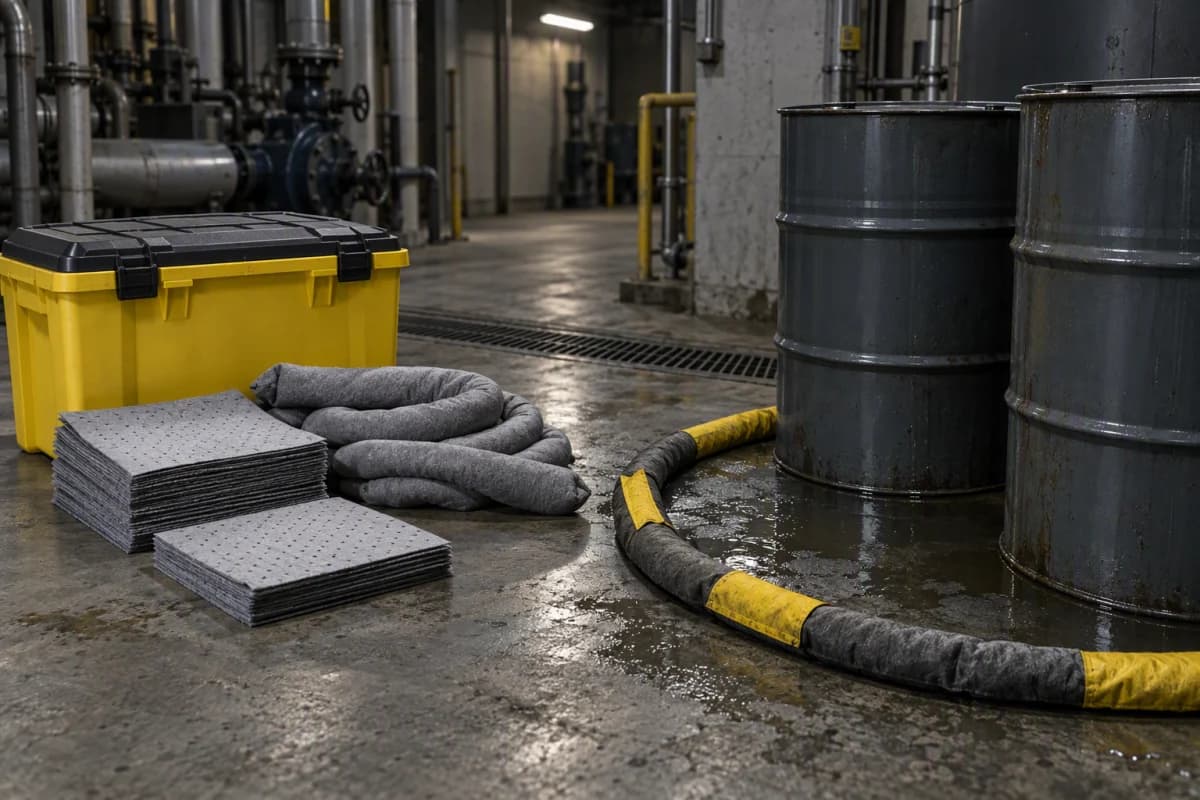
Process cooling
Spill and fire response: two coolant families, two procedures
Not every heat transfer fluid responds to a spill the same way. See why one group is diluted with water and the other needs detergent, and what to check first.
Heat transfer fluids
An anhydrous industrial fluid that the catalogue presents as a low-temperature secondary refrigerant with a wide operating range, plus a dedicated corrosion-protection formulation.
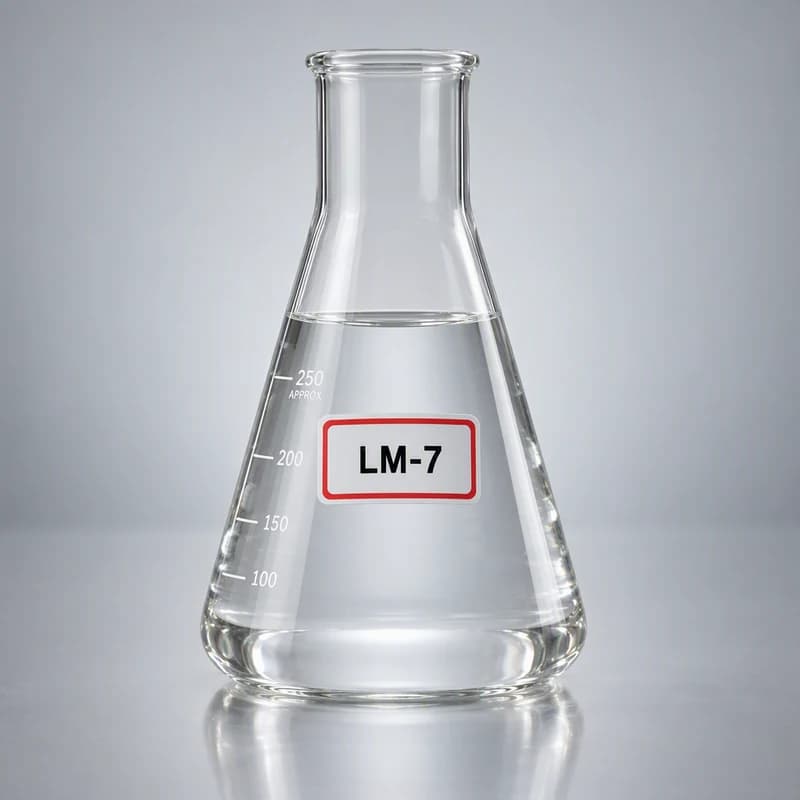
Modified alkanes
| Property | Value |
|---|---|
| Density at 20°C | 0.830–0.870 g/cm³ |
| Viscosity at 20°C | 1.10 mPa·s (cP) |
| Specific heat at 20°C | 0.407 |
| Thermal conductivity at 20°C | 0.13 W/m·K |
| Boiling point | Higher than +180°C |
| Freezing point | Lower than −80°C |
| Flash point | Higher than +57°C |
Anhydrous formulation. The catalogue calls for a dry, nitrogen-closed system.
Reference values from the Chaoyang Guangda LM catalogue — typical figures rather than guaranteed limits. Confirm the exact model and concentration on the current model TDS before specifying.
View source: catalogue p.20 (PDF p.24)Classified as a hazardous chemical. The catalogue calls for a dry, nitrogen-closed system. Add directly; do not mix with other secondary refrigerants.
Not every heat transfer fluid responds to a spill the same way. See why one group is diluted with water and the other needs detergent, and what to check first.
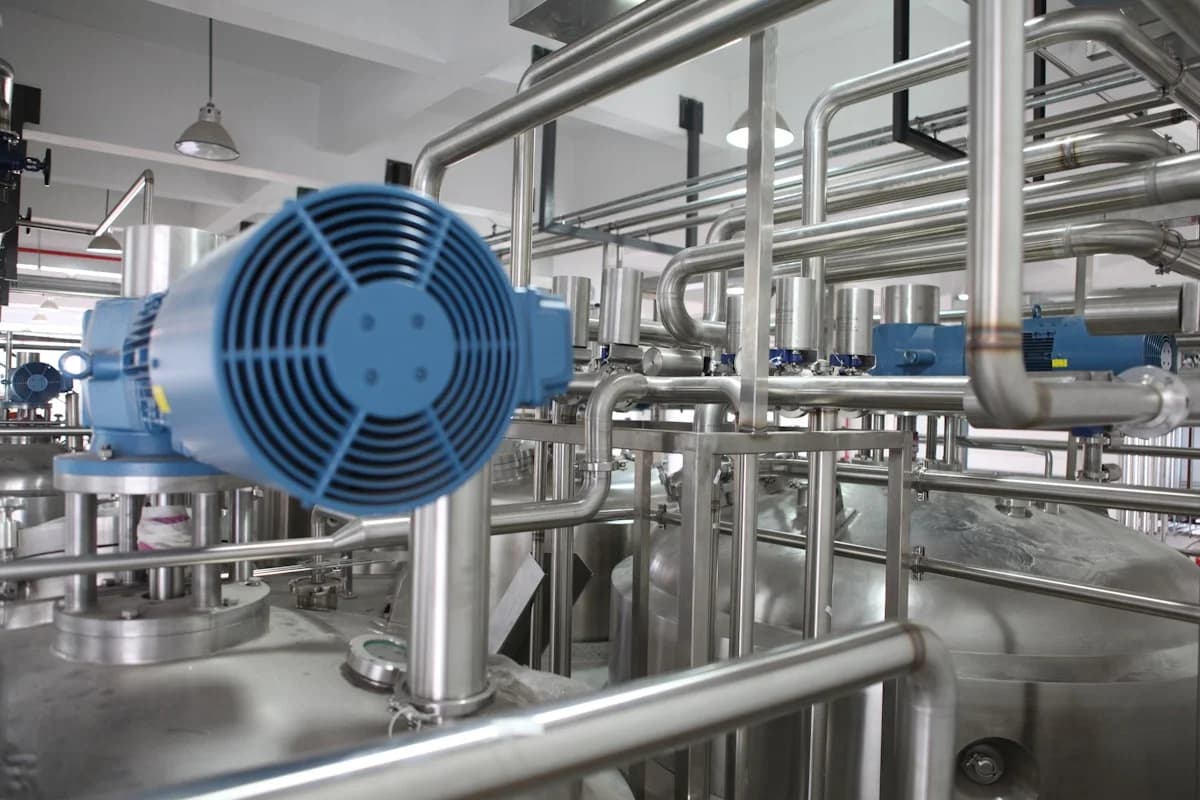
Anhydrous coolant families need a dry, closed loop, nitrogen protection and no mixing. What those three instructions mean — and what they do not specify.
CONTINUE EXPLORING
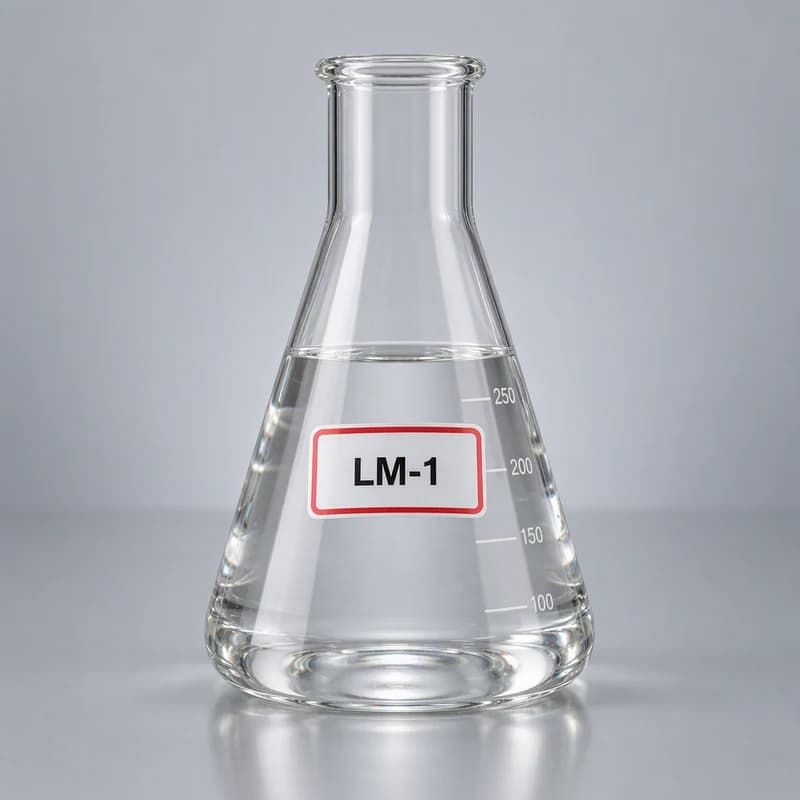
Low-temperature, alcohol-based coolant
Low-temperature coolant for mixed-metal systems
Application-specific alcohol coolants