
PROJECT RECORD
Corrosion-related failures eliminated after conversion to a 35% LM-4 charge
Ethylene glycol and brine systems that thinned pipe walls and leaked heat exchangers between 2013 and 2018 were converted to a 35% LM-4 charge, after which the manufacturer reports corrosion-related failures eliminated and refrigeration performance stabilised.
The plant's refrigeration duty was spread across mixed ethylene glycol and brine systems. The manufacturer reports that between 2013 and 2018 these suffered progressive pipe wall thinning and repeated heat exchanger leaks — the pattern that follows when the corrosion inhibitor in a secondary loop is consumed faster than it is replenished, and the corrosion products then travel with the circulating fluid.
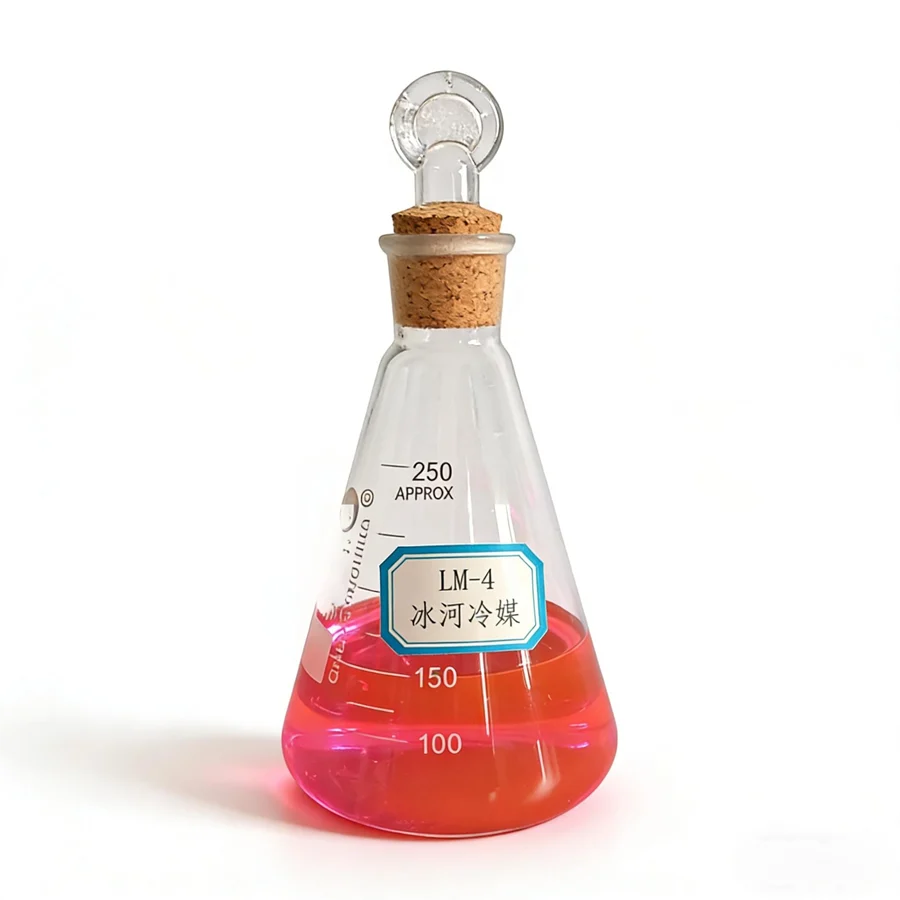
The site upgraded to a 35% LM-4 charge. The manufacturer states that corrosion-related failures were then eliminated and refrigeration unit performance stabilised.
The concentration is the detail worth reading twice. In a secondary loop the inhibitor dose is set by the water chemistry and the metals present. A charge specified at 35% is a different duty from the 20–30% typical of a plain propylene glycol fill, and topping such a loop up with water alone dilutes the inhibitor rather than the freeze protection. The catalogue describes the LM-4 family as a water-dilutable inhibited secondary coolant; confirm the concentration for your own loop against the current technical data sheet.
RELATED PRODUCT FAMILIES
Related family — not confirmed for this project.
The published source for this project does not name the fluid supplied. The families below are described in the same catalogue application; confirm the exact model with our technical team.
SOURCE
Each organisation was already named by the manufacturer in its own published material, which is cited below. This project description is adapted from 2026-07 content on the manufacturer’s website: Glacier Thermal — LM-4 pharmaceutical cold chain case study, additional success stories .
Important: Concentrations are application-specific. Confirm the current model, concentration and documentation before specification.