
PROJECT RECORD
Brine and steam replaced by a single fluid across a −20 °C to 120 °C process
A high-low temperature switching system that ran brine for cooling and steam for heating was converted to LM-4 as a single medium, removing the corrosion and cross-contamination the two-medium arrangement caused.
Zhejiang Chengda Pharmaceutical operated a high-low temperature switching system covering −20 °C to 120 °C. Cooling was supplied by brine and heating by steam. The manufacturer reports that the two-medium arrangement caused severe corrosion, cross-contamination and high operating costs.
The system was converted to LM-4 Glacier Coolant as a single medium serving both the cooling and the heating duty. The manufacturer lists the results as elimination of corrosion-related equipment failures, improved process stability through automated control, lower overall energy consumption, and one fluid spanning both ends of the temperature range. No system volume, tonnage or date is stated.
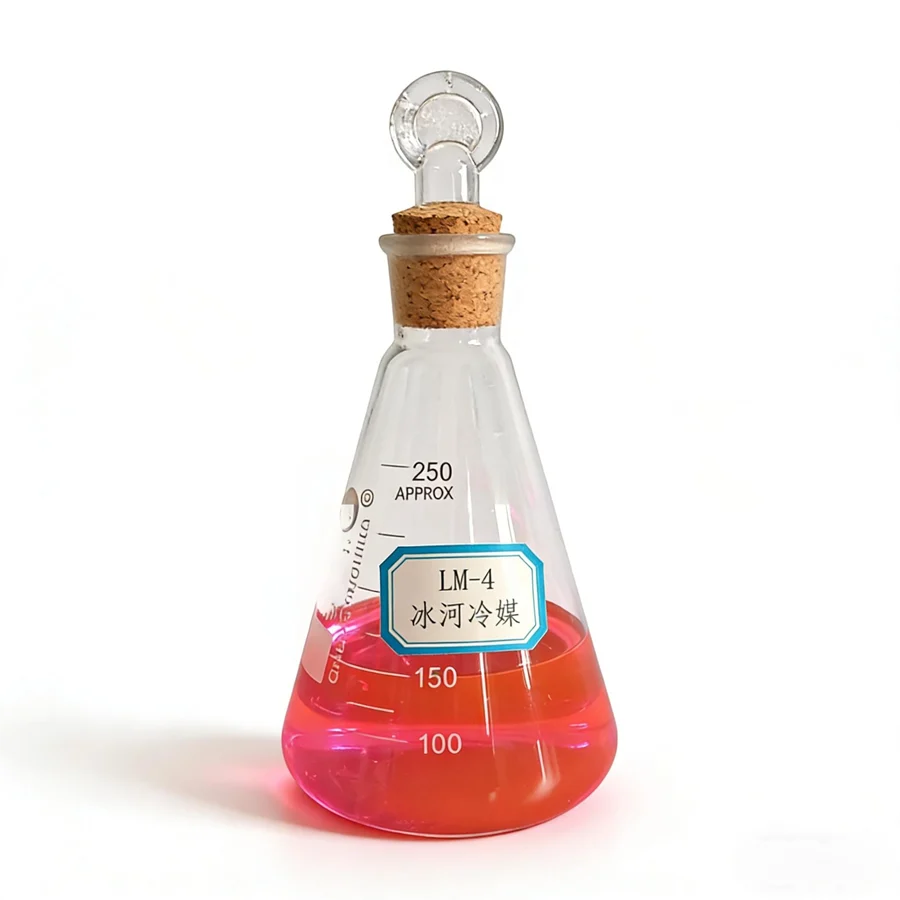
Running one fluid across the whole working range removes the changeover that a brine-plus-steam arrangement needs, and with it the carry-over between two chemically different circuits. It also means the wetted materials answer to one fluid rather than two. The catalogue describes the LM-4 family as covering industrial cooling and heating with model-specific options, including sub-models for elevated temperatures; the manufacturer's material names the family only.
RELATED PRODUCT FAMILIES
Related family — not confirmed for this project.
The published source for this project does not name the fluid supplied. The families below are described in the same catalogue application; confirm the exact model with our technical team.
SOURCE
Each organisation was already named by the manufacturer in its own published material, which is cited below. This project description is adapted from 2026-07 content on the manufacturer’s website: Glacier Coolant original website — news archive, pharmaceutical secondary refrigerant case studies .
Important: Confirm the current model, TDS, SDS and application documentation before specification.