
Diols
Alcohols carrying two hydroxyl groups. Propylene glycol (MPG) is the best-known member of this family.
THE LM PORTFOLIO
Start with your application. Refine by your requirements.
Then build the right specification with our technical team.
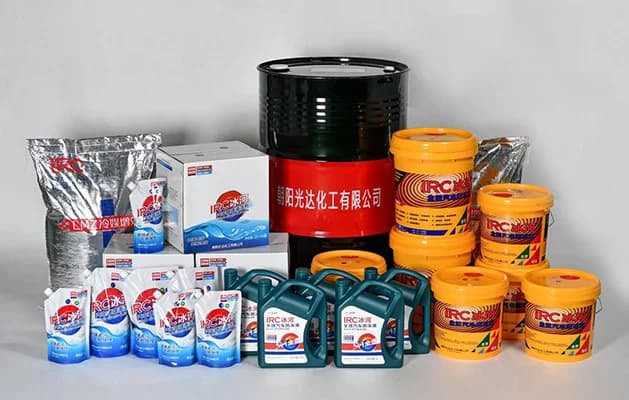
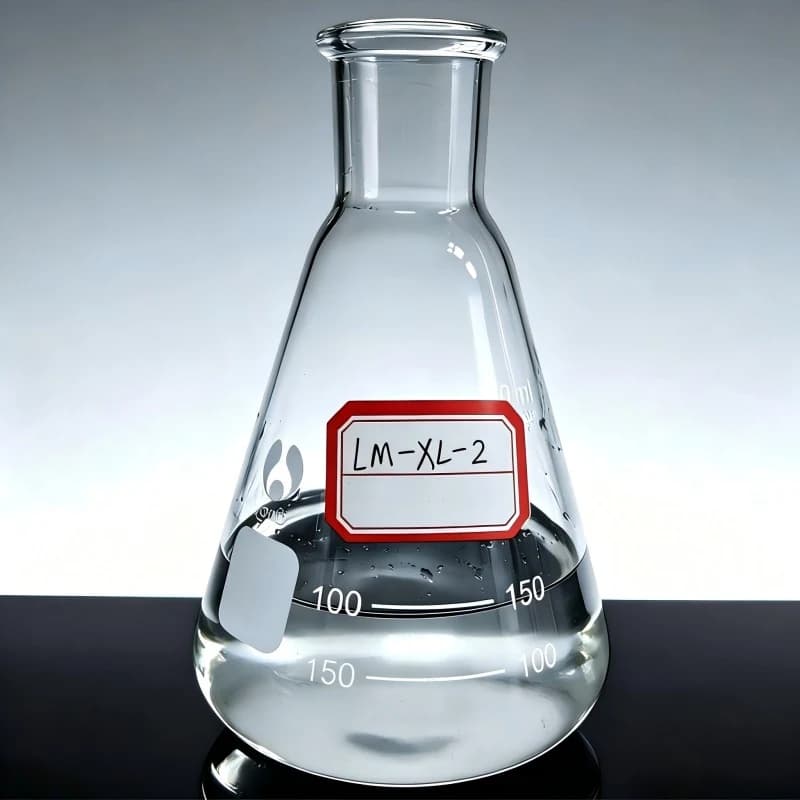
Phase-change materials for cold storage
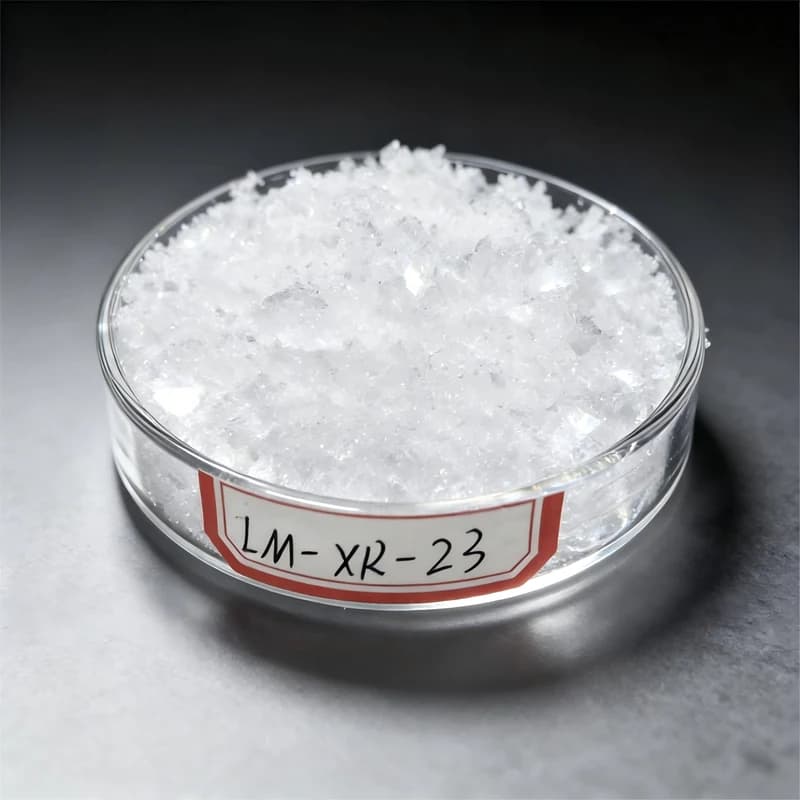
Phase-change materials for heat storage
Reference values from the Chaoyang Guangda LM catalogue — typical figures rather than guaranteed limits. Confirm the exact model and concentration on the current model TDS before specifying.
CHEMISTRY IN PLAIN TERMS
If you are comparing against what already runs in your plant, these are the families to look for.
Alcohols carrying two hydroxyl groups. Propylene glycol (MPG) is the best-known member of this family.
Three-component alcohol blends; glycerol is a common base.
Formate, acetate and similar organic salts — the “brine” type of secondary refrigerant.
Salt-based fluids, normally supplied with an inhibitor package for metal protection.
Hydrocarbon fluids for dry, non-aqueous loops and higher-temperature duties.
Silicone-based fluids, chosen for temperature stability.
Fluorinated fluids for electrical and extreme-temperature applications.
A \u201cmodified diol\u201d is a formulated product rather than pure MPG: exact composition, concentration and inhibitor package are confirmed on the TDS for the model you specify.
PORTFOLIO REFERENCE
Operating temperature, corrosivity, toxicity, flammability and flash point across the three conventional secondary coolants and the LM models covered by the manufacturer’s product summary.
| Product | Operating temperature (°C) | Corrosivity | Toxicity | Flammability | Flash point (°C) |
|---|---|---|---|---|---|
| Brine | −40 to +90 | Yes | Low | None | N/A |
| Glycol | −30 to +140 | Yes | Low | Yes | 111 |
| Alcohol | −80 to +40 | Yes | Low | Yes | 12 |
| LM-1 | −100 to +40 | No | Low | Yes | 20 |
| LM-2 | −80 to +40 | No | Low | Yes | 20 |
| LM-3 | −80 to +40 | No | None | Yes | 20 |
| LM-4 | −35 to +150 | No | Low | Yes | 120 |
| LM-4A (food) | −30 to +100 | No | None | Yes | 100 |
| LM-8 | −50 to +100 | No | Low | None | N/A |
| LM-8A | −40 to +90 | No | Low | None | N/A |
| LM-11 | −75 to +150 | No | Low | Yes | 64 |
| LM-11D | −35 to +180 | No | Low | Yes | 94 |
| LM-12 (cold storage) | −25 to 0 | No | Low | None | N/A |
| LM-13 (cold storage) | −30 | No | Low | None | N/A |
From the manufacturer’s product summary, August 2021. Three models carry a different range in the current catalogue: LM-11 is −100 to +100 °C, LM-4A is −20 to +100 °C and LM-8A is −40 to +100 °C, against −75 to +150, −30 to +100 and −40 to +90 in this summary. Flammability records that document’s own category, which tracks whether it lists a flash point for the family. The GB 30000.7-2013 classification for LM-4 records “not a flammable liquid” at 55 % and 75 % concentration, and those reports are on the test reports page. The 2021 summary also lists LM-2, LM-12 and LM-13; the current catalogue covers the models in the finder above.